
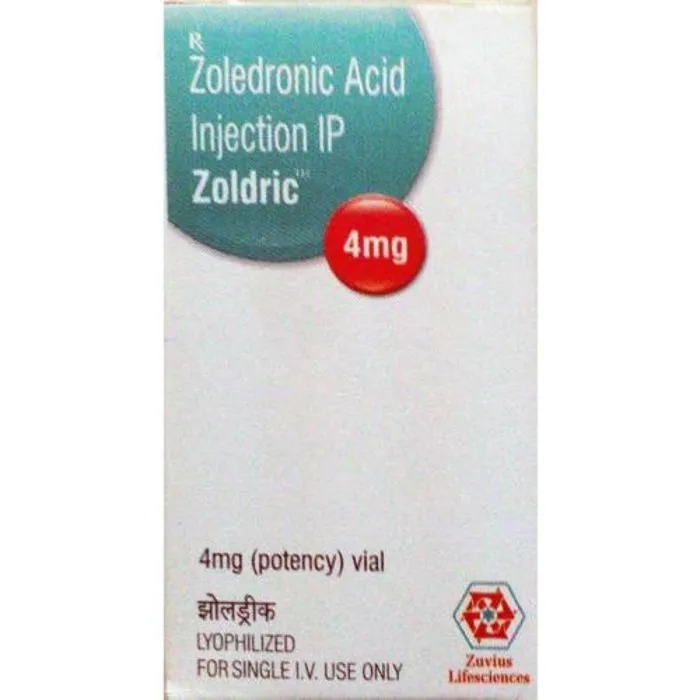
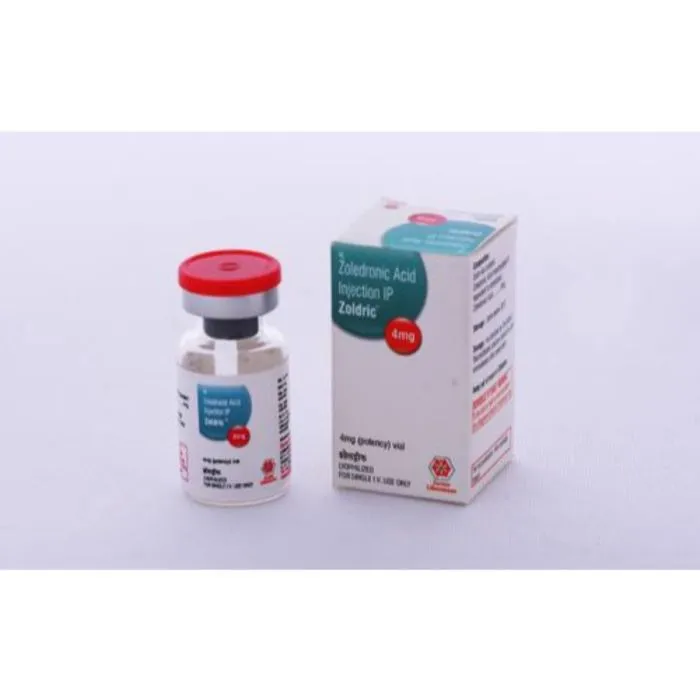
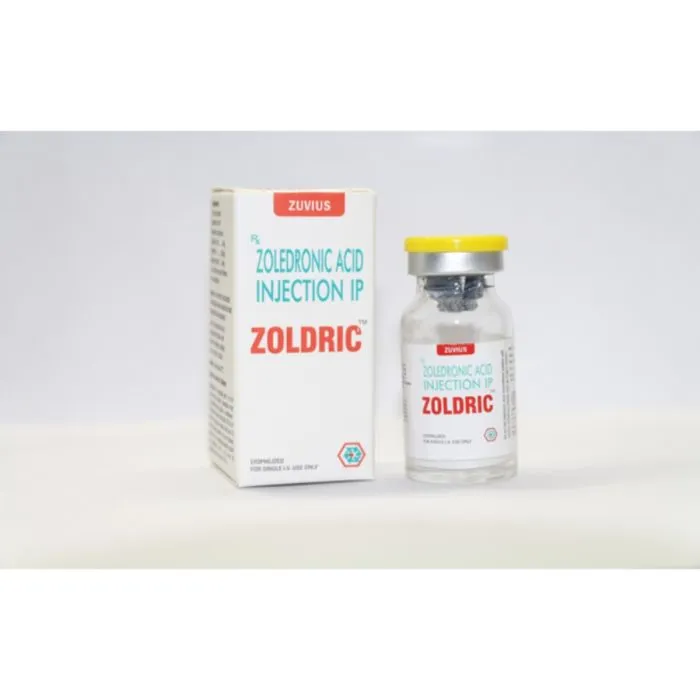
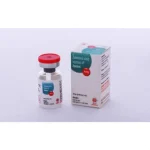
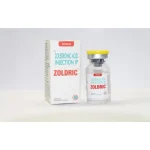
Zoldric 4 Mg Injection (Zoledronic Acid)
Required
About Zoldric 4 Mg Injection (Zoledronic Acid)
Medicine information
- Active ingredient
- Zoledronic acid
- Indication
- Treatment of hypercalcemia of malignancy; treatment of patients with multiple myeloma and documented bone metastases from solid tumors in conjunction with standard antineoplastic therapy.
- Strength
- 4 mg
- Dosage form
- Injection
- Route
- Intravenous infusion
Medicine overview
Zoldric 4 mg Injection contains zoledronic acid, a medicine from the bisphosphonate class. Bisphosphonates reduce the breakdown of bone by osteoclasts, the cells responsible for bone resorption. The 4 mg intravenous formulation of zoledronic acid is used for cancer-related high blood calcium and for patients with multiple myeloma or bone metastases from solid tumors. Zoldric is administered by intravenous infusion under healthcare supervision rather than being self-injected. The exact manufacturer and presentation cannot be confirmed from the product name alone because current manufacturer sources list more than one Zoldric 4 mg product.
What it is used for
Zoledronic acid 4 mg intravenous formulations are used to treat hypercalcemia of malignancy, where cancer causes an abnormally high calcium level in the blood. They are also used alongside standard anticancer treatment in patients with multiple myeloma and documented bone metastases from solid tumors. For prostate cancer with bone metastases, the prescribing information specifies disease that has progressed after at least one hormonal therapy.
How it works
Zoledronic acid is a bisphosphonate with a strong affinity for mineralized bone. It mainly inhibits osteoclasts, the cells that break down bone tissue. Reducing osteoclast activity slows excessive bone resorption. This action can lower calcium released from bone in hypercalcemia of malignancy and helps reduce skeletal complications associated with multiple myeloma and cancers that have spread to bone.
How it is taken
Zoledronic acid 4 mg is administered by intravenous infusion by a healthcare professional. For the oncology 4 mg formulation, prescribing information states that an individual dose must be infused over no less than 15 minutes. Kidney function should be assessed before treatment, and some patients with impaired renal function require a reduced dose. Patients with hypercalcemia of malignancy should be adequately hydrated before administration. The product must not be mixed with calcium-containing or other divalent-cation-containing infusion solutions.
Important warnings
Do not use zoledronic acid in patients with hypersensitivity to zoledronic acid or formulation components. Kidney injury, including renal failure and dialysis, has occurred; renal function should be assessed before treatment, and dehydration and other kidney-toxic medicines can increase risk. Correct hypocalcemia before treatment and monitor calcium, phosphate, magnesium, and renal function as clinically appropriate. Osteonecrosis of the jaw has been reported, particularly in cancer patients; a dental examination and preventive dental care are recommended before treatment, and invasive dental procedures should generally be avoided during therapy when possible. Severe bone, joint, or muscle pain and atypical femoral fractures have been reported. Patients should promptly report new thigh or groin pain. Do not use another zoledronic-acid product or another bisphosphonate concurrently unless specifically directed by the treating clinician. Aminoglycosides, calcitonin, loop diuretics, and nephrotoxic medicines require particular caution because of risks including hypocalcemia or renal toxicity.
Side effects and monitoring
Common adverse effects reported with oncology zoledronic acid include nausea, fatigue, anemia, bone pain, constipation, fever, vomiting, and shortness of breath. An acute-phase reaction can occur after infusion, causing fever, chills, fatigue, muscle or joint pain, and flu-like symptoms. Serious or less common problems include kidney deterioration or renal failure, severe hypocalcemia, osteonecrosis of the jaw, severe musculoskeletal pain, atypical femoral fracture, eye inflammation, and severe hypersensitivity reactions including anaphylaxis. Seek prompt medical attention for difficulty breathing, facial or throat swelling, seizures or severe muscle spasms, markedly reduced urination, persistent jaw pain or poor healing in the mouth, significant eye pain or redness, or unexplained thigh or groin pain. Serum creatinine should be assessed before treatment, with calcium and other electrolytes monitored as clinically appropriate.
Pregnancy
Zoledronic acid can cause fetal harm based on its mechanism of action and animal data. Pregnancy status should be checked before treatment in females of reproductive potential. Patients who are pregnant should be informed of the potential fetal risk, and effective contraception is advised during and after treatment because bisphosphonates can remain incorporated in bone for prolonged periods.
Breastfeeding
Breastfeeding is not advised during and after zoledronic acid treatment. It is not known whether zoledronic acid is present in human milk, but the medicine remains bound to bone for a prolonged period and may be released over time.
Food and drink
Food does not affect administration because this medicine is given intravenously. Patients with hypercalcemia of malignancy should be adequately hydrated before treatment, while excessive hydration should be avoided in patients at risk of fluid overload, such as those with heart failure.
Frequently asked questions
Will I feel unwell after a zoledronic acid infusion?
Some people develop a temporary acute-phase reaction after an infusion, with fever, chills, fatigue, muscle or joint pain, or flu-like symptoms. These reactions commonly begin within the first few days and usually improve with time.
Why does my kidney function need to be checked before Zoldric?
Zoledronic acid is eliminated mainly through the kidneys and can cause deterioration in kidney function. Serum creatinine should therefore be assessed before treatment, and kidney impairment may require a different dose or make treatment unsuitable.
Do I need a dental check before receiving zoledronic acid?
A dental examination and preventive dental care are recommended before treatment, particularly for cancer patients, because intravenous bisphosphonates can rarely cause osteonecrosis of the jaw. Tell the treating team about planned extractions, implants, poorly fitting dentures, or ongoing dental problems.
Why are calcium levels checked with zoledronic acid?
Zoledronic acid can lower blood calcium, sometimes severely. Existing hypocalcemia should be corrected before treatment, and calcium and other relevant electrolytes may need monitoring during therapy.
How long should a zoledronic acid infusion take?
The oncology 4 mg formulation should be given by intravenous infusion over no less than 15 minutes. Faster administration can increase the risk of kidney toxicity.
Can I inject Zoldric 4 mg myself at home?
No. Zoledronic acid intravenous treatment should be prepared and administered by a healthcare professional, with appropriate assessment and monitoring.
Can Cheap Generic Med ship Zoldric to the United States?
Cheap Generic Med serves the United States under its international shipping model. Delivery is typically estimated at 10–14 business days after dispatch, but customs or carrier delays can extend transit. Prescription and personal-import requirements may apply.
Will my Cheap Generic Med order have tracking?
Tracked international shipping is used under the standard fulfilment model. A tracking number should be provided after dispatch, although carrier systems may take 24–72 hours to begin showing movement.
Is Zoldric 4 mg a prescription medicine?
Yes. Zoledronic acid injection is a prescription medicine and is administered under healthcare supervision.
Sources
Medical information notice: This information does not replace advice from a qualified healthcare professional. Use prescription medicine only as directed by the prescriber and the approved product information.
Related products
Danogen 200 Mg (Danazol)
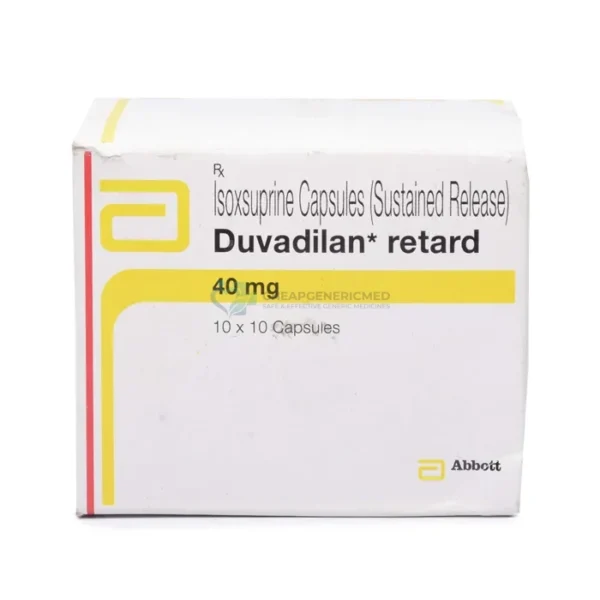
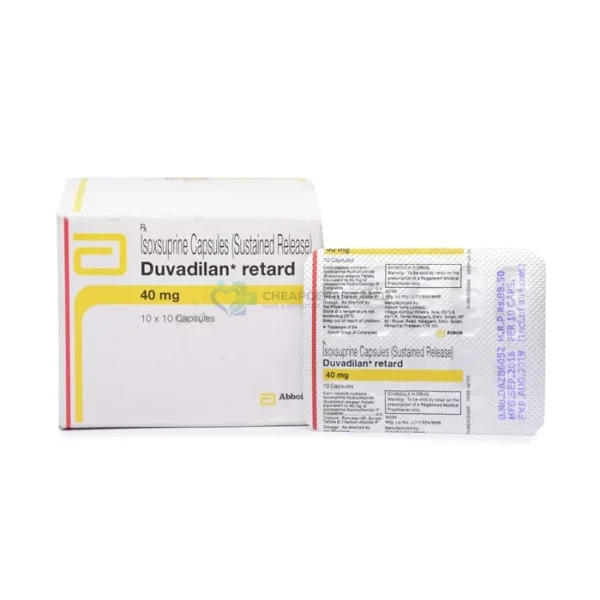
Duvadilan Retards 40 Mg (Isoxsuprine Hcl)

Folvite DHA Soft Gelatin Capsule (Folic Acid)
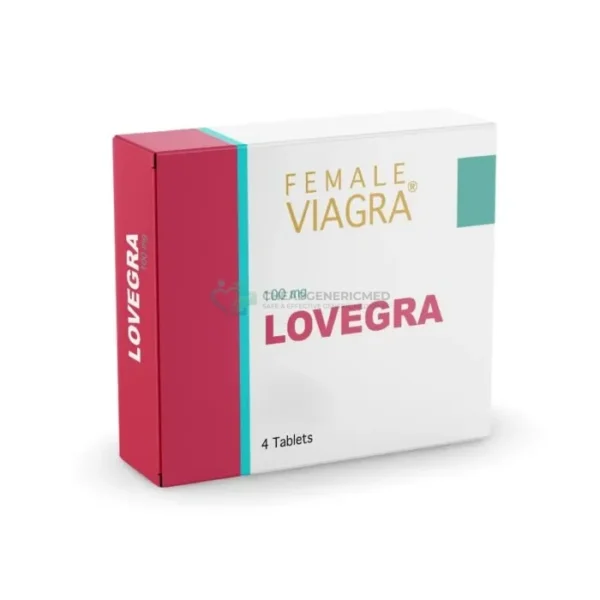
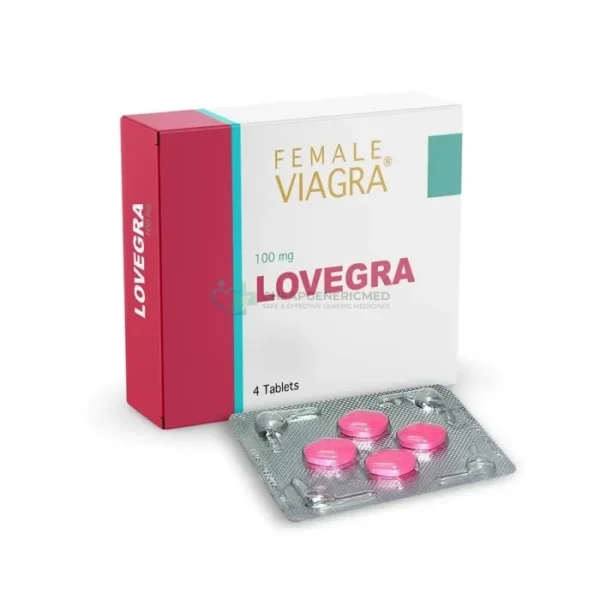
Lovegra 100 Mg (Sildenafil)
Reviews
There are no reviews yet.