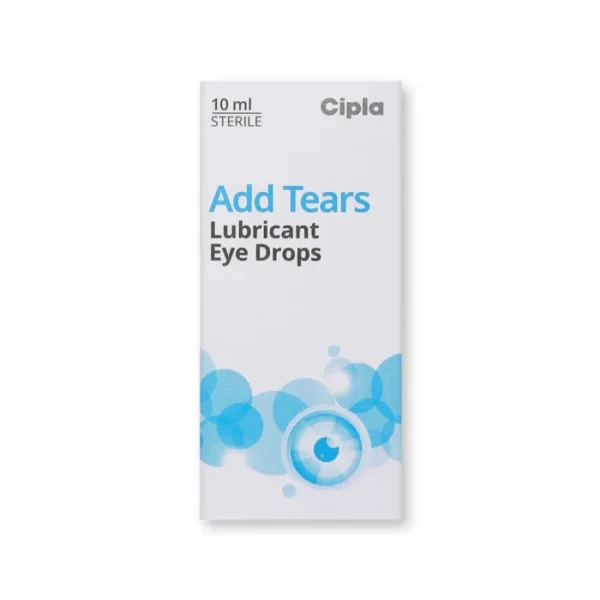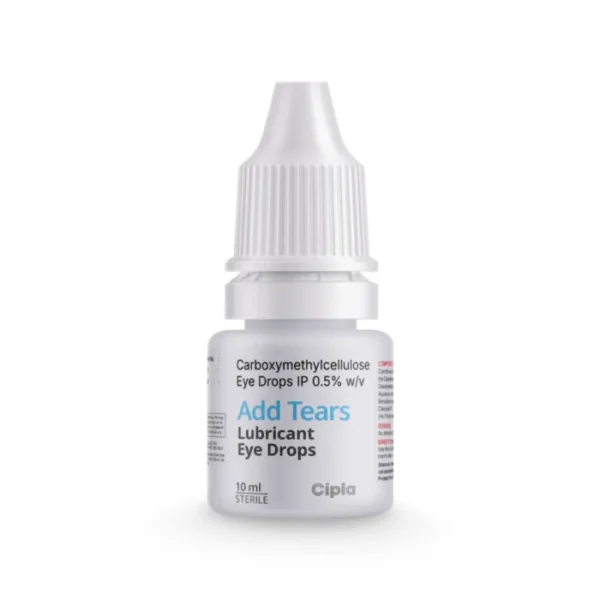
Browse our Eye Care products to compare ophthalmic medicines and other options intended for different eye-care needs. Depending on the condition and product, eye care may involve lubricating drops for dryness and irritation or prescription medicines used for conditions such as glaucoma, elevated eye pressure and certain eye infections. Review the active ingredient, strength, formulation, manufacturer, pack size and current price on each individual product page before making a selection.
Compare Eye Care Products and Eye Drops
Eye-care products are not interchangeable simply because they are supplied as drops or ophthalmic solutions. Different products contain different active ingredients and are intended for different purposes. Some are lubricants designed to supplement the tear film, while prescription ophthalmic medicines may be used to manage a diagnosed eye condition.
When comparing products listed in this category, useful details to check include:
• Active ingredient: identifies the medicine or principal therapeutic substance in the product.
• Strength: ophthalmic medicines may be available in specific concentrations, so confirm the prescribed strength rather than selecting by product name alone.
• Formulation: products may include eye drops, solutions, gels or other ophthalmic preparations.
• Brand and manufacturer: the brand name, active ingredient and pharmaceutical manufacturer are separate product details and should not be treated as the same thing.
• Pack size: compare bottle volume and the number of bottles or units included in the available pack.
• Current price: check the individual product listing for current pricing rather than relying on older price information.
Eye Care Medicines for Different Needs
The appropriate type of eye-care product depends on why it is being used. Artificial tears and other lubricating preparations are commonly associated with dry-eye relief. Other ophthalmic medicines are prescribed for specific medical conditions and require appropriate diagnosis and clinical guidance.
For example, glaucoma treatment can include medicines that lower pressure inside the eye. Active ingredients used in ophthalmic treatment can include medicines such as bimatoprost, latanoprost, brimonidine and timolol, depending on the patient’s condition and prescribed treatment. Combination ophthalmic medicines may contain more than one active ingredient.
Antimicrobial ophthalmic medicines are a separate group and should not be selected simply because symptoms include redness, discomfort or discharge. Similar eye symptoms can have different causes, making correct diagnosis particularly important when infection or another significant eye condition is suspected.
Brand, Generic and Manufacturer Information
When comparing eye-care medicines, distinguish the active ingredient from the brand name and manufacturer. Multiple products can be associated with the same active ingredient while differing in brand, manufacturer, concentration, formulation or other product characteristics.
If you have been prescribed an ophthalmic medicine, compare the product details with your prescription and healthcare professional’s instructions. Do not substitute one strength, active ingredient or combination product for another solely because the products are intended for a similar eye condition.
Ordering Eye Care Products Online
Browse our available Eye Care products to review current prices, pack options, active ingredients and other product-specific information. Prescription and online-sale requirements vary according to the medicine and jurisdiction, so check the applicable requirements before ordering.
Eye drops require particular attention to hygiene. Wash your hands before application and avoid allowing the bottle tip to touch the eye, fingers or other surfaces. Follow the storage and usage instructions supplied with the specific product. Contact-lens wearers should also check whether lenses need to be removed before using a particular ophthalmic medicine.
When to Seek Professional Eye Care
Eye symptoms should not always be managed through self-selection of drops. Seek appropriate medical attention for significant eye pain, changes in vision, persistent or worsening redness, unusual discharge, injury, or other concerning symptoms. Serious conditions such as glaucoma require professional diagnosis and treatment rather than non-prescription products marketed for general eye care.
For prescription ophthalmic medicines, follow the instructions provided by your prescriber and the product information. Individual product pages can be used to compare the available formulation, strength, manufacturer, pack size and current price after the appropriate medicine has been identified.

4Quin 5 gm (Ofloxacin)


4Quin 5 ml (Ofloxacin)

9 PM Eye Drop 2.5 ml (0.005%)
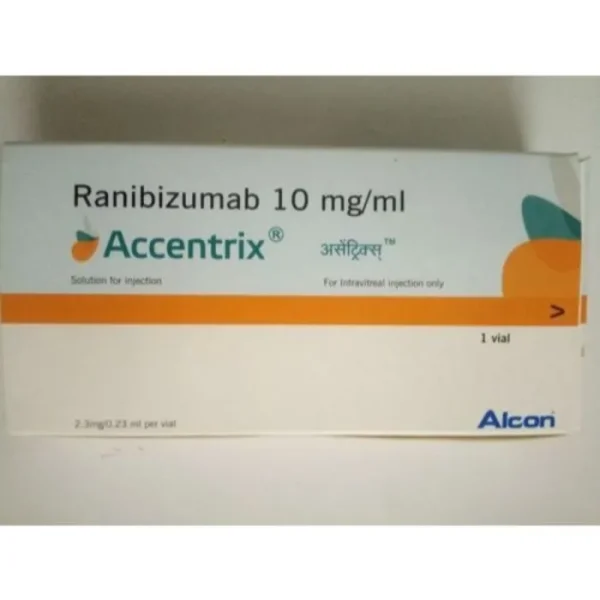
Accentrix Solution for Injection (Ranibizumab)


Actavis Bimatoprost 300 Mcg (0.03%)


Acular 0.5% 5 ml (Ketorolac)

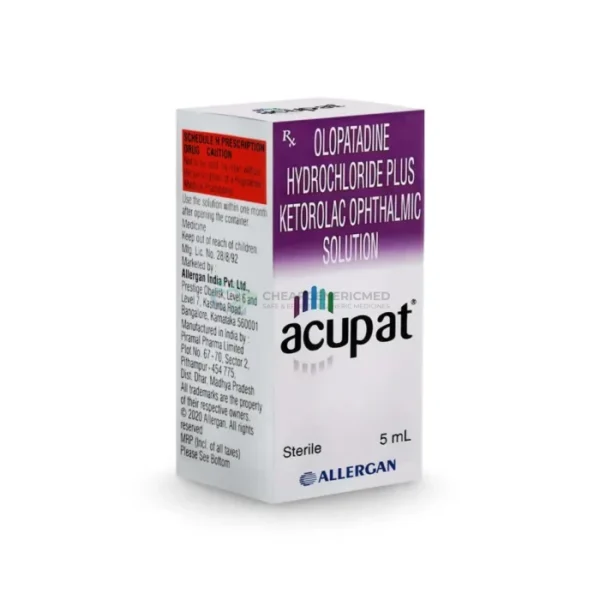
Acupat 5 ml (Olopatadine)


Acuvail Eye 15S 0.4 ml (Ketorolac)
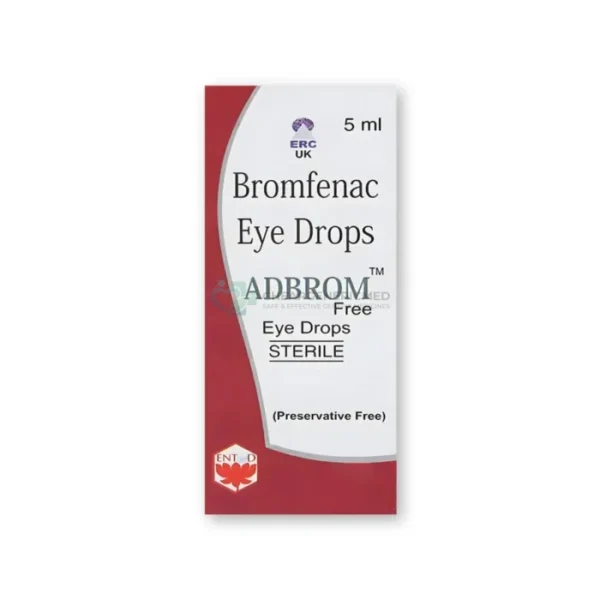
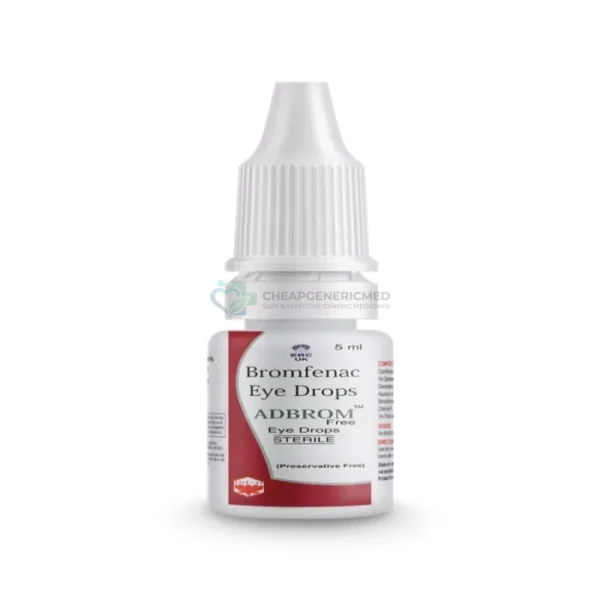
Adbrom 5 ml (Bromfenac)