
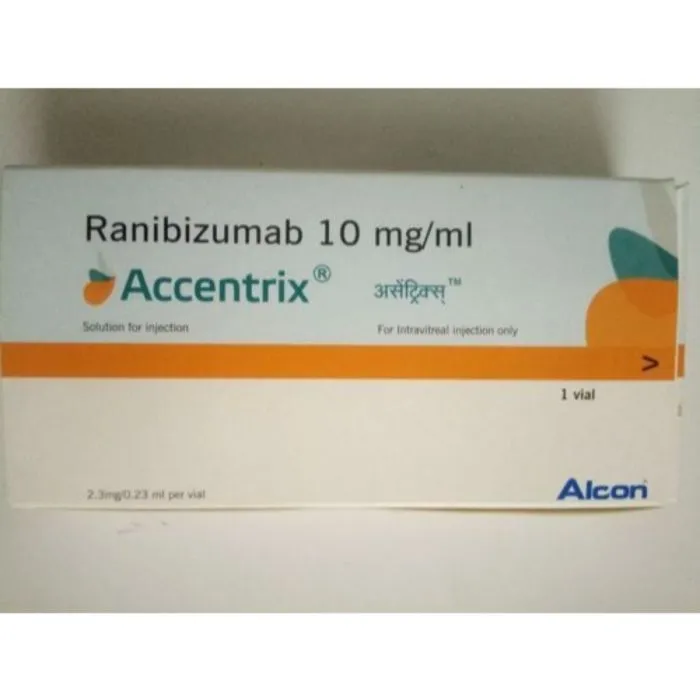
Accentrix Solution for Injection (Ranibizumab)
Price range: $1,512.00 through $4,064.33Required
| Pack Size | Price | Unit Price | Quantity | |
|---|---|---|---|---|
| 2 Injection | $1,512.00 | $756.00 / injection | ||
| 4 Injection | $2,884.22 | $721.06 / injection | ||
| 6 Injection | $4,064.33 | $677.39 / injection |
About Accentrix Solution for Injection (Ranibizumab)
Medicine information
- Active ingredient
- Ranibizumab
- Indication
- Treatment of neovascular (wet) age-related macular degeneration; visual impairment due to diabetic macular oedema; proliferative diabetic retinopathy; visual impairment due to macular oedema secondary to retinal vein occlusion; visual impairment due to choroidal neovascularization; and specified forms of retinopathy of prematurity in preterm infants.
- Manufacturer
- LEK PHARMACEUTICALS D.D.
- Packaging
- One 0.23 mL single-use glass vial containing 2.3 mg ranibizumab, supplied with one filter needle.
- Strength
- 10 mg/mL
- Dosage form
- Solution for injection
- Route
- Intravitreal
Medicine overview
Accentrix Solution for Injection contains ranibizumab 10 mg/mL, a recombinant monoclonal antibody fragment used to treat retinal diseases associated with abnormal blood-vessel growth or leakage. It belongs to the anti-VEGF, or antineovascularisation, group of medicines. Accentrix is supplied as a preservative-free solution in a single-use vial and is injected directly into the vitreous cavity of the eye by a qualified ophthalmologist. It is used for several retinal conditions in adults and for specified stages of retinopathy of prematurity.
What it is used for
Accentrix is used in adults for wet age-related macular degeneration, diabetic macular oedema causing visual impairment, proliferative diabetic retinopathy, macular oedema following retinal vein occlusion, and visual impairment caused by choroidal neovascularization. It is also indicated for certain preterm infants with retinopathy of prematurity, including specified disease stages in zone I, zone II, or aggressive posterior ROP. Treatment and follow-up depend on the diagnosed retinal condition and evidence of disease activity.
How it works
Ranibizumab binds to vascular endothelial growth factor A, usually called VEGF-A. VEGF-A promotes the growth of abnormal blood vessels and increases leakage from blood vessels in the retina. By preventing VEGF-A from activating its receptors, ranibizumab reduces abnormal vessel growth and vascular leakage. This can decrease retinal or macular swelling and helps control the changes responsible for vision impairment in conditions such as wet AMD, diabetic macular oedema and retinal vein occlusion.
How it is taken
Accentrix is for intravitreal injection only and must be administered by a qualified ophthalmologist experienced in injections into the eye. The vial is single-use and the injection is performed using strict aseptic technique after appropriate local anaesthesia and disinfection. In adults, the approved dose is 0.5 mg in 0.05 mL per injection, with at least four weeks between injections into the same eye. For approved retinopathy of prematurity treatment, the labelled dose is 0.2 mg in 0.02 mL per eye. Treatment frequency and monitoring are determined by the ophthalmologist according to disease activity.
Important warnings
Do not use Accentrix in patients with hypersensitivity to ranibizumab or an ingredient of the product, active or suspected infection in or around the eye, or active inflammation inside the eye. Intravitreal injections can cause serious complications including endophthalmitis, retinal tear or detachment, traumatic cataract and increased intraocular pressure. Eye pain, increasing redness, worsening or blurred vision, increasing floaters or unusual sensitivity to light after injection require prompt ophthalmic assessment. Intraocular pressure and optic-nerve perfusion should be monitored. Systemic arterial thromboembolic events and non-ocular bleeding have been reported with intravitreal VEGF inhibitors, so caution is advised in patients with a history of stroke or transient ischaemic attack. Ranibizumab should not be administered concurrently with another systemic or ocular anti-VEGF medicine.
Side effects and monitoring
Common or very common effects include eye pain, conjunctival bleeding, eye irritation, increased tearing, dry or itchy eyes, redness, floaters, vitreous detachment, retinal haemorrhage, visual disturbance, intraocular inflammation, increased intraocular pressure, headache, joint pain and nasopharyngitis. Other reported effects include blurred vision, cataract, retinal disorders, uveitis, corneal abrasion, nausea, cough and allergic skin reactions. Serious or less common complications include endophthalmitis, retinal tear or detachment, severe intraocular inflammation, blindness and arterial thromboembolic events such as stroke. Patients should be observed for signs of infection after injection, and intraocular pressure and the optic nerve should be monitored appropriately.
Pregnancy
Ranibizumab should not be used during pregnancy unless the expected benefit outweighs the potential risk to the fetus. Although systemic exposure after an eye injection is low, VEGF inhibition means ranibizumab is considered potentially harmful to embryonic or fetal development. Women who could become pregnant should use effective contraception during treatment, and women planning pregnancy are advised to wait at least three months after the last dose before conceiving.
Breastfeeding
Breastfeeding is not recommended during ranibizumab treatment as a precaution. Very limited evidence indicates that ranibizumab may pass into human milk at low levels, but its effect on a breastfed infant is unknown.
Storage
Store refrigerated at 2°C to 8°C. Do not freeze. Keep the vial in the outer carton to protect it from light. Do not use after the expiry date shown on the pack. Keep out of the sight and reach of children.
Frequently asked questions
Do eye injections such as ranibizumab usually hurt?
The eye is numbed before Accentrix is injected, but some discomfort, pressure or irritation can still occur. Significant or worsening pain after treatment should be reported promptly because severe pain can be a sign of an injection-related complication.
Is blurred vision or seeing floaters after a ranibizumab injection expected?
Temporary visual disturbance and floaters can occur after intravitreal ranibizumab. Contact the treating eye specialist promptly if vision becomes markedly worse, floaters suddenly increase, or symptoms are accompanied by increasing redness, pain or sensitivity to light.
How do I know if I have an infection after an Accentrix injection?
Increasing eye pain or discomfort, worsening redness, blurred or decreased vision, more floaters, or increased sensitivity to light can indicate endophthalmitis or another serious eye complication. These symptoms require prompt assessment by the treating ophthalmologist.
How many Accentrix injections will I need?
The number of injections is determined by the ophthalmologist according to the condition and signs of disease activity. In adults, the labelled interval between two injections into the same eye is at least four weeks, and repeated treatment may be needed.
Can I drive after an Accentrix injection?
Do not drive or operate machinery while temporary visual disturbances are present. Resume these activities only after your vision has returned to a level that makes them safe.
Can Accentrix be given together with another anti-VEGF medicine?
Ranibizumab should not be administered concurrently with another systemic or ocular anti-VEGF medicine. The treating ophthalmologist should review all current eye and systemic treatments before administration.
Does Accentrix need to stay refrigerated?
Yes. The vial should be stored at 2°C to 8°C, must not be frozen, and should remain in its outer carton to protect it from light.
Can Cheap Generic Med ship Accentrix internationally?
NOT VERIFIED
Sources
Medical information notice: This information does not replace advice from a qualified healthcare professional. Use prescription medicine only as directed by the prescriber and the approved product information.
| Active Ingredients | Ranibizumab (10Mg/ml) |
|---|---|
| Manufacturer | Novartis India Ltd |
| Packaging | Qty |
| strength | 10mg |
| Delivery Time | 6 To 15 days |
Related products

Albucid Eye Drop 20% 10 ml (Sulfacetamide)


Eyemist E/D 10 ml (Hydroxypropyl Methylcellulose)

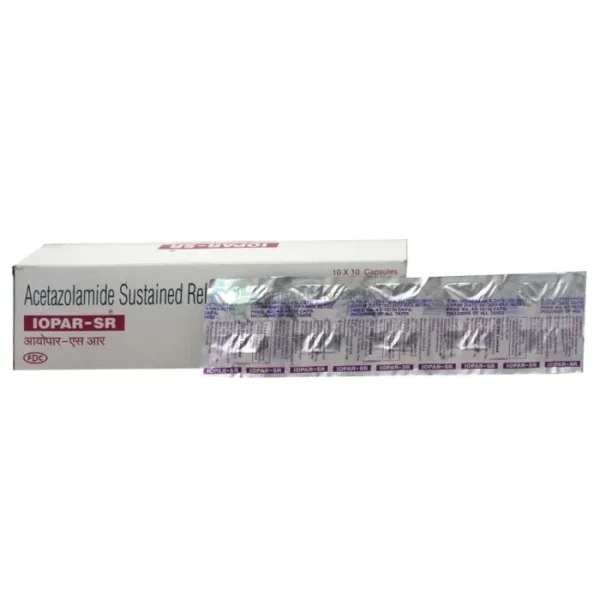
Iopar SR 250 Mg (Acetazolamide)


Lotepred Eye Drop of 5 ml (Loteprednol)
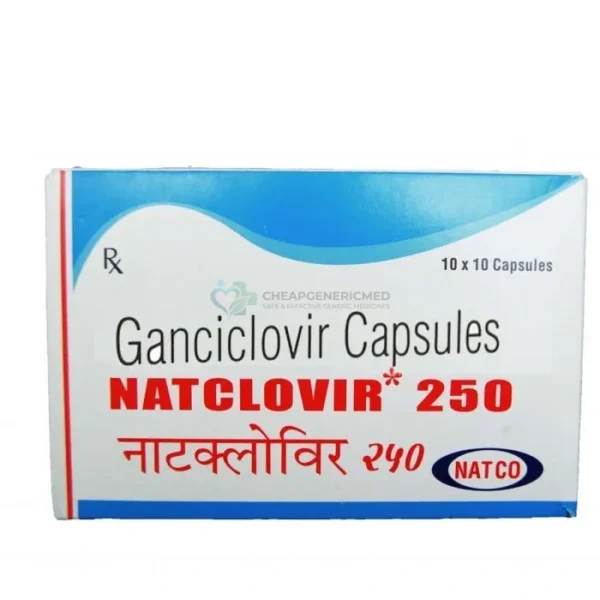
Natclovir 250 Mg (Of Natclovir)
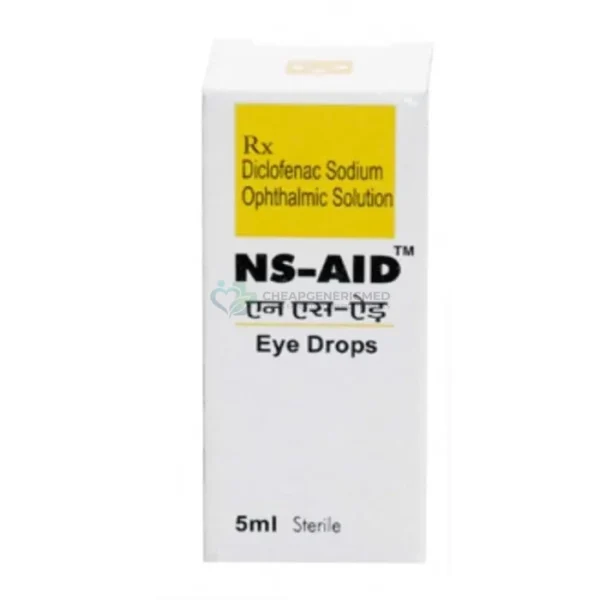
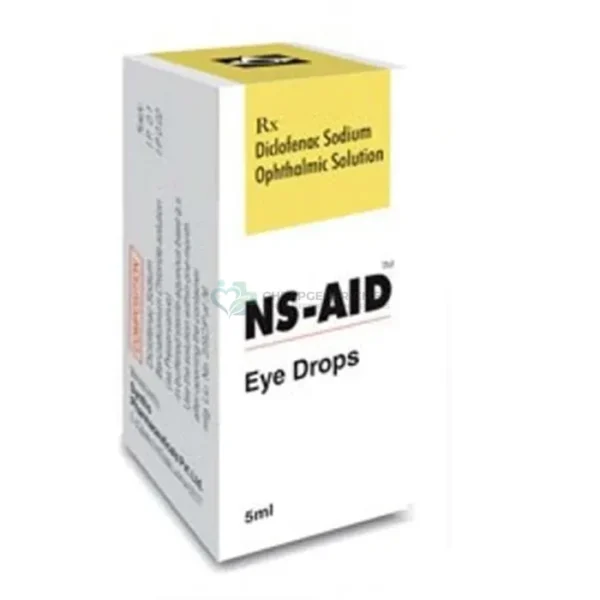
Ns Aid 5 ml Eye Drop (Diclofenac Sodium)
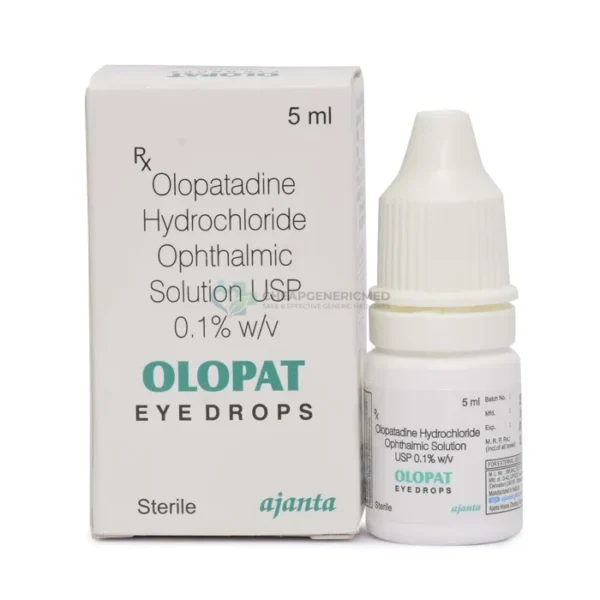

Olopat 0.1% (5 ml)

Reviews
There are no reviews yet.