
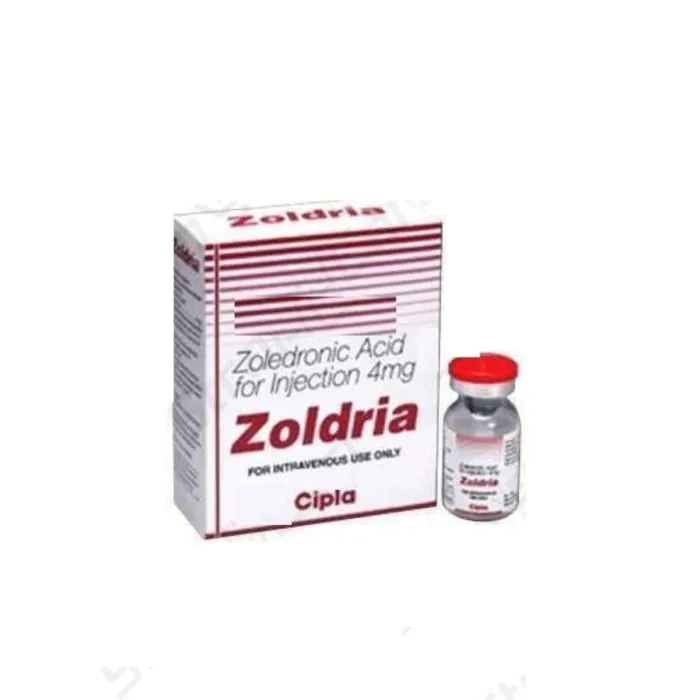
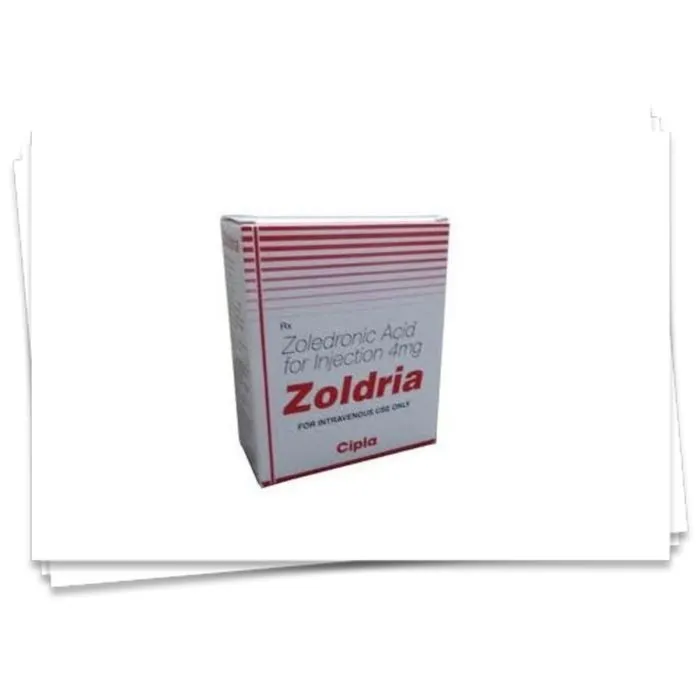
Zoldria 4 Mg Injection (Zoledronic Acid)
Price range: $97.50 through $224.40Required
| Pack Size | Price | Unit Price | Quantity | |
|---|---|---|---|---|
| 3 Injection | $97.50 | $32.50 / injection | ||
| 6 Injection | $161.76 | $26.96 / injection | ||
| 9 Injection | $224.40 | $24.93 / injection |
About Zoldria 4 Mg Injection (Zoledronic Acid)
Medicine information
- Active ingredient
- Zoledronic acid
- Delivery time
- 10–14 business days after dispatch for the United States, United Kingdom, Canada, and Australia; other destinations vary under the store shipping framework and customs or local postal delays may extend delivery. Cheap_Generic_Med_Shipping_Coun…
- Indication
- Prevention of skeletal-related events, such as pathological fractures, spinal compression, radiation or surgery to bone, in adults with advanced malignancies involving bone; treatment of tumour-induced hypercalcaemia (high blood calcium caused by cancer).
- Manufacturer
- Cipla Ltd.
- Packaging
- 5 mL vial
- Strength
- 4 mg
- Dosage form
- Concentrate for solution for intravenous infusion
- Route
- Intravenous infusion
Medicine overview
Zoldria 4 Mg Injection contains zoledronic acid, a medicine from the bisphosphonate class. The 4 mg/5 mL presentation is given by intravenous infusion and is used mainly in cancer-related bone disease and tumour-induced hypercalcaemia. Zoledronic acid slows excessive bone breakdown by acting on osteoclasts, the cells responsible for removing bone tissue. Zoldria must be prepared and administered by a healthcare professional; it is not intended for self-injection.
What it is used for
Zoldria 4 Mg Injection is used in adults to prevent skeletal complications when advanced cancer involves the bones. These complications can include pathological fractures, spinal compression, and the need for radiation or surgery to bone. Zoledronic acid 4 mg is also used to treat tumour-induced hypercalcaemia, where cancer causes an abnormally high level of calcium in the blood. The precise treatment plan depends on the indication and kidney function.
How it works
Zoledronic acid is a nitrogen-containing bisphosphonate with a strong affinity for mineralised bone. It is taken up at sites where bone is being actively broken down and inhibits osteoclast activity. Osteoclasts normally remove old bone, but their activity can become excessive in cancers involving bone. Suppressing this process reduces abnormal bone resorption and helps lower calcium released from bone into the bloodstream.
How it is taken
Zoldria is administered into a vein by a healthcare professional. For a 4 mg/5 mL zoledronic acid concentrate, the required amount is further diluted in 100 mL of calcium-free 0.9% sodium chloride or 5% glucose solution before infusion. The infusion should not be given rapidly; authoritative 4 mg/5 mL labeling specifies an infusion lasting at least 15 minutes. Kidney function and hydration should be assessed as appropriate before treatment. The dose or treatment interval must be determined by the treating clinician.
Important warnings
Do not use zoledronic acid in patients with hypersensitivity to zoledronic acid, other bisphosphonates, or formulation ingredients. Kidney injury, including renal failure, can occur; renal function should be assessed before treatment and monitored during therapy, with particular caution in patients with renal impairment, dehydration, or concurrent nephrotoxic medicines. Hypocalcaemia must be corrected before treatment, and calcium, phosphate, magnesium, and vitamin D status may require assessment or supplementation. Osteonecrosis of the jaw has been reported, particularly in patients receiving treatment for cancer; dental assessment and appropriate preventive dentistry should be considered before therapy, and new jaw pain, swelling, loose teeth, or poor healing should be reported. Avoid mixing the concentrate with calcium-containing or other divalent-cation infusion solutions. Aminoglycosides, loop diuretics, other calcium-lowering treatments, nephrotoxic medicines, and anti-angiogenic therapies may require particular caution. Severe allergic reactions and atypical femoral fractures are additional important risks.
Side effects and monitoring
Commonly reported effects with oncology-dose zoledronic acid include nausea, fatigue, anaemia, bone pain, constipation, fever, vomiting, and shortness of breath. Headache, reduced appetite and temporary flu-like symptoms such as fever, chills, muscle or joint pain can also occur. Important less common or serious problems include renal impairment, severe hypocalcaemia, osteonecrosis of the jaw, severe hypersensitivity reactions and atypical femoral fractures. Seek prompt medical assessment for reduced urine output, severe weakness or muscle spasms, seizures, breathing or facial swelling, persistent jaw symptoms, a non-healing mouth lesion, or new thigh, hip or groin pain. Monitoring commonly includes renal function and serum calcium; other electrolytes may also be checked.
Pregnancy
Zoledronic acid can cause fetal harm based on its mechanism of action and animal data. It should not be used during pregnancy unless the treating specialist has determined that its use is appropriate under the applicable product information. Patients who could become pregnant should discuss pregnancy prevention and any pregnancy occurring during treatment with their healthcare professional.
Breastfeeding
Breastfeeding is contraindicated in current 4 mg/5 mL zoledronic acid concentrate product information. It is not known whether zoledronic acid is excreted into human milk, and its long retention in bone is an additional consideration.
Storage
The unopened 4 mg/5 mL zoledronic acid concentrate referenced in current product information does not require special storage conditions. After dilution, the infusion should preferably be used immediately. Where immediate use is not possible, product-specific instructions generally limit refrigerated storage of the diluted solution to 24 hours at 2°C–8°C, followed by equilibration to room temperature before administration. Follow the storage instructions on the Zoldria package supplied.
Frequently asked questions
What should I expect after my first zoledronic acid infusion?
Some people develop a temporary acute-phase reaction after an infusion, with symptoms such as fever, chills, tiredness, muscle aches, joint pain or headache. Tell your healthcare team if symptoms are severe, persistent or otherwise concerning.
Why does my dentist need to know that I receive Zoldria?
Zoledronic acid is associated with osteonecrosis of the jaw, a rare but potentially serious problem in which jaw bone becomes exposed or heals poorly. Dental health should be assessed as appropriate before treatment, and your dentist should know that you are receiving an intravenous bisphosphonate.
Can I have a tooth extraction while receiving zoledronic acid?
Invasive dental procedures can be an important concern because of the risk of osteonecrosis of the jaw. Tell both your treating specialist and dentist about your zoledronic acid treatment before an extraction, implant, or other invasive dental procedure so they can assess the situation.
Why are kidney tests needed before Zoldria infusions?
Zoledronic acid can impair kidney function and, in severe cases, cause renal failure. Renal function should therefore be assessed before treatment, and the dose or suitability of treatment may need consideration in patients with renal impairment.
Why are calcium and vitamin D important during zoledronic acid treatment?
Zoledronic acid can lower blood calcium. Existing hypocalcaemia should be corrected before treatment, and patients receiving it for cancer-related bone disease may be instructed to take calcium and vitamin D supplementation according to their treatment plan.
How long does a Zoldria infusion take?
Zoledronic acid 4 mg/5 mL concentrate is diluted before administration and authoritative labeling specifies that the intravenous infusion should run for at least 15 minutes. It must be prepared and administered by a healthcare professional.
What symptoms could indicate a serious calcium problem after the infusion?
Severe hypocalcaemia can cause muscle spasms or cramps, numbness or tingling, abnormal heart rhythms, seizures or other neurological symptoms. Seek medical attention promptly if significant symptoms develop.
Can Cheap Generic Med ship Zoldria to the United States?
Cheap Generic Med serves the United States under its international shipping model, with delivery typically estimated at 10–14 business days after dispatch. Customs, prescription and personal-import requirements may apply, and delivery times are not guaranteed.
Will my Zoldria order have tracking?
Under the standard Cheap Generic Med fulfilment model, tracked international shipping is used and a tracking number should be provided after dispatch. New tracking details may take 24–72 hours to show movement in the carrier system.
Sources
Medical information notice: This information does not replace advice from a qualified healthcare professional. Use prescription medicine only as directed by the prescriber and the approved product information.
| Active Ingredients | Zoledronic acid (4Mg) |
|---|---|
| Manufacturer | Cipla Ltd. |
| Packaging | Qty |
| strength | 4mg |
| Delivery Time | 6 To 15 days |
Related products
Duvadilan Retards 40 Mg (Isoxsuprine Hcl)


Evalon 15 gm (Estriol)


Femilon (0.02+0.15) Mg (Estradiol)

Folvite MB Capsule (Folic Acid)

Oestrogel 2.5 gm/1.5 mg (Estradiol)
Reviews
There are no reviews yet.