
Ralotab 60 Mg Tablet (Raloxifene)
Required
About Ralotab 60 Mg Tablet (Raloxifene)
Medicine information
- Active ingredient
- Raloxifene
- Indication
- Treatment and prevention of osteoporosis in postmenopausal women; reduction of the risk of invasive breast cancer in postmenopausal women with osteoporosis or at high risk of invasive breast cancer. Raloxifene is not indicated to treat existing invasive breast cancer, prevent breast cancer recurrence, or reduce the risk of noninvasive breast cancer.
- Strength
- 60 mg
- Dosage form
- Tablet
- Route
- Oral
Medicine overview
Ralotab 60 Mg Tablet contains raloxifene 60 mg, a selective estrogen receptor modulator (SERM). Raloxifene acts like estrogen in some tissues and blocks estrogen effects in others. It is used in postmenopausal women to prevent or treat osteoporosis and, in appropriate patients, to reduce the risk of invasive breast cancer. The medicine is taken by mouth. It is not recommended for premenopausal women and carries important risks related to blood clots and stroke.
What it is used for
Raloxifene is used to prevent and treat osteoporosis after menopause by helping maintain bone density and reduce the risk of vertebral fractures. It is also approved to reduce the risk of invasive breast cancer in postmenopausal women with osteoporosis and in postmenopausal women considered at high risk for invasive breast cancer. It does not treat breast cancer that is already present.
How it works
Raloxifene is a selective estrogen receptor modulator. In bone, it produces estrogen-like effects that reduce bone breakdown and help preserve bone density after menopause. In breast tissue, it blocks some effects of estrogen. Because some breast cancers depend on estrogen signals for growth, this action can reduce the risk of developing invasive breast cancer in certain postmenopausal women. Its effects vary between tissues, so it is not the same as estrogen replacement therapy.
How it is taken
Raloxifene tablets are taken orally. The verified prescribing information for raloxifene 60 mg specifies one tablet once daily, with or without food, and it may be taken at any time of day. For osteoporosis, adequate calcium and vitamin D intake is important, with supplementation considered when dietary intake is insufficient. A missed dose should not be replaced with a double dose.
Important warnings
Raloxifene increases the risk of venous thromboembolism, including deep-vein thrombosis, pulmonary embolism, and retinal vein thrombosis. It is contraindicated in women with an active or previous venous thromboembolism and in pregnancy. Treatment should be stopped at least 72 hours before and during prolonged immobilization according to prescribing information. Seek urgent medical attention for unexplained leg swelling or pain, sudden chest pain, shortness of breath, coughing up blood, or sudden visual changes. An increased risk of death from stroke was observed in postmenopausal women with coronary heart disease or increased coronary risk; individual stroke risk therefore requires medical assessment. Raloxifene is not used to prevent cardiovascular disease. Use requires caution with hepatic or moderate-to-severe renal impairment. Concomitant systemic estrogen therapy is not recommended. Cholestyramine and similar anion-exchange resins reduce raloxifene absorption and should not be co-administered; patients taking warfarin require closer prothrombin-time/INR monitoring when raloxifene is started or stopped.
Side effects and monitoring
Common effects include hot flashes, leg cramps or muscle spasms, peripheral swelling, flu-like symptoms, joint pain, and increased sweating. Other reported effects include nausea, headache, insomnia, and weight gain. The most important serious adverse effect is venous thromboembolism; rare postmarketing reports include retinal vein occlusion and stroke. Obtain urgent medical attention for symptoms suggesting a blood clot, such as one-sided leg swelling or pain, sudden chest pain, shortness of breath, coughing up blood, or sudden changes in vision. Patients taking warfarin or related anticoagulants need closer prothrombin-time/INR monitoring when raloxifene is started or stopped.
Pregnancy
Raloxifene is contraindicated during pregnancy because it may cause fetal harm. It is intended for postmenopausal women and is not indicated for females of reproductive potential.
Breastfeeding
Raloxifene is not indicated for females of reproductive potential. It is unknown whether raloxifene is present in human milk or what effects it could have on a breastfed child or milk production. Its mechanism may interfere with estrogen-dependent functions of breast tissue during lactation.
Food and drink
Raloxifene may be taken with or without food. For osteoporosis prevention or treatment, adequate calcium and vitamin D intake should be maintained; supplementation may be advised when dietary intake is insufficient.
Storage
Store raloxifene tablets at controlled room temperature, 20°C to 25°C (68°F to 77°F), with permitted excursions from 15°C to 30°C (59°F to 86°F), and keep them in a tight container. Product-specific Ralotab storage instructions were not independently verified.
Frequently asked questions
What side effects do people commonly notice after starting raloxifene?
Hot flashes and leg cramps are among the characteristic common effects. Swelling, joint pain, sweating, flu-like symptoms and other effects can also occur; contact your healthcare professional if symptoms are persistent or troublesome.
Does raloxifene cause blood clots?
It can increase the risk of blood clots in the veins, including deep-vein thrombosis and pulmonary embolism. Seek urgent medical care for unexplained leg swelling or pain, sudden chest pain, shortness of breath, coughing up blood, or sudden visual changes.
Do I need to stop raloxifene before surgery or a long period of bed rest?
Yes. Prescribing information recommends stopping raloxifene at least 72 hours before and during prolonged immobilization because being immobile can further increase the risk of venous blood clots. Follow the instructions of the clinician managing your treatment and procedure.
Can I take raloxifene with food?
Yes. Raloxifene can be taken with or without food. Adequate calcium and vitamin D intake is also important when it is being used for osteoporosis.
What happens if I forget a raloxifene dose?
Take the missed dose when you remember unless it is nearly time for the next dose. In that case, skip the missed dose and continue the usual schedule; do not take two doses together to make up for one.
Does raloxifene reduce the risk of every type of bone fracture?
No. Evidence supports a reduction in vertebral, or spinal, fractures; it has not been shown to reduce all other types of osteoporotic fractures.
Can raloxifene be used if I have had a blood clot before?
No. Raloxifene is contraindicated in women with a current or previous venous thromboembolism, including deep-vein thrombosis, pulmonary embolism, or retinal vein thrombosis.
Will I need monitoring if I take raloxifene with warfarin?
Yes. Prothrombin time/INR should be monitored more closely when raloxifene is started or stopped in a patient taking warfarin or related coumarin anticoagulants.
Sources
Medical information notice: This information does not replace advice from a qualified healthcare professional. Use prescription medicine only as directed by the prescriber and the approved product information.
Related products
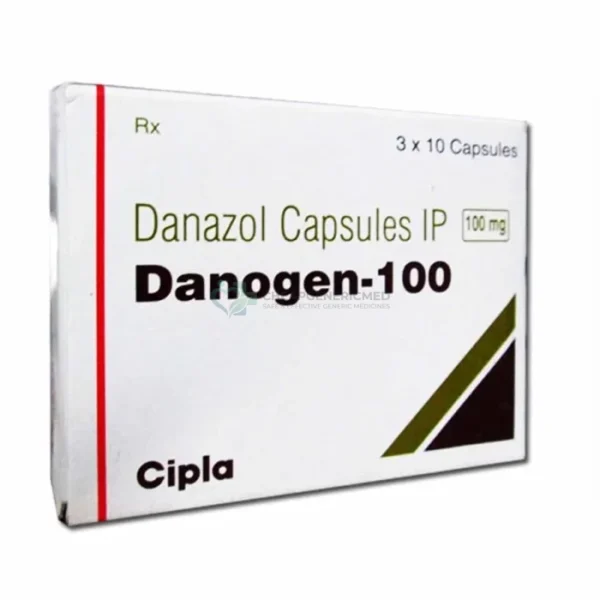
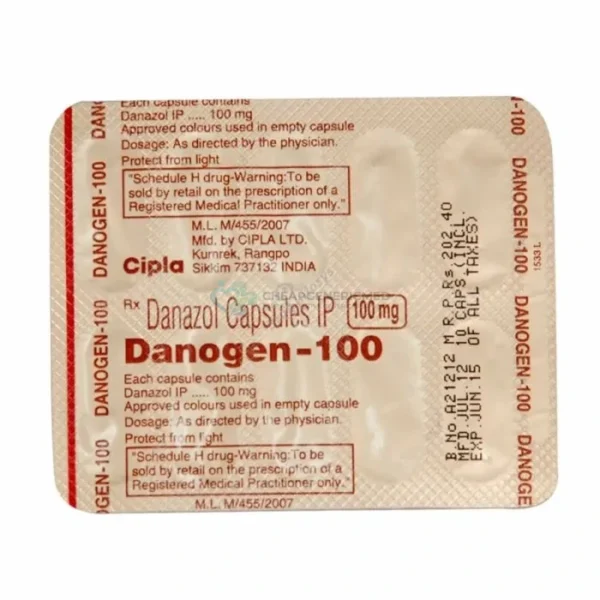
Danogen 100 Mg (Danazol)


Evalon 15 gm (Estriol)


Femilon (0.02+0.15) Mg (Estradiol)
Folvite Active Capsule (L-Methylfolate)

Reviews
There are no reviews yet.