

Aciloc 25 Mg Injection 2ml (Ranitidine)
Price range: $46.60 through $78.30Required
| Pack Size | Price | Unit Price | Quantity | |
|---|---|---|---|---|
| 30 Injection | $46.60 | $1.55 / injection | ||
| 60 Injection | $62.50 | $1.04 / injection | ||
| 90 Injection | $78.30 | $0.87 / injection |
About Aciloc 25 Mg Injection 2ml (Ranitidine)
Medicine information
- Active ingredient
- Ranitidine hydrochloride, equivalent to ranitidine
- Indication
- Treatment of duodenal ulcer, benign gastric ulcer, postoperative ulcer, reflux oesophagitis and Zollinger-Ellison syndrome; reduction of gastric acid secretion where clinically required; prophylaxis of gastrointestinal bleeding from stress ulceration in seriously ill patients; prevention of recurrent bleeding from peptic ulcers; and prevention of acid aspiration before general anaesthesia in patients considered at risk. In children aged 6 months to 18 years, the product information includes short-term treatment of peptic ulcer and gastro-oesophageal reflux, including reflux oesophagitis and symptomatic gastro-oesophageal reflux disease.
- Packaging
- 2 mL colourless Type I glass ampoules; pack size: 5 ampoules. Each 2 mL ampoule contains 50 mg ranitidine at a concentration of 25 mg/mL.
- Strength
- 25 mg/mL
- Dosage form
- Solution for injection
- Route
- Intravenous or intramuscular
Medicine overview
Aciloc Injection is a prescription acid-reducing medicine containing ranitidine, a histamine H2-receptor antagonist. Each millilitre provides 25 mg of ranitidine, and the 2 mL ampoule therefore contains 50 mg. It is given by intravenous or intramuscular injection when an injectable H2 blocker is clinically appropriate. Ranitidine reduces the production of gastric acid and is used for several ulcer- and reflux-related conditions as well as certain hospital-based indications requiring control of stomach acid secretion.
What it is used for
Aciloc Injection is used for acid-related gastrointestinal conditions including duodenal and benign gastric ulcers, postoperative ulcers, reflux oesophagitis and Zollinger-Ellison syndrome. It may also be used in hospital care to prevent stress-ulcer bleeding, recurrent bleeding from peptic ulcers, or acid aspiration associated with general anaesthesia in patients considered at risk. Paediatric indications in the product information include short-term treatment of peptic ulcer and gastro-oesophageal reflux in patients aged 6 months to 18 years.
How it works
Ranitidine is a histamine H2-receptor antagonist. It blocks H2 receptors involved in signalling the stomach's acid-producing cells. This suppresses both basal acid secretion and acid release stimulated by factors such as food and other physiological signals. The medicine reduces the volume of gastric secretion as well as its acid and pepsin content. Lowering gastric acidity helps manage conditions in which excess or damaging stomach acid contributes to ulcers, reflux or other complications.
How it is taken
Aciloc Injection is administered intravenously or intramuscularly and should be given according to the prescribed clinical regimen. The product information permits slow intravenous injection after appropriate dilution, intermittent or continuous intravenous infusion, or intramuscular injection. Recommended IV administration rates should not be exceeded because rapid administration has rarely been associated with bradycardia. Injectable treatment and any required dilution should be handled by an appropriately trained healthcare professional.
Important warnings
Do not use Aciloc Injection in anyone with known hypersensitivity to ranitidine or another component of the preparation. Acid suppression can mask symptoms of gastric cancer, so suspected gastric ulcer requires appropriate assessment. Ranitidine is eliminated through the kidneys and may accumulate in renal impairment. Rapid intravenous administration should be avoided because bradycardia has been reported, particularly in people predisposed to cardiac rhythm problems. The product information advises avoiding ranitidine in patients with a history of acute intermittent porphyria. Important interactions include coumarin anticoagulants such as warfarin, procainamide/N-acetylprocainamide, and medicines whose absorption depends on gastric pH, including ketoconazole, atazanavir, delavirdine, gefitinib and erlotinib. Seek urgent medical attention for breathing difficulty, facial or throat swelling, severe hypotension, chest pain or other signs of a serious hypersensitivity reaction.
Side effects and monitoring
Uncommon effects reported with ranitidine include abdominal pain, constipation and nausea. Rare or very rare reactions include rash, headache, dizziness, blurred vision, changes in liver function, hepatitis, acute pancreatitis, blood-cell abnormalities, kidney inflammation, bradycardia, heart block, confusion, depression and hallucinations. Serious hypersensitivity reactions can include urticaria, angioedema, bronchospasm, hypotension, chest pain and, very rarely, anaphylactic shock. Patients receiving prolonged or clinically intensive treatment may require monitoring appropriate to renal function, liver function, blood counts or interacting medicines according to their clinical circumstances. Urgent medical assessment is needed for severe allergic symptoms, breathing difficulty, jaundice, significant cardiac symptoms or other severe reactions.
Pregnancy
Ranitidine crosses the placenta. The Aciloc product information reports that therapeutic doses used in obstetric patients during labour or caesarean section were not associated with adverse effects on labour, delivery or subsequent neonatal progress, but states that it should be used during pregnancy only when considered essential.
Breastfeeding
Ranitidine is excreted into human breast milk. The Aciloc product information advises that it should be used during nursing only when considered essential.
Storage
Store below 30°C and protect from light. The product-specific information gives a shelf life of 36 months. Prepared admixtures with compatible intravenous infusion fluids should be discarded 24 hours after preparation.
Frequently asked questions
Is Aciloc Injection the same strength as a 25 mg dose?
No. The product contains 25 mg of ranitidine per mL, so a complete 2 mL ampoule contains 50 mg. The amount administered depends on the prescribed clinical regimen.
Why is ranitidine sometimes given as an injection instead of a tablet?
The injectable form allows intravenous or intramuscular administration when parenteral treatment is clinically appropriate, including certain hospital-based acid-control indications.
Can Aciloc Injection be given directly into a vein?
It can be administered intravenously, but the product information specifies controlled administration and appropriate dilution for slow IV injection. Rapid administration should be avoided because bradycardia has rarely occurred.
Does Aciloc Injection need dose adjustment with kidney problems?
Ranitidine can accumulate when kidney function is reduced. The product information therefore provides modified dosing guidance for renal impairment, which should be determined by the treating clinician.
Can Aciloc Injection interact with other medicines?
Yes. Clinically relevant interactions include warfarin and other coumarin anticoagulants, procainamide and medicines whose absorption changes when stomach acidity is reduced. A healthcare professional should review concurrent medicines before treatment.
Can Aciloc Injection be used during pregnancy?
Only when considered essential. Ranitidine crosses the placenta, although the product information reports no adverse effects on labour, delivery or neonatal progress from therapeutic use in the obstetric settings described.
Can Cheap Generic Med ship Aciloc Injection internationally?
NOT VERIFIED
Why have I heard safety concerns about ranitidine?
Ranitidine products have been subject to regulatory action in multiple countries because of concerns about the impurity NDMA. Availability and regulatory status therefore vary by country, and current local requirements should be checked before use.
Sources
Medical information notice: This information does not replace advice from a qualified healthcare professional. Use prescription medicine only as directed by the prescriber and the approved product information.
| Active Ingredients | Ranitidine |
|---|---|
| Manufacturer | Cadila Pharmaceuticals, India |
| Packaging | Qty |
| strength | 25mg |
| Delivery Time | 6 To 15 days |
Related products
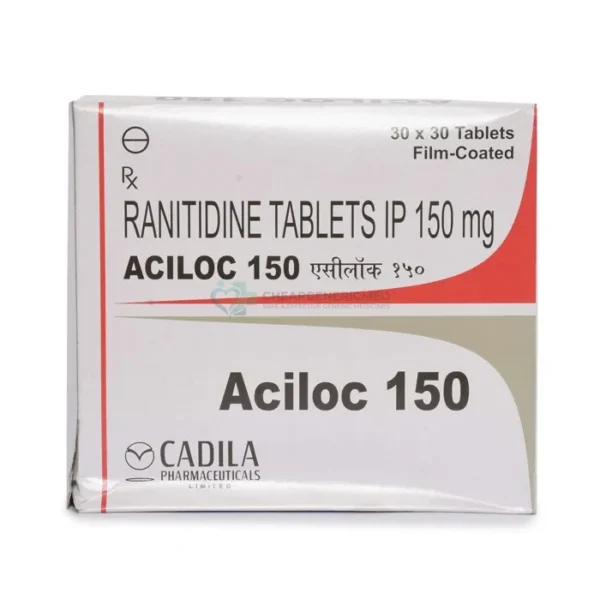
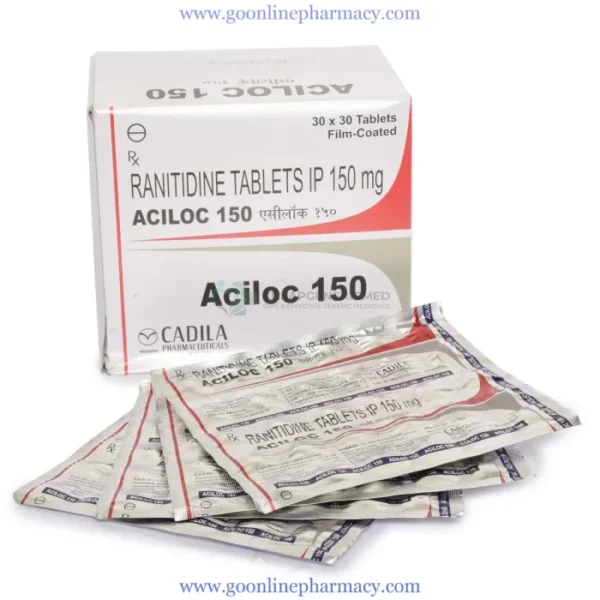
Aciloc 150 Mg (Ranitidine)

Aciloc 25 Mg Injection 30 ml (Ranitidine)
Dombax 10 Mg Tablet (Dexamethasone)
Famocid 20 Mg (Famotidine)
Manotac 150 Mg Tablet (Gabapentin)

Pentac 150 Mg Tablet (Pantoprazole)
Pentaloc 40 Mg (Cephalexin)
Reviews
There are no reviews yet.