

Aciloc 25 Mg Injection 30 ml (Ranitidine)
Price range: $183.00 through $475.10Required
| Pack Size | Price | Unit Price | Quantity | |
|---|---|---|---|---|
| 30 Injection | $183.00 | $6.10 / injection | ||
| 60 Injection | $329.80 | $5.50 / injection | ||
| 90 Injection | $475.10 | $5.28 / injection |
About Aciloc 25 Mg Injection 30 ml (Ranitidine)
Medicine information
- Active ingredient
- Ranitidine hydrochloride equivalent to ranitidine
- Indication
- Short-term parenteral treatment in hospitalized patients with pathological gastric acid hypersecretory conditions or intractable duodenal ulcers, and as an alternative to oral ranitidine when oral medication cannot be taken.
- Packaging
- 30 mL vial
- Strength
- 25 mg/mL
- Dosage form
- Injection, solution
- Route
- Intravenous; intramuscular
Medicine overview
Aciloc 25 mg Injection is a ranitidine injection manufactured by Cadila Pharmaceuticals Ltd. It contains ranitidine hydrochloride equivalent to ranitidine 25 mg/mL. Ranitidine is a histamine H2-receptor antagonist, a medicine that reduces the production of stomach acid. The injection is intended for parenteral administration, including intravenous or intramuscular use. Injectable ranitidine is used mainly when acid suppression is required in hospitalized patients and oral treatment is not suitable.
What it is used for
Injectable ranitidine is used for short-term acid suppression in certain hospitalized patients. Established indications include pathological hypersecretory conditions, where the stomach produces excessive acid, and intractable duodenal ulcers. It can also provide a temporary alternative to oral ranitidine when a patient cannot take medicine by mouth.
How it works
Ranitidine is a histamine H2-receptor antagonist. It competitively and reversibly blocks histamine at H2 receptors on acid-producing cells in the stomach. This reduces gastric acid secretion and lowers the amount of acid entering the stomach. The acid-reducing effect helps control conditions involving excessive gastric acid and reduces acid exposure in patients with difficult-to-treat duodenal ulcers.
How it is taken
Aciloc Injection is given parenterally by a healthcare professional. Ranitidine injection can be administered intramuscularly or intravenously; intravenous administration may involve appropriately diluted injection or infusion depending on the clinical situation. It should not be self-injected. The amount, administration method, dilution and treatment duration must be determined by the treating healthcare professional. Rapid intravenous administration should be avoided because bradycardia has rarely occurred.
Important warnings
Do not use ranitidine injection in patients with known hypersensitivity to ranitidine. Kidney impairment can reduce ranitidine clearance, and renal function may need consideration during treatment; caution is also advised with hepatic dysfunction. Ranitidine should be avoided in patients with a history of acute porphyria because rare acute attacks have been reported. Rapid intravenous administration has rarely been associated with bradycardia. Improvement of symptoms does not rule out gastric malignancy. Clinically relevant interactions can occur with medicines including procainamide and warfarin, and changes in gastric pH can alter absorption of drugs such as atazanavir, ketoconazole and gefitinib.
Side effects and monitoring
Common or reported effects include headache, constipation, diarrhea, nausea, vomiting, abdominal discomfort or pain, temporary pain after intramuscular injection, and local burning or itching with intravenous administration. Less common or serious reactions include abnormal heart rhythms, hepatitis or liver failure, pancreatitis, blood-cell abnormalities, severe hypersensitivity or anaphylaxis, angioedema, bronchospasm, acute interstitial nephritis and severe skin reactions. Seek urgent medical attention for difficulty breathing, facial or throat swelling, fainting, a severe rash or other signs of a serious allergic reaction. Renal function may require monitoring in older people or patients with kidney impairment; liver enzymes may require monitoring during prolonged high-dose intravenous therapy.
Pregnancy
Ranitidine should be used during pregnancy only when clearly needed. Historical prescribing information reports no evidence of fetal harm in animal reproduction studies but notes that adequate, well-controlled studies in pregnant women were not available.
Breastfeeding
Ranitidine is excreted into human milk. The prescribing information advises caution when ranitidine is administered to a breastfeeding mother.
Food and drink
No food-related administration requirement applies to the injectable route.
Storage
Protect ranitidine injection from light and freezing and avoid excessive heat.
Frequently asked questions
Why would ranitidine be given as an injection instead of a tablet?
Injectable ranitidine can be used for short-term treatment when a hospitalized patient cannot take oral medicine or requires parenteral treatment for certain severe acid-related conditions.
Can Aciloc Injection be given into a vein?
Yes. Ranitidine injection can be administered intravenously or intramuscularly by a healthcare professional. Intravenous doses require the appropriate administration rate and, depending on the method, dilution.
Can I inject Aciloc myself at home?
No self-administration guidance is supported for this product. Injectable ranitidine should be administered according to a healthcare professional's instructions using the appropriate IV or IM technique.
Why does kidney function matter with ranitidine injection?
Ranitidine is cleared mainly through the kidneys. Reduced kidney function can slow its removal from the body, so clinicians may need to adjust treatment and monitor renal function.
Can ranitidine injection cause a slow heartbeat?
Rarely. Bradycardia has been reported particularly with rapid administration, which is why the recommended intravenous administration rate should not be exceeded.
What serious reactions should I watch for after ranitidine injection?
Seek prompt medical attention for difficulty breathing, facial or throat swelling, severe rash, fainting or other signs of a severe allergic reaction. Rare serious reactions involving the liver, blood cells, kidneys and heart rhythm have also been reported.
Does Cheap Generic Med ship Aciloc Injection internationally?
Store-specific shipping availability for this injectable product is NOT VERIFIED.
Will an international Aciloc order clear customs?
NOT VERIFIED. Customs, prescription and personal-import requirements vary by destination, medicine and individual circumstances, and shipping availability does not guarantee customs clearance.
Sources
Medical information notice: This information does not replace advice from a qualified healthcare professional. Use prescription medicine only as directed by the prescriber and the approved product information.
| Active Ingredients | Ranitidine |
|---|---|
| Manufacturer | Cadila Pharmaceuticals, India |
| Packaging | Qty |
| strength | 25mg |
| Delivery Time | 6 To 15 days |
Related products
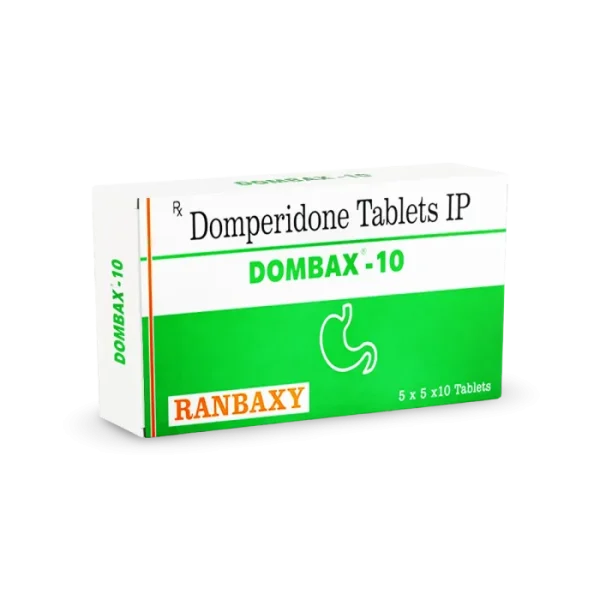
Dombax 10 Mg Tablet (Dexamethasone)
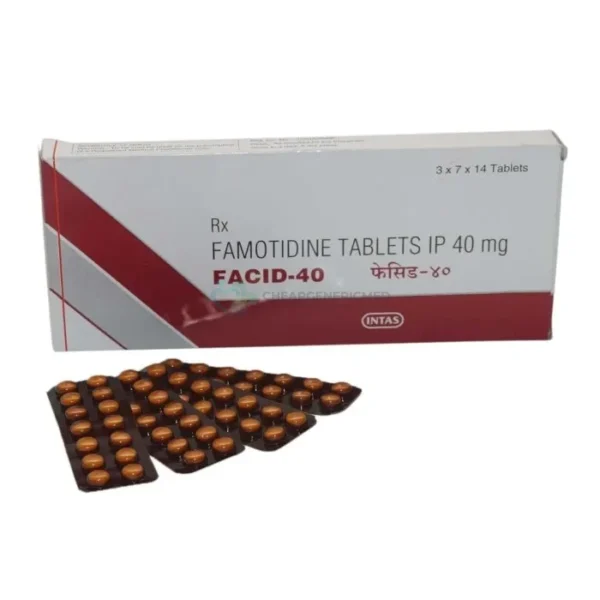
Facid 40 Mg (Famotidine)
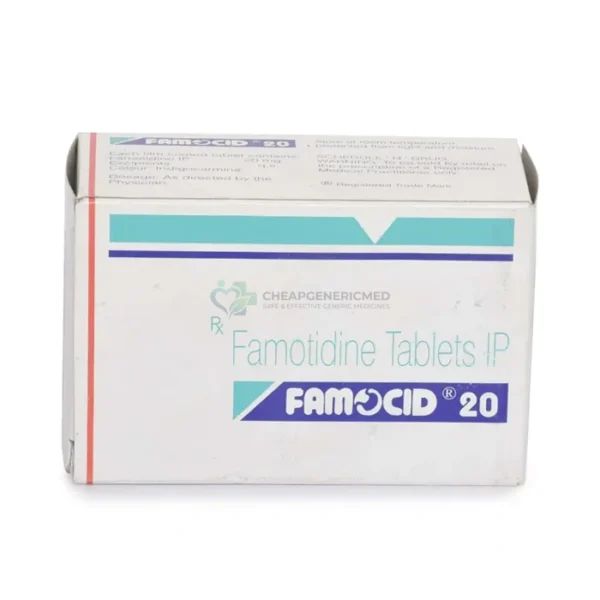
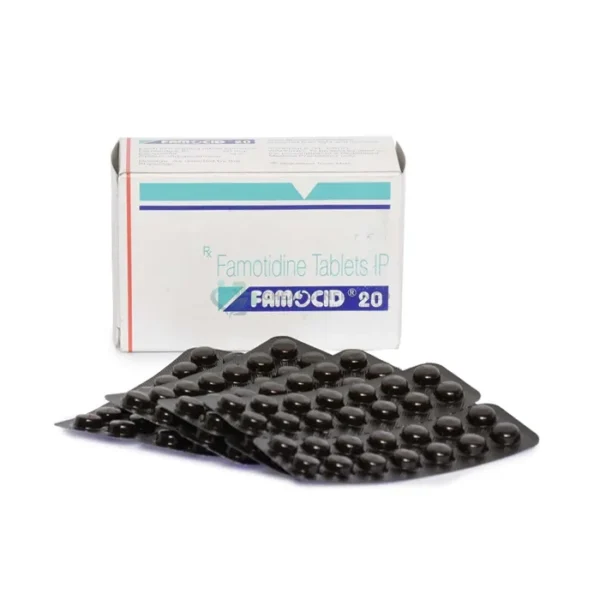
Famocid 20 Mg (Famotidine)

Famtac 40 Mg Tablet (Famotidine)
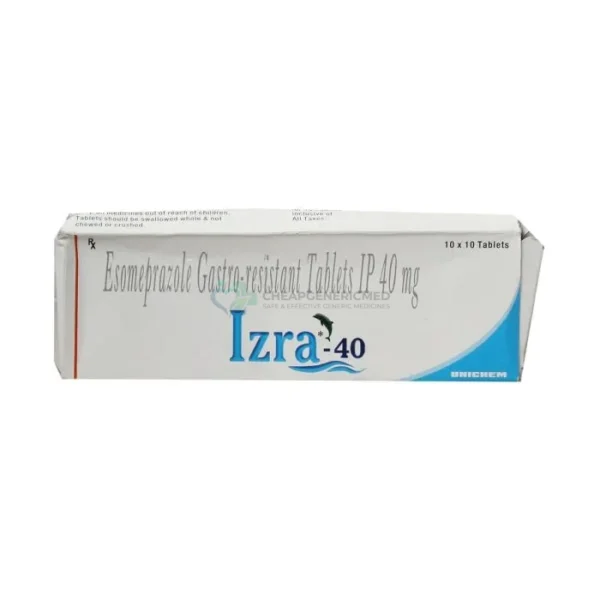
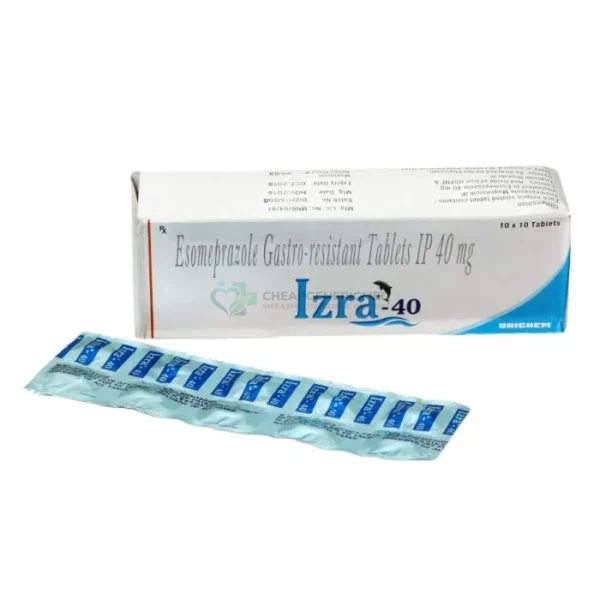
Izra 40 Mg (Esomeprazole Magnesium)

Pentac 150 Mg Tablet (Pantoprazole)
Razo 10 Mg (Rabeprazole)


Reviews
There are no reviews yet.