

Above 5 Tablet (Rabeprazole)
Price range: $71.27 through $84.00Required
| Pack Size | Price | Unit Price | Quantity | |
|---|---|---|---|---|
| 90 Tablet/s | $71.27 | $0.79 / tablet | ||
| 120 Tablet/s | $78.00 | $0.65 / tablet | ||
| 150 Tablet/s | $84.00 | $0.56 / tablet |
About Above 5 Tablet (Rabeprazole)
Medicine information
- Active ingredient
- Rabeprazole sodium
- Indication
- Treatment of acid-related gastrointestinal conditions, including gastro-oesophageal reflux disease (GERD), erosive or ulcerative GERD, duodenal ulcer, and pathological gastric acid hypersecretion such as Zollinger-Ellison syndrome. Rabeprazole is also used with appropriate antibiotics for Helicobacter pylori eradication in patients with peptic ulcer disease.
- Manufacturer
- Pfizer Ltd
- Packaging
- Strip of 7 tablets
- Strength
- 20 mg
- Dosage form
- Enteric-coated tablet
- Route
- Oral
Medicine overview
Above 5 Tablet contains rabeprazole sodium 20 mg in an enteric-coated tablet. Rabeprazole is a proton pump inhibitor (PPI), a class of medicines that reduces the production of stomach acid. It is used for acid-related conditions such as gastro-oesophageal reflux disease (GERD), including acid-related damage to the oesophagus, and peptic ulcer disease. It may also be prescribed for conditions involving excessive acid production and, with suitable antibiotics, as part of treatment to eradicate Helicobacter pylori.
What it is used for
Above 5 Tablet is used to reduce excessive stomach acid. Rabeprazole is indicated for symptomatic and erosive or ulcerative GERD, including treatment to promote healing and, where appropriate, maintenance of healing. Other established uses include duodenal ulcers and pathological acid-hypersecretion conditions such as Zollinger-Ellison syndrome. Rabeprazole can also form part of a combination antibiotic regimen for H. pylori eradication in patients with peptic ulcer disease.
How it works
Rabeprazole suppresses acid production by inhibiting the H+/K+-ATPase enzyme, commonly called the gastric proton pump, in acid-producing cells of the stomach. This blocks the final stage of gastric acid secretion and reduces both resting and stimulated acid production. Lowering stomach acidity can relieve acid-reflux symptoms and gives acid-damaged tissue in the oesophagus, stomach, or duodenum an opportunity to heal.
How it is taken
Take Above 5 Tablet by mouth exactly as prescribed. Because it is enteric-coated, swallow the tablet whole rather than chewing, crushing, or splitting it. Rabeprazole administration in relation to food can depend on the indication: official prescribing information specifies administration after a meal for duodenal ulcer treatment and with food when used for H. pylori eradication; for other indications it may be taken with or without food. Follow the instructions provided with the prescribed treatment.
Important warnings
Do not use rabeprazole if you have had a serious allergic reaction to rabeprazole, another substituted benzimidazole, or an ingredient in the product. Proton pump inhibitors including rabeprazole are contraindicated with rilpivirine-containing medicines because reduced rilpivirine exposure can compromise antiviral treatment. Important interactions include warfarin, high-dose methotrexate, digoxin, and medicines whose absorption depends on stomach acidity. Serious PPI-associated risks include acute tubulointerstitial nephritis, persistent Clostridioides difficile-associated diarrhoea, severe skin reactions, lupus, low magnesium and other mineral abnormalities, vitamin B12 deficiency with prolonged treatment, fractures associated particularly with prolonged/high-dose therapy, and fundic gland polyps. Persistent or recurrent symptoms require medical assessment because improvement with acid suppression does not rule out gastric or oesophageal malignancy. Seek prompt medical attention for severe allergic symptoms, a serious or widespread rash, persistent severe diarrhoea, reduced urination or blood in the urine, or other severe or unusual symptoms.
Side effects and monitoring
Commonly reported effects of rabeprazole include headache and gastrointestinal symptoms such as diarrhoea, nausea, abdominal discomfort, constipation, vomiting, and gas. Serious or less common problems include acute tubulointerstitial nephritis, severe allergic or skin reactions, C. difficile-associated diarrhoea, lupus, and disturbances in magnesium or other minerals. Longer-term PPI treatment may be associated with vitamin B12 deficiency, fractures, and fundic gland polyps. Monitoring may be appropriate during prolonged treatment or when rabeprazole is combined with medicines such as warfarin or digoxin. Persistent diarrhoea, signs of kidney problems, a severe rash, swelling or breathing difficulty require medical attention.
Pregnancy
Human pregnancy data for rabeprazole are limited and are not sufficient to establish a medicine-associated risk. If pregnant, planning pregnancy, or becoming pregnant during treatment, discuss continued use with the prescribing healthcare professional so the potential benefits and risks can be assessed.
Breastfeeding
Available prescribing information does not establish whether rabeprazole is present in human breast milk or what effects it may have on a breastfed infant or milk production. Specialist UK medicines guidance states that rabeprazole can be used with caution during breastfeeding, although omeprazole or pantoprazole are preferred where clinically appropriate. Breastfeeding use should therefore be discussed with a healthcare professional.
Food and drink
Rabeprazole delayed-release tablets may be taken with or without food for most indications. Administration differs for certain uses: official prescribing information directs taking it after a meal for duodenal ulcer treatment and with food when used as part of H. pylori eradication therapy. Swallow the enteric-coated tablet whole and follow the prescribed instructions for the condition being treated.
Storage
Store below 25°C and protect from moisture.
Frequently asked questions
When should I take rabeprazole, and does it have to be before food?
Food instructions depend on why rabeprazole is being used. Official prescribing information states that it can be taken with or without food for most indications, after a meal for duodenal ulcers, and with food when used for H. pylori eradication. Follow the directions given for your prescribed treatment.
Can I crush or split Above 5 Tablet if I find tablets difficult to swallow?
No. The tablet is enteric-coated to protect rabeprazole from stomach acid, so it should be swallowed whole and should not be chewed, crushed, or split.
Can rabeprazole cause gas, bloating, or other digestive side effects?
Yes. Gastrointestinal effects such as gas, diarrhoea, nausea, vomiting, constipation, and abdominal discomfort can occur. Contact your healthcare professional if symptoms are severe, persistent, or accompanied by warning signs such as persistent watery diarrhoea.
Is it safe to stay on rabeprazole for a long time?
Long-term treatment is appropriate for some conditions but should remain under medical review. Prolonged PPI use is associated with risks including vitamin B12 deficiency, low magnesium, fractures, and fundic gland polyps, so the need for continued treatment should be reviewed when appropriate.
What happens if I miss a dose?
Take the missed dose when you remember unless it is almost time for the next dose. If the next dose is near, skip the missed dose and return to the usual schedule; do not take two doses at the same time.
Does rabeprazole give immediate relief from heartburn?
Not necessarily. Rabeprazole reduces stomach acid production rather than acting as an immediate acid-neutralizing medicine. Its acid-suppressing effect begins after administration and becomes stronger with repeated dosing, so take it according to the prescribed course rather than using extra tablets for rapid relief.
Can I take rabeprazole with my other medicines?
Some medicines require particular caution. Rabeprazole must not be combined with rilpivirine-containing products, and clinically important interactions can occur with medicines including warfarin, high-dose methotrexate, digoxin, and some medicines whose absorption depends on stomach acidity. Check your medicines with a doctor or pharmacist.
Can Cheap Generic Med ship Above 5 Tablet internationally?
Cheap Generic Med serves multiple international destinations, but product-specific availability and delivery for Above 5 Tablet are NOT VERIFIED. Prescription and personal-import requirements can also differ by destination and are separate from whether a store offers international shipping.
Sources
Medical information notice: This information does not replace advice from a qualified healthcare professional. Use prescription medicine only as directed by the prescriber and the approved product information.
| Active Ingredients | Rabeprazole (20Mg) |
|---|---|
| Manufacturer | Pfizer Ltd |
| Packaging | Qty |
| strength | 20Mg |
| Delivery Time | 6 To 15 days |
Related products
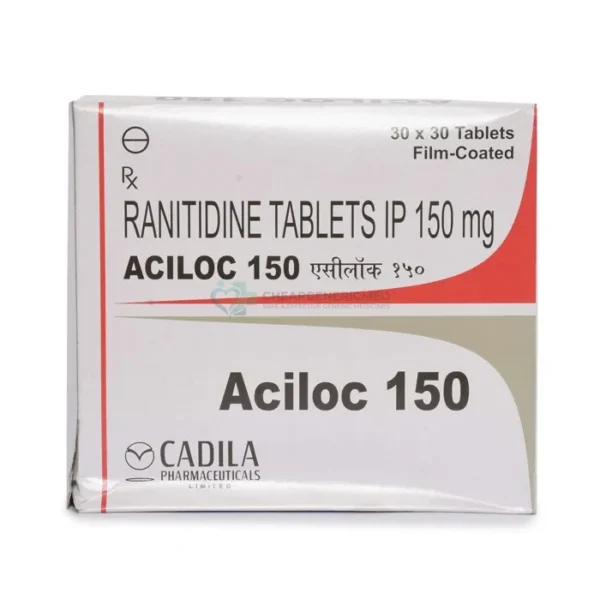
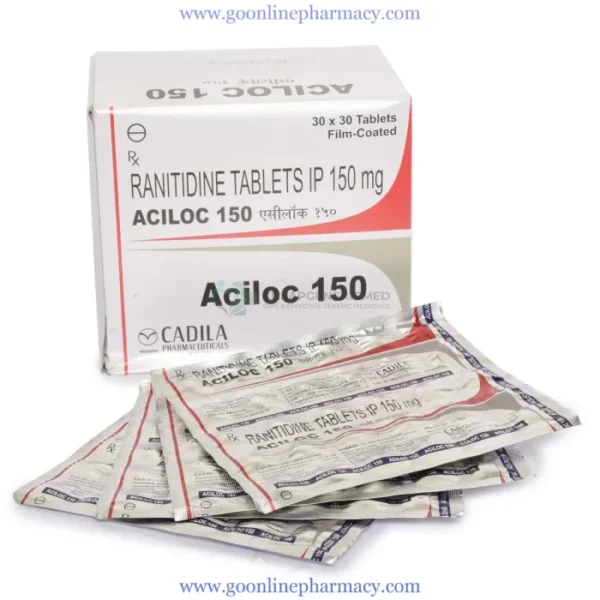
Aciloc 150 Mg (Ranitidine)
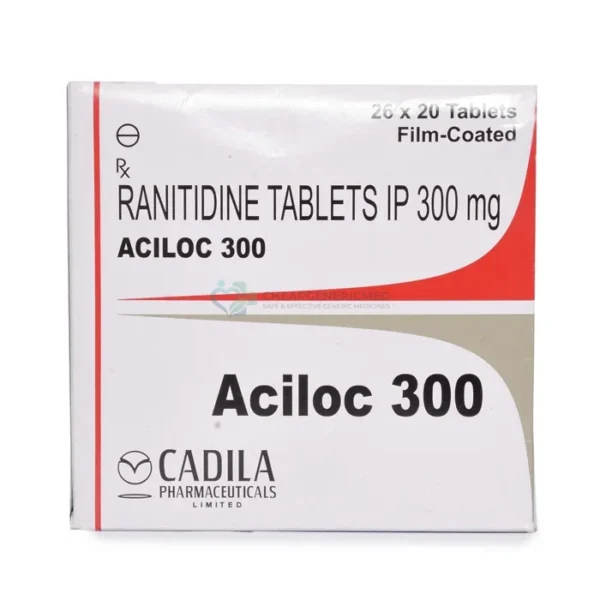
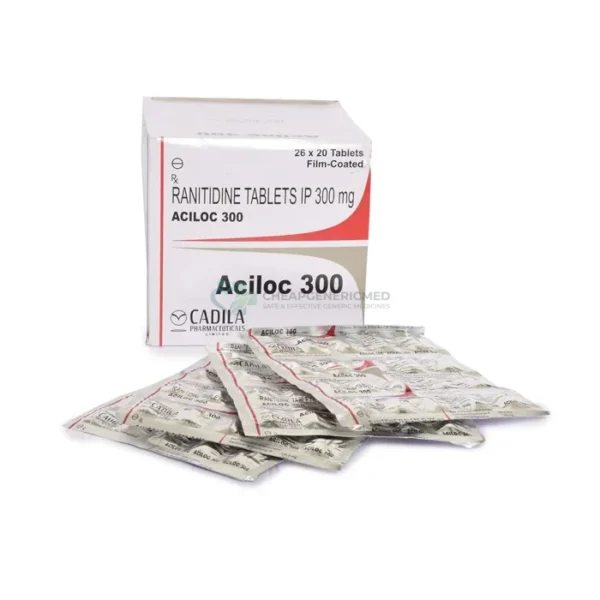
Aciloc 300 Mg (Ranitidine)
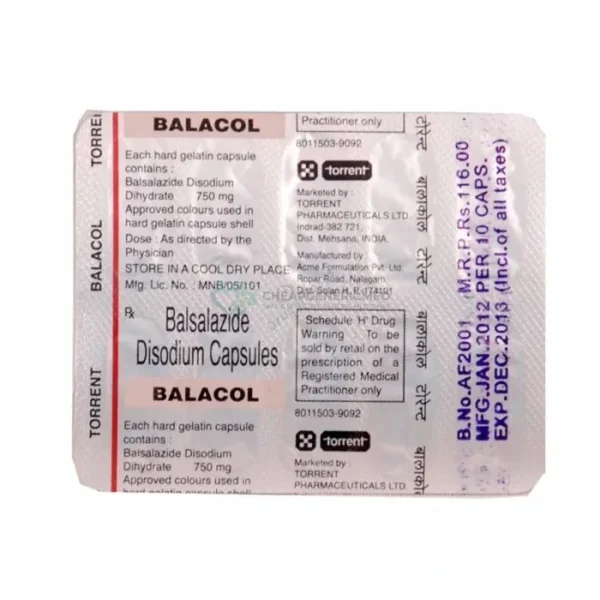
Balsacol 750 Mg (Balsalazide)

Ciplox TZ H 250 Mg+300 Mg Tablet (Ciprofloxacin And Tinidazole)
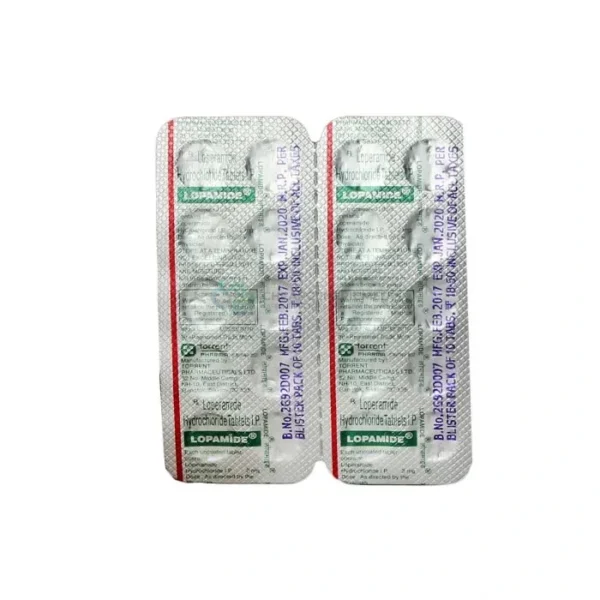
Lopamide 2 Mg (Loperamide)
Mesacol 4 gm Enema (Mesalazine)
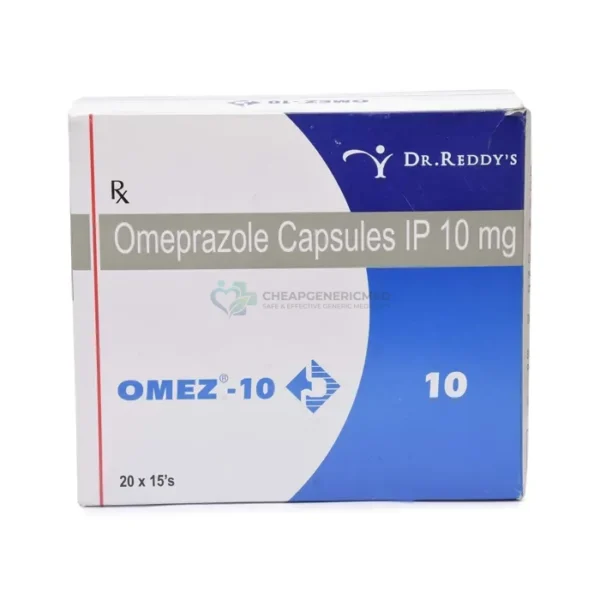
Omez 10 Mg (Omeprazole)

Reviews
There are no reviews yet.