
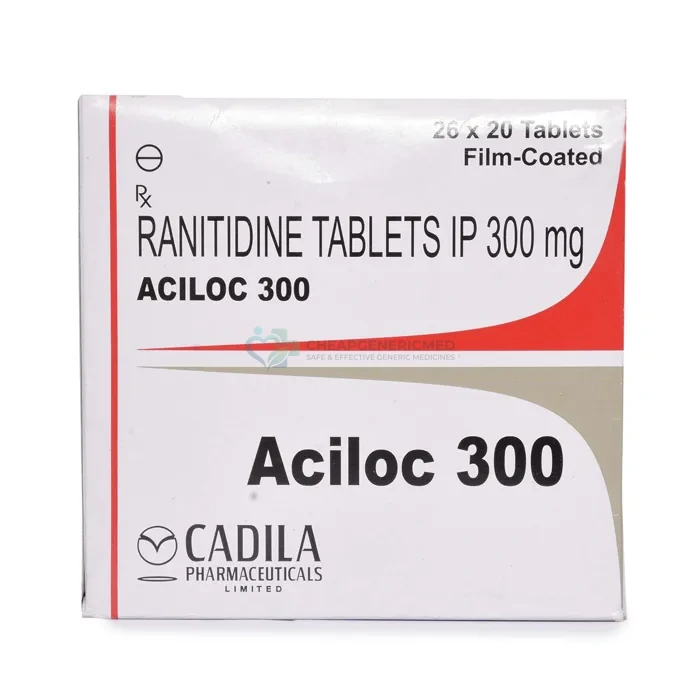
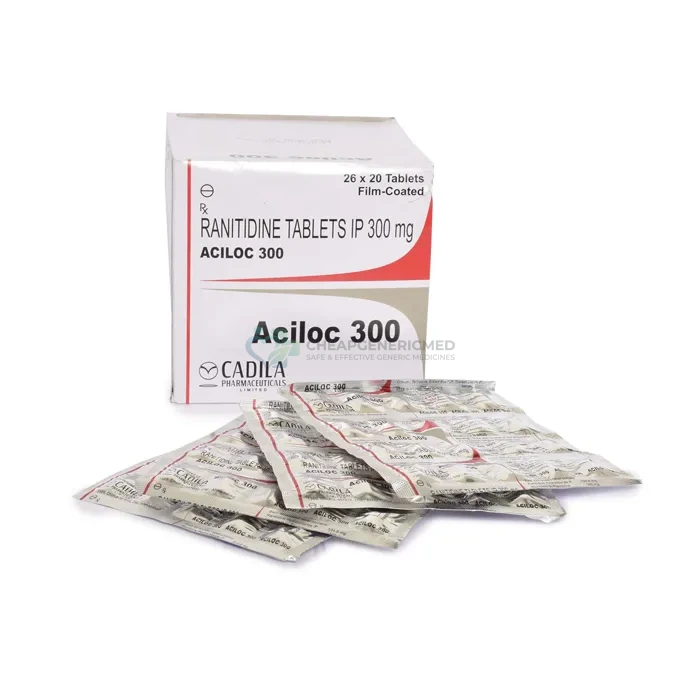
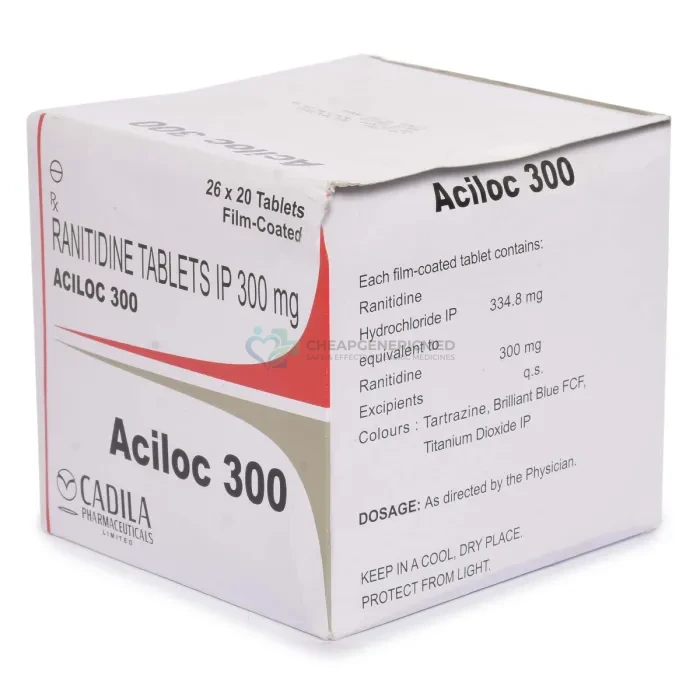
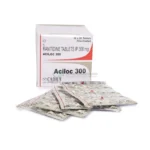
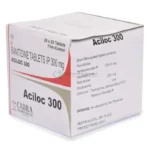
Aciloc 300 Mg (Ranitidine)
Price range: $36.35 through $47.49Required
| Pack Size | Price | Unit Price | Quantity | |
|---|---|---|---|---|
| 40 Tablet/s | $36.35 | $0.91 / tablet | ||
| 80 Tablet/s | $42.48 | $0.53 / tablet | ||
| 120 Tablet/s | $47.49 | $0.40 / tablet |
About Aciloc 300 Mg (Ranitidine)
Medicine information
- Active ingredient
- Ranitidine
- Indication
- Short-term relief of heartburn, dyspepsia, and hyperacidity; ranitidine is also used for acid-related disorders including gastroesophageal reflux disease (GERD), active duodenal ulcer, benign gastric ulcer, erosive esophagitis, and pathological gastric hypersecretory conditions.
- Manufacturer
- Cadila Pharmaceuticals Ltd
- Packaging
- 20 film-coated tablets per blister strip
- Strength
- 300 mg
- Dosage form
- Film-coated tablet
- Route
- Oral
Medicine overview
Aciloc 300 mg is a film-coated oral tablet containing 300 mg of ranitidine, manufactured by Cadila Pharmaceuticals Ltd in India. Ranitidine belongs to the histamine H2-receptor antagonist class, commonly called H2 blockers. It reduces the amount of acid produced by the stomach. Aciloc 300 is used for acid-related digestive conditions, including short-term relief of heartburn, dyspepsia, and hyperacidity. Ranitidine is also used in the treatment of conditions such as gastroesophageal reflux disease and peptic ulcers.
What it is used for
Aciloc 300 mg reduces gastric acid production. The registered product is indicated for short-term relief of heartburn, dyspepsia, and hyperacidity. Ranitidine tablets are also established treatments for active duodenal and benign gastric ulcers, GERD, erosive esophagitis, and certain conditions that cause excessive stomach-acid secretion, such as Zollinger-Ellison syndrome. The appropriate indication and duration depend on the clinical reason for treatment.
How it works
Ranitidine is a histamine H2-receptor antagonist. Histamine normally stimulates H2 receptors on acid-producing cells in the stomach. Ranitidine reversibly blocks these receptors, reducing both daytime and nighttime gastric acid secretion as well as acid released in response to food and other stimuli. Lowering stomach acid can relieve acid-related symptoms and provides conditions that allow irritated or ulcerated tissue in the stomach, duodenum, or oesophagus to heal.
How it is taken
Aciloc 300 mg is taken by mouth. Swallow the tablet as directed by the prescriber. Ranitidine absorption is not significantly affected by food, so it may generally be administered without regard to meals. Administration schedules vary according to the condition being treated, and the 300 mg tablet should not be used to construct an individual dose without appropriate prescribing instructions. Patients with impaired kidney function may require a different ranitidine dose or dosing interval.
Important warnings
Do not use ranitidine if there is known hypersensitivity to ranitidine or any ingredient in the product. Persistent or recurring symptoms require medical assessment because improvement with acid suppression does not rule out gastric malignancy. Kidney impairment can substantially reduce ranitidine clearance, while caution is also required with liver dysfunction. Ranitidine should be avoided in people with a history of acute porphyria. Clinically relevant interactions can occur with warfarin, procainamide and medicines whose absorption depends on stomach acidity, including ketoconazole and atazanavir; interactions are also reported with midazolam, triazolam and glipizide. Seek prompt medical attention for a severe allergic reaction, jaundice, unusual bleeding or bruising, or other severe or unexpected symptoms. Modern ranitidine formulations require appropriate control of nitrosamine impurities; FDA-approved reformulated ranitidine returned to the U.S. market in 2025 after manufacturing and stability changes addressing previous NDMA concerns.
Side effects and monitoring
Commonly reported effects include headache, constipation, diarrhoea, nausea, vomiting, and abdominal discomfort or pain. Less common or rare reactions include dizziness, confusion or hallucinations, abnormal heart rhythms, pancreatitis, hepatitis or jaundice, changes in blood-cell counts, rash, acute interstitial nephritis, and severe hypersensitivity reactions such as anaphylaxis or angioedema. Medical attention is needed for difficulty breathing or facial swelling, jaundice, severe persistent abdominal symptoms, unusual bleeding or bruising, or symptoms suggesting a serious reaction. Kidney function may be relevant to dosing, particularly in older adults or people with renal impairment; warfarin users may require closer coagulation monitoring.
Pregnancy
Ranitidine should be used during pregnancy only when clinically needed. Animal studies did not show fetal harm at high exposures, but adequate well-controlled studies in pregnant women are limited.
Breastfeeding
Ranitidine passes into human breast milk. Available evidence indicates that infant exposure through milk is below doses historically used therapeutically in newborns, but current lactation guidance notes concerns about ranitidine degradation if the medicine is not appropriately formulated and stored; an alternative medicine may therefore be preferred. Clinical advice should be obtained when treatment is required during breastfeeding.
Food and drink
Ranitidine tablets may generally be taken without regard to food because food does not significantly impair absorption. For people being treated for reflux or heartburn, foods and drinks that trigger their symptoms may still cause discomfort despite acid-suppressing treatment.
Storage
Store according to the Aciloc 300 package instructions. Ranitidine is sensitive to moisture, light, time, and storage conditions, which are particularly important because inappropriate formulation or storage can contribute to nitrosamine impurity formation.
Frequently asked questions
Can I take Aciloc 300 with food?
Yes. Food does not significantly reduce ranitidine absorption, so ranitidine tablets can generally be taken without regard to meals. Follow the timing instructions provided for your particular treatment.
Does ranitidine work for nighttime acid reflux?
Ranitidine reduces both daytime and nighttime stomach-acid secretion. Whether a 300 mg tablet is appropriate, and when it should be taken, depends on the condition and prescribing instructions.
What side effects should I expect from ranitidine?
Headache and digestive effects such as constipation, diarrhoea, nausea, vomiting, or abdominal discomfort can occur. Seek medical attention for severe allergy symptoms, jaundice, unusual bleeding or bruising, or another serious reaction.
I heard ranitidine was withdrawn because of a cancer-related impurity. Is it available again?
Yes, appropriately reformulated ranitidine returned to the U.S. market after FDA approval in November 2025. Earlier products were withdrawn because NDMA levels could increase with time and temperature; the newly approved formulations must meet current nitrosamine specifications. This does not establish that every ranitidine product or formulation is equivalent.
Do kidney problems matter when taking ranitidine?
Yes. Ranitidine is eliminated mainly through the kidneys, so impaired kidney function can increase exposure and may require a different dose or dosing interval determined by a healthcare professional.
Can I take ranitidine with warfarin or other medicines?
Some medicines require extra caution. Ranitidine has reported interactions with warfarin and procainamide and can change the absorption or exposure of medicines including ketoconazole, atazanavir, midazolam, triazolam, and glipizide. A pharmacist or prescriber should review relevant medicines before treatment.
Can Cheap Generic Med ship Aciloc 300 internationally?
Cheap Generic Med serves multiple international destinations under its shipping model, but destination-specific availability of Aciloc 300 is NOT VERIFIED. Shipping availability also does not establish whether personal import of ranitidine is permitted in a particular country.
Will an international Aciloc 300 order have tracking?
Under Cheap Generic Med's standard fulfilment model, tracked international shipping is used and a tracking number should be provided after dispatch. Carrier systems may take 24–72 hours to begin displaying movement.
Sources
Medical information notice: This information does not replace advice from a qualified healthcare professional. Use prescription medicine only as directed by the prescriber and the approved product information.
| Active Ingredients | Ranitidine |
|---|---|
| Manufacturer | Cadila Pharmaceuticals, India |
| Packaging | Qty |
| strength | 300mg |
| Delivery Time | 6 To 15 days |
Related products

Cifran C TH Tablet (250 Mg+300 Mg)
Mesacol 500 Mg Suppository (Mesalamine)
Omez 10 Mg (Omeprazole)
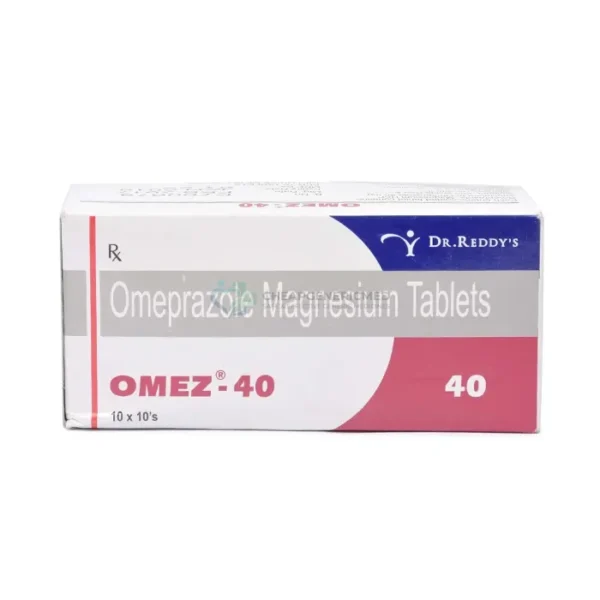
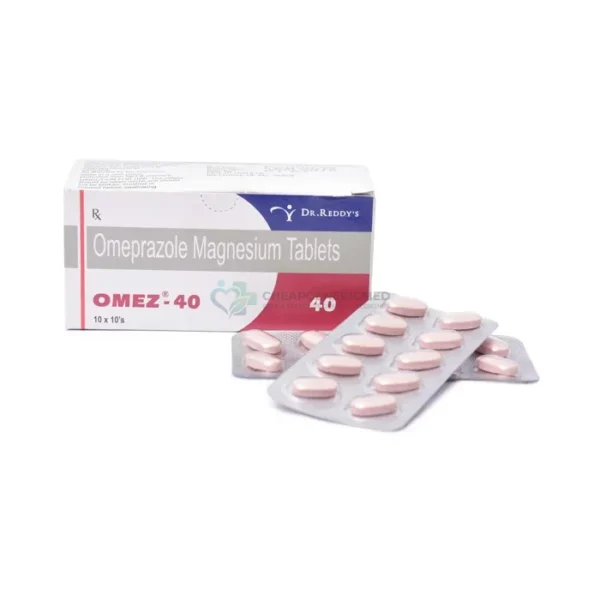
Omez 40 Mg (Omeprazole)
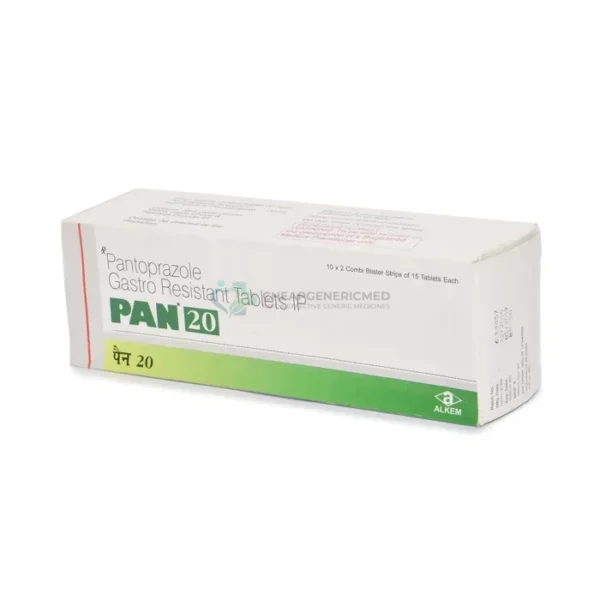

Pan 20 Mg (Pantoprazole)
Pantop Forte 20 Mg Tablet (Pantop Forterazole)
Pentaloc D 10 Mg/20 Mg Tablet (Domperidone)


Reviews
There are no reviews yet.