

Dr. Emily Brown
Dr. Ryan Mitchell
## What is Viread 300 mg
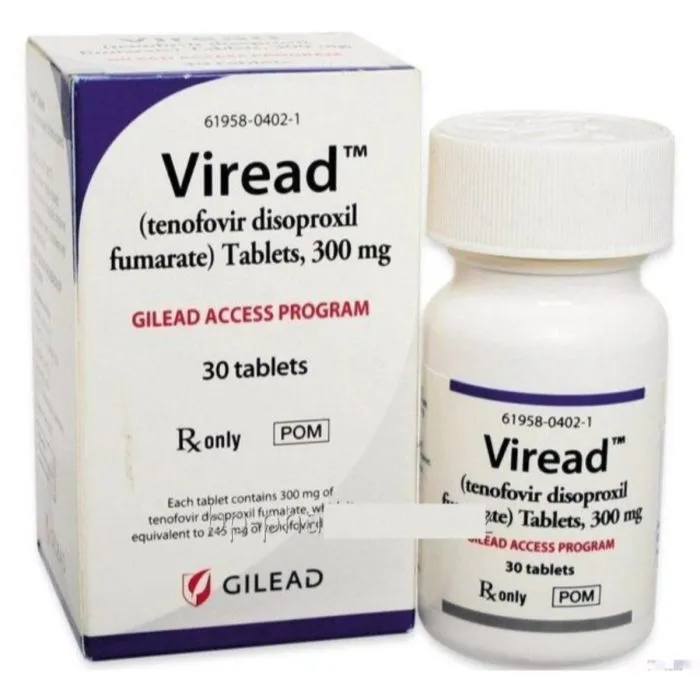
Viread 300 mg tablet is a prescription antiviral medication prescribed to treat Human Immunodeficiency Virus Type 1 (HIV-1) infection in adolescents and adults, and Chronic Hepatitis B (HBV) infection in adults with active liver disease. It is manufactured by Abbott Healthcare, India, in GMP-compliant facilities.
The tablet contains FDA-approved Tenofovir Disoproxil Fumarate 300 mg, a Nucleotide Reverse Transcriptase Inhibitor (NtRTI). Once inside the body, Tenofovir Disoproxil Fumarate is converted into its active form, Tenofovir diphosphate, which competes with the natural building blocks that the virus needs to copy its genetic code.
By inserting itself into the viral DNA, Tenofovir halts viral replication, preventing new virus particles from forming and significantly reducing viral load in the body. It does not cure HIV or Hepatitis B, but controls the infection and slows disease progression.
The standard dose is 1 tablet once daily, taken orally with or without food. For HIV treatment, Viread is always used as part of a combination antiretroviral regimen and should never be taken alone. For Hepatitis B, treatment duration depends on the degree of liver disease and individual response to therapy, as determined by the treating doctor.
Common Viread side effects include nausea, diarrhea, headache, and dizziness. Kidney function and bone density should be monitored regularly during treatment, as Tenofovir can affect both with long-term use. Store the Viread tablets at room temperature below 25°C in a cool, dry place. Avoid exposure to direct sunlight.
## What are the benefits of taking Viread 300 mg
Tenofovir Disoproxil Fumarate blocks the reverse transcriptase enzyme that both HIV and Hepatitis B viruses rely on to replicate their genetic material inside the host’s cells. Without successful replication, the virus cannot produce new copies of itself, which causes viral load to fall and allows the immune system to recover or stabilize. Viread 300 mg is effective in treating:
HIV-1 infection, as part of combination therapy, by suppressing viral replication and reducing viral load to undetectable levels over time.
Chronic Hepatitis B (HBV) infection, by reducing HBV DNA levels, improving liver enzyme results, and slowing the progression of liver damage.
HIV pre-exposure prophylaxis (PrEP), in combination with Emtricitabine, to reduce the risk of HIV infection.
## How to take Viread 300 mg
Viread 300 mg oral tablet is a prescription medication that should only be used as directed by a healthcare professional. The general usage guidelines are as follows:
Take 1 tablet once daily at the same time each day.
Swallow the tablet whole with a full glass of water without crushing or chewing it.
Take the tablet with or without food.
Do not exceed the prescribed Viread dosage or stop taking Viread without consulting the doctor, as stopping suddenly can cause viral rebound in HIV and, in Hepatitis B patients, a serious flare-up of liver inflammation.
## Strengths and Substitutes
Viread is available as a 300 mg tablet. You can explore the alternatives available at Cheap Medicine Shop:
View all substitutes
## What are the side effects of Viread 300 mg
Generally, Viread 300 mg tablets cause mild side effects that improve as the body adjusts to the medicine. However, consult a qualified healthcare professional if they persist or worsen:
Nausea or vomiting
Diarrhea or flatulence
Headache or dizziness
Fatigue or weakness
Rash
Insomnia
## Safety Advice
Liver Disease
Viread is commonly prescribed to patients with liver disease caused by Chronic Hepatitis B infection and is generally well-tolerated in patients with liver disease. However, patients with decompensated liver disease (advanced liver failure) require careful evaluation before starting treatment. Do not stop Viread in patients with Hepatitis B without medical guidance, as abrupt discontinuation can trigger severe liver inflammation. Always consult a doctor before starting treatment.
Kidney Impairment
Tenofovir is eliminated through the kidneys, and kidney function must be assessed before starting Viread and monitored regularly throughout treatment. In people with moderate to severe kidney impairment, the dosing interval needs to be extended to prevent accumulation. Patients on dialysis require special dosing schedules. Inform the doctor about any kidney condition before starting Viread.
Pregnant and Breastfeeding women
Viread is used during pregnancy for HIV-positive women as part of antiretroviral therapy to prevent mother-to-child transmission, and its use in this context is well supported by clinical data. Tenofovir passes into breast milk. HIV-positive women are generally advised not to breastfeed regardless of treatment. For patients with Hepatitis B, discuss the risks and benefits with a doctor before using Viread during pregnancy or while nursing.
Avoid
Do not take Viread as the sole medication for HIV treatment, as monotherapy leads to rapid development of resistance. Avoid using Viread alongside other Tenofovir-containing medications such as Truvada or Atripla, as this results in duplicate dosing. Do not take with Adefovir, as the combination is not recommended for Hepatitis B treatment. Patients with a history of kidney disease, bone fractures, or low bone mineral density should inform their doctor before starting treatment. Do not stop Viread without medical supervision, particularly in Hepatitis B patients, as it can trigger a dangerous liver flare.
## FAQs
## Can Viread 300 mg tablet treat Hepatitis B?
Yes, Viread is approved for the treatment of Chronic Hepatitis B in adults with active viral replication and liver inflammation or damage. It reduces HBV DNA levels, improves liver enzyme results, and slows the progression of Liver Fibrosis.
## Can Viread 300 mg tablet cure HIV infection?
No, Viread does not cure HIV infection. It suppresses the virus by blocking its replication, lowering viral load and allowing the immune system to recover. When taken consistently as part of a combination antiretroviral regimen, Viread can help maintain undetectable viral levels, reducing the risk of disease progression and HIV transmission.
## How should Viread 300 mg Tablet be taken?
Take one Viread 300 mg tablet once daily at the same time each day, with or without food. Swallow the tablet without crushing or chewing. Consistency in timing is vital for maintaining stable levels in the blood.
## Who should avoid taking Viread 300 mg Tablet?
Patients with a known allergy to Tenofovir Disoproxil Fumarate or any component of the tablet should not use Viread. Those with severe kidney impairment who are not on dialysis require careful evaluation before use. Viread should also not be combined with other Tenofovir-containing products or with Adefovir.
## Can Viread 300 mg Tablet affect kidney function?
Yes, long-term use of Tenofovir can affect kidney function, including reducing creatinine clearance and, in rare cases, causing Fanconi Syndrome, where the kidneys lose their ability to reabsorb important nutrients. Report any significant reduction in urine output, swelling, or persistent fatigue to the doctor.
## Does Viread 300 mg affect bone health?
Yes, long-term Tenofovir use has been associated with reduced bone mineral density, which can increase the risk of fractures over time. Patients with pre-existing bone conditions or risk factors for Osteoporosis should inform their doctor before starting treatment.
## Can Viread 300 mg Tablet be taken with food?
Yes, Viread 300 mg can be taken with or without food. Taking it with a meal does not significantly alter its absorption but can help reduce nausea in patients who experience stomach discomfort on an empty stomach.
| Packaging | Qty |
|---|---|
| Delivery Time | 6 To 15 days |




Reviews
There are no reviews yet.