

Dr. Emily Brown
Dr. Ryan Mitchell
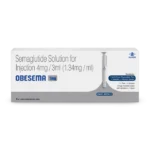
## What is Obesema 0.5 mg Injection
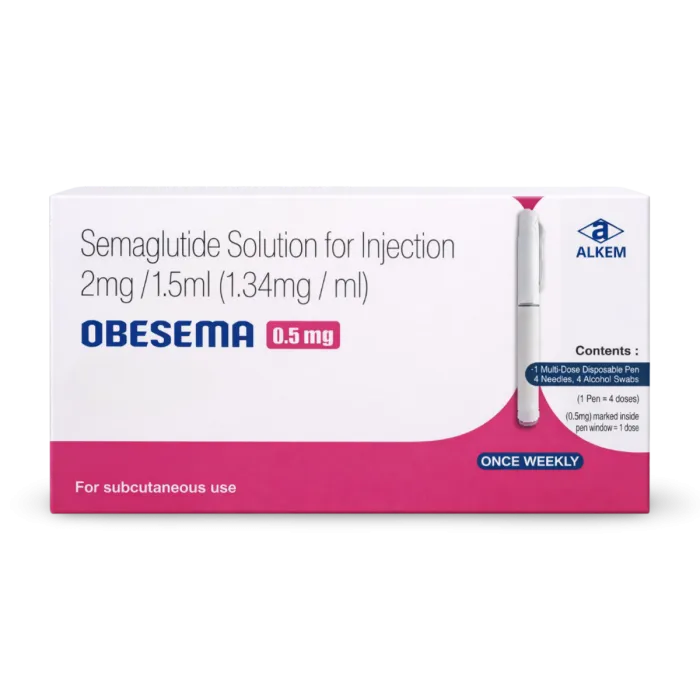
Obesema 0.5 mg Injection is used for chronic weight management in people who are overweight or obese. It also helps improve blood sugar control in adults with Type 2 Diabetes. It comes as a prefilled multi-dose pen box with 4 needles and 4 alcohol swabs. It is manufactured by Alkem Laboratories under high-quality global standards and WHO-inspected facilities.
Obesema 0.5 mg Injection contains FDA-approved Semaglutide 1.34 mg/mL. It belongs to the Glucagon-Like Peptide-1 (GLP-1) Receptor Agonist class. Like a natural gut hormone that signals the pancreas to release insulin when blood sugar is high, it lowers glucagon, slows stomach emptying, and reduces appetite. Because of this, it can help you feel full earlier, eat less, and lose weight over time.
Obesema 0.5 mg is a once-weekly, early dose for chronic weight management. It is then escalated every 4 weeks, depending on your response and tolerability. The injection is given subcutaneously, which means under the skin into the fatty layer of your abdomen, thigh or upper arm.
Nausea, vomiting and Diarrhea are among the most common side effects. These are usually worse during the first few weeks or after a dose increase, but improve as the body gets used to the medicine. Constipation usually lasts longer, so your doctor can advise a stool softener or laxative. Seek medical help in case of severe stomach pain, persistent vomiting, dehydration, or vision changes.
People with a history of Pancreatitis, severe Gastroparesis, Diabetic Retinopathy or known allergies to Semaglutide should use this medicine only after medical review. Semaglutide carries an FDA boxed warning for the risk of Thyroid C-cell Tumors based on rodent studies. Therefore, it should not be used by anyone with a personal or family history of Medullary Thyroid Carcinoma or Multiple Endocrine Neoplasia Syndrome Type 2 (MEN 2).
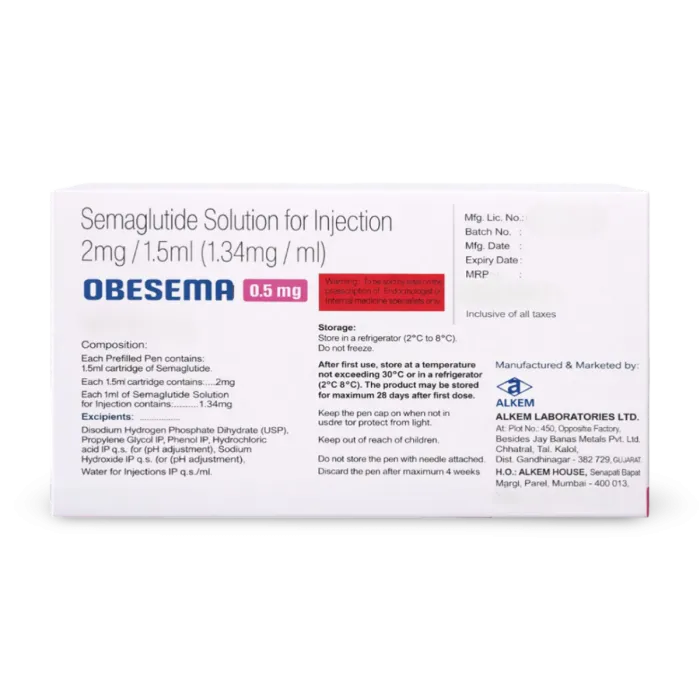
Store the Obesema 0.5 mg prefilled pen in the refrigerator (2°C to 8°C). Keep it protected from heat and light, but do not freeze it.
## What are the benefits of taking Obesema 0.5 mg Injection
Obesema 0.5 mg Injection offers broader metabolic support when combined with a low-calorie diet and regular physical activity. Its main uses and benefits include:
Ongoing weight control in adults: It is used for chronic weight management in adults with Obesity or in adults who are overweight and have at least one weight-related condition, such as High Blood Pressure, high cholesterol or Diabetes.
Weight management support in adolescents : It can be used in adolescents aged 12 years and older with Obesity, under pediatric supervision.
Blood sugar support in Type 2 Diabetes: It helps the body release insulin when glucose is high and reduces glucagon levels. This supports after-meal blood sugar control in adults with Type 2 Diabetes.
Cardiovascular protection: Semaglutide is also used to reduce major cardiovascular events in specific adults who are obese or overweight and already have heart or blood vessel issues.
## How to take Obesema 0.5 mg Injection
The first Obesema injection should only be administered by a healthcare professional. They will teach you how to use the pen yourself. Typical guidelines include:
Inject it under the skin once weekly, on the same day each week.
Use the abdomen, thigh, or upper arm as the injection site.
Rotate them each week to avoid redness or irritation at the injection site.
Dispose of used needles in a sharps container; never reuse or share them.
Take it with or without food, as advised.
If you miss a dose, contact your doctor for further guidance.
## Strengths and Substitutes
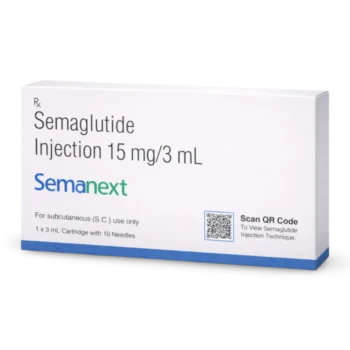
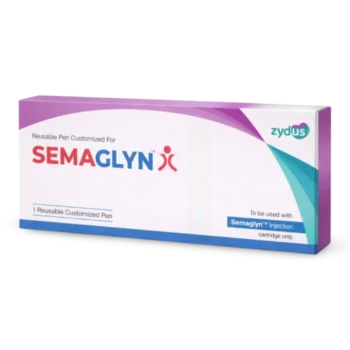
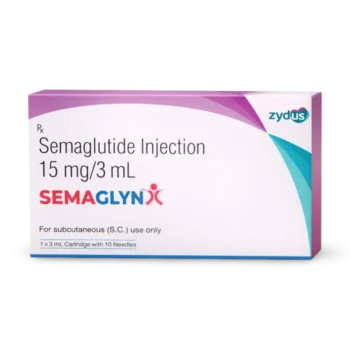
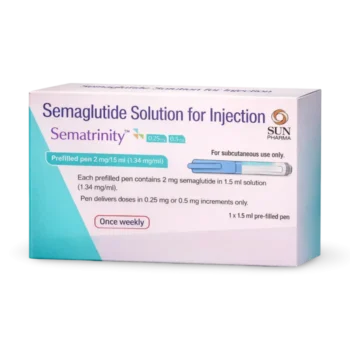
Obesema 0.5 mg Injection is available as a prefilled 4-dose pen in various strengths. You can explore other Semaglutide-based injectables from GMP-certified manufacturers on Cheap Medicine Shop.
View all substitutes
## What are the side effects of Obesema 0.5 mg Injection
Obesema injectables can cause mild side effects, especially during the first 4 weeks or after each dose increase. These include:
Diarrhea
Nausea
Vomiting
Constipation
Stomach pain
Headache
These side effects usually settle as the body adjusts to Semaglutide. In rare cases, it can cause gallbladder problems, kidney stress from dehydration, or inflammation of the pancreas. Seek prompt medical guidance if you notice severe or lasting stomach pain, ongoing vomiting, dehydration, or sudden vision changes.
## Safety Advice
Liver Disease
Routine dose adjustment is usually not required in people with liver issues. However, Obesema 0.5 mg injection should still be used under medical supervision, especially during dose escalation or in the event of persistent symptoms.
Kidney Impairment
Since Semaglutide side effects like nausea, vomiting, or Diarrhea can cause dehydration, it can worsen kidney function. Close monitoring is advised in people with pre-existing kidney disease and those experiencing persistent abdominal pain that spreads to the back.
Pregnant and Breastfeeding women
Obesema should not be used during pregnancy because of possible harm to the developing baby. If you are planning to conceive, Semaglutide should be stopped at least 2 months in advance. Breastfeeding women should use it only under medical supervision because safety data remains limited.
Avoid
Avoid Obesema 0.5 mg Injection if there is a personal or family history of Medullary Thyroid Carcinoma, Multiple Endocrine Neoplasia Syndrome Type 2 (MEN 2), a Semaglutide allergy, severe Gastroparesis, or Pancreatitis. Do not combine with other GLP-1 medications, insulin or sulfonylureas without medical review.
## FAQs
## What is Semaglutide 0.5 mg injectable used for?
Semaglutide 0.5 mg injectable is used weekly for chronic weight management or for blood sugar support in adults with Type 2 Diabetes . At this strength, it is often used as an initial or early-escalated dose rather than as the final maintenance dose.
## How can Obesema GLP-1 injection help reduce appetite?
Obesema GLP-1 injection helps reduce appetite by slowing stomach emptying and acting on appetite-control pathways in the body. This can make you feel full sooner, reduce hunger, and support weight loss when paired with diet and exercise.
## Where should the Obesema 0.5 mg injection be injected?
Obesema 0.5 mg injection is typically administered by a healthcare professional into the skin of your abdomen, thigh, or upper arm. The injection site should be rotated regularly to reduce the risk of redness, soreness, or irritation.
## Is Semaglutide safe while breastfeeding?
Due to limited safety data, Semaglutide may not be safe during breastfeeding. While the injectable form is considered low-risk, oral Semaglutide requires close supervision. It should only be used for Diabetes or weight loss after pregnancy if your doctor explicitly advises it.
## Can Obesema 0.5 mg injection cause Hypoglycemia?
Yes, Obesema 0.5 mg Injection can cause low blood sugar or Hypoglycemia. The risk is higher when combined with insulin or sulfonylureas, without medical review. Make sure to consult your doctor if you notice symptoms such as shakiness, sweating, dizziness, or a fast heartbeat.
## How long do Semaglutide side effects last?
Semaglutide side effects last from 2-3 days to 1-4 weeks, with nausea, vomiting, and Diarrhea improving first. Constipation usually takes longer to settle, often requiring laxatives or stool softeners. The symptoms feel worse in the beginning and after each dose increase.
## How to speed up weight loss on Semaglutide?
You can speed up weight loss on Semaglutide by combining it with a reduced-calorie diet, regular physical activity and good sleep. Follow the prescribed dose escalation and do not take extra doses, as non-adherence to the dosing schedule can worsen side effects.
## What is the long-term risk of Obesema Semaglutide injections?
The most crucial long-term risk of Semaglutide injections is Thyroid C-cell Tumors, as seen in rodent studies. Other concerns associated with long-term or unsupervised use include Gallbladder disease, Pancreatitis, kidney injury from acute dehydration, and worsening diabetic eye disease in some cases.
| Packaging | Qty |
|---|---|
| Delivery Time | 6 To 15 days |


Reviews
There are no reviews yet.