
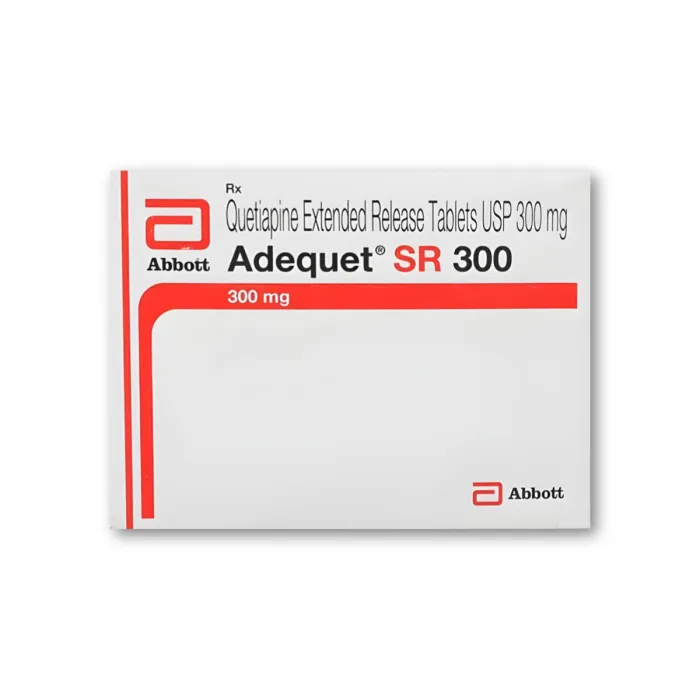
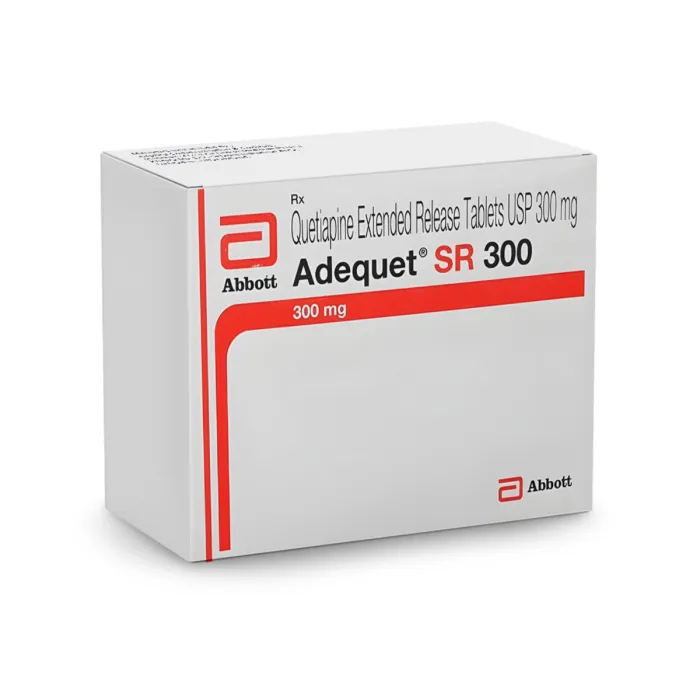
Adequet SR 300 Tablet (Quetiapine)
Price range: $70.55 through $125.63Required
| Pack Size | Price | Unit Price | Quantity | |
|---|---|---|---|---|
| 30 Tablet/s | $70.55 | $2.35 / tablet | ||
| 60 Tablet/s | $102.56 | $1.71 / tablet | ||
| 90 Tablet/s | $125.63 | $1.40 / tablet |
About Adequet SR 300 Tablet (Quetiapine)
Medicine information
- Active ingredient
- Quetiapine fumarate (equivalent to quetiapine 300 mg).
- Delivery time
- United States, United Kingdom, Canada and Australia: typically 10–14 business days after dispatch. Europe: 12–18 business days. Middle East and other supported destinations: 14–21 business days. These are estimated transit times under Cheap Generic Med's shipping model, not guaranteed delivery dates. Customs and local postal delays may extend delivery.
- Indication
- Treatment of schizophrenia and bipolar disorder, including manic, mixed and depressive episodes. Extended-release quetiapine is also used as adjunctive treatment with antidepressants for major depressive disorder, where approved.
- Manufacturer
- Abbott Healthcare (identified for Adequet 300 SR in an institutional product listing).
- Strength
- 300 mg
- Dosage form
- Film-coated sustained-release tablet (SR).
- Route
- Oral.
Medicine overview
Adequet SR 300 Tablet contains quetiapine, an atypical antipsychotic medicine used to manage certain mental health conditions. It is prescribed for conditions such as schizophrenia and bipolar disorder, which can affect mood, thoughts, and behaviour.
The tablet contains 300 mg of quetiapine in a sustained-release formulation. This means the medicine is released gradually rather than all at once. Quetiapine acts on chemical signalling systems in the brain to help control symptoms such as hallucinations, unusual beliefs, severe mood changes, and disturbed thinking. Treatment requires regular medical supervision.
What it is used for
Quetiapine sustained-release tablets are used in the management of several psychiatric conditions.
Schizophrenia: Helps control symptoms such as hallucinations, delusions, and disorganised thinking.
Bipolar disorder: Treats manic or mixed episodes involving unusually elevated or irritable mood, as well as depressive episodes.
Bipolar I maintenance treatment: May be used alongside lithium or divalproex to help maintain mood stability.
Major depressive disorder: Certain extended-release quetiapine products are approved as additional treatment when antidepressant therapy alone is insufficient.
The approved indication, patient age, and treatment regimen depend on the product's regulatory authorisation.
How it works
Quetiapine influences the activity of neurotransmitters, which are chemical messengers that help brain cells communicate. Its effects involve serotonin and dopamine receptors, both of which play important roles in mood, perception, thinking, and behaviour.
By modifying signalling through these receptors, quetiapine can reduce psychotic symptoms and help manage episodes of significant mood disturbance. Its actions on other receptors also contribute to effects such as sleepiness and dizziness.
The sustained-release formulation delivers quetiapine gradually over time, allowing less frequent administration than conventional immediate-release tablets.
How it is taken
Take Adequet SR 300 only as prescribed by a qualified healthcare professional.
Swallow the sustained-release tablet whole with water. Do not crush, chew, split, or dissolve it.
Extended-release quetiapine is generally administered once daily, preferably in the evening.
It is generally taken without food or with a light meal of approximately 300 calories.
Follow the prescribed timing and treatment duration.
Do not take an additional dose to compensate for a missed dose.
Do not stop treatment suddenly without medical guidance. Abrupt discontinuation may cause nausea, vomiting, insomnia, or a return of symptoms.
If treatment has been interrupted for a week or longer, contact the prescriber before restarting.
The prescribed dose depends on the condition being treated, response, other medicines, and individual medical circumstances.
Important warnings
Dementia-related psychosis: Quetiapine is associated with increased mortality in older adults with dementia-related psychosis and is not approved for this indication.
Suicidal thoughts: Antidepressant treatment can increase suicidal thoughts and behaviours in some children, adolescents, and young adults. Monitor for unusual mood or behavioural changes, particularly during early treatment or dose adjustments.
Severe allergic reactions: Do not use quetiapine if there is a known serious allergy to quetiapine or its ingredients.
Neuroleptic malignant syndrome: A rare but potentially life-threatening reaction may cause high fever, severe muscle stiffness, confusion, sweating, and an irregular heartbeat. Seek emergency medical care.
Tardive dyskinesia: Long-term treatment may cause involuntary movements, particularly of the face, tongue, or limbs. Some movements can persist after treatment stops.
Metabolic changes: Quetiapine may increase blood glucose, cholesterol, triglycerides, and body weight. People with diabetes or metabolic risk factors require monitoring.
Low blood pressure: Dizziness and fainting can occur, especially when standing suddenly or during initial treatment.
Heart rhythm problems: Use requires caution in people with QT prolongation, heart disease, electrolyte disturbances, or those taking medicines that affect heart rhythm.
Blood cell abnormalities: Rare reductions in white blood cells can increase susceptibility to infections.
Seizures: Extra caution is needed in patients with a seizure history.
Other medical conditions: Inform the prescriber about liver disease, cataracts, constipation, urinary retention, or other significant health problems.
Drug interactions: Strong CYP3A4 inhibitors, including ketoconazole and clarithromycin, can increase quetiapine exposure. Enzyme-inducing medicines such as carbamazepine, phenytoin, and rifampin can reduce its concentration. Other sedating medicines and antihypertensive drugs may increase adverse effects.
Driving and machinery: Quetiapine can impair alertness and coordination. Avoid hazardous activities until its effects are understood.
Overheating and dehydration: Quetiapine may interfere with the body's ability to regulate temperature.
Do not change treatment or combine quetiapine with other medicines without professional guidance.
Side effects and monitoring
Common side effects:
Sleepiness or sedation
Dizziness
Dry mouth
Constipation
Increased appetite
Weight gain
Fatigue
Headache
Indigestion
Feeling lightheaded when standing
Serious or less common side effects:
Severe muscle stiffness with fever
Uncontrolled movements of the face, tongue, or body
High blood glucose or worsening diabetes
Abnormal heart rhythm
Seizures
Significant reduction in white blood cells
Severe constipation or intestinal complications
Serious allergic reactions
Severe skin reactions
Suicidal thoughts or significant behavioural changes
When medical attention is needed:
Seek urgent medical care for fainting with an irregular heartbeat, seizures, severe allergic symptoms, high fever with muscle rigidity, or thoughts of self-harm.
Contact a healthcare professional promptly if persistent abnormal movements, excessive thirst, frequent urination, unexplained fever, or signs of infection develop.
Monitoring: Healthcare professionals may monitor weight, blood pressure, blood glucose, lipid levels, and changes in mental health symptoms. Additional assessments may be needed depending on age, medical history, and other medicines.
Pregnancy
Quetiapine should be used during pregnancy only after a healthcare professional has assessed the potential benefits and risks. Exposure to antipsychotic medicines during the third trimester may cause temporary movement abnormalities or withdrawal symptoms in newborns, including muscle stiffness, tremors, sleepiness, feeding difficulties, and breathing problems.
Untreated psychiatric illness can also pose risks during pregnancy. Patients who are pregnant or planning pregnancy should discuss their treatment with their prescriber rather than stopping the medicine independently.
Breastfeeding
Quetiapine passes into breast milk in small amounts. Available evidence suggests that infant exposure is generally low, but individual assessment is necessary.
A healthcare professional should consider the mother's treatment needs, the infant's age and health, and potential adverse effects. Breastfed infants may require observation for unusual sleepiness, feeding difficulties, and developmental concerns. Do not discontinue prescribed treatment or breastfeeding without appropriate medical advice.
Food, drink and interactions
Avoid alcohol while taking quetiapine. Alcohol can increase sleepiness, dizziness, impaired coordination, and difficulty concentrating.
Combining alcohol with quetiapine may increase the risk of falls, accidents, and reduced alertness.
Food and drink
Extended-release quetiapine tablets should generally be taken without food or with a light meal of approximately 300 calories. High-fat meals can increase absorption and alter drug exposure.
Avoid grapefruit and grapefruit juice unless the prescriber confirms they are appropriate, because grapefruit can interfere with the enzyme responsible for metabolising quetiapine.
Swallow the tablet whole with water. Do not crush or chew the sustained-release formulation.
Storage
Store quetiapine extended-release tablets at controlled room temperature, generally 20–25°C (68–77°F), with permitted excursions according to the applicable product label.
Protect the tablets from excessive heat and moisture. Keep them in their original packaging and out of the reach of children.
Frequently asked questions
Why does Adequet SR 300 make me feel sleepy?
Sleepiness is a common effect of quetiapine because it acts on brain receptors involved in alertness. The effect may be more noticeable when treatment begins or after dose adjustments. Speak with your prescriber if sedation interferes with daily activities.
Is Adequet SR 300 the same as regular quetiapine tablets?
No. Adequet SR 300 is a sustained-release formulation designed to release quetiapine gradually. Immediate-release tablets release the medicine differently, so the formulations should not be exchanged without medical guidance.
Does quetiapine cause weight gain?
Yes, weight gain can occur during quetiapine treatment. Changes in appetite and metabolism may contribute. Healthcare professionals may monitor weight, blood glucose, and cholesterol during treatment.
How long does quetiapine take to improve symptoms?
Some effects, such as sleepiness, can occur soon after taking the medicine. Improvement in mood or psychotic symptoms may take several days to weeks, depending on the condition. Regular follow-up helps assess treatment response.
Can I stop taking Adequet SR 300 once I feel better?
Do not stop quetiapine without discussing it with your prescriber. Stopping suddenly can cause withdrawal symptoms, including nausea and insomnia, and may allow the original condition to return.
What happens if I miss a dose?
Take the missed dose when remembered unless it is nearly time for the next scheduled dose. Skip the missed dose if the next one is due soon. Do not double doses, and contact your prescriber if several doses have been missed.
Can I take Adequet SR 300 with a heavy dinner?
A heavy meal is not recommended with extended-release quetiapine because it can increase medicine absorption. This formulation is generally taken without food or with a light meal of approximately 300 calories.
Can Cheap Generic Med ship Adequet SR 300 to the United States?
Cheap Generic Med lists the United States among its supported international destinations. Its standard estimated delivery time is 10–14 business days after dispatch, subject to customs and carrier delays. Product-specific availability and compliance with US prescription and import requirements must be confirmed before ordering.
Will my Adequet SR 300 order have tracking and discreet packaging?
Under Cheap Generic Med's standard fulfilment model, tracked international orders are dispatched in plain outer packaging. Tracking information is normally provided after dispatch, and carrier updates may take 24–72 hours to appear. Product-specific packaging and fulfilment arrangements require confirmation.
Do I need a prescription for Adequet SR 300?
Yes. Quetiapine is a prescription medicine and requires medical supervision. Prescription documentation and import requirements depend on the destination country and applicable regulations.
Sources
Medical information notice: This information does not replace advice from a qualified healthcare professional. Use prescription medicine only as directed by the prescriber and the approved product information.
| Packaging | Qty |
|---|---|
| Delivery Time | 6 To 15 days |
Related products

Aerocort Inhaler 50 Mcg + 50 Mcg


Gabapin 300 Mg (Gabapentin)


Gabapin 400 Mg (Gabapentin)


Levipil 500 Mg (Levetiracetam)


Levipil 750 Mg (Levetiracetam)


Oxcarb 150 Mg (Oxcarbazepine)


Oxcarb 300 Mg (Oxcarbazepine)
Reviews
There are no reviews yet.