
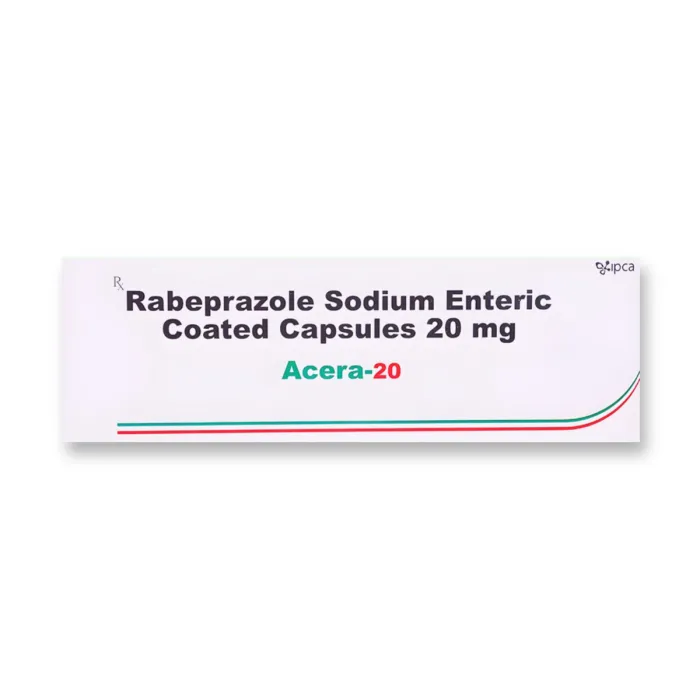
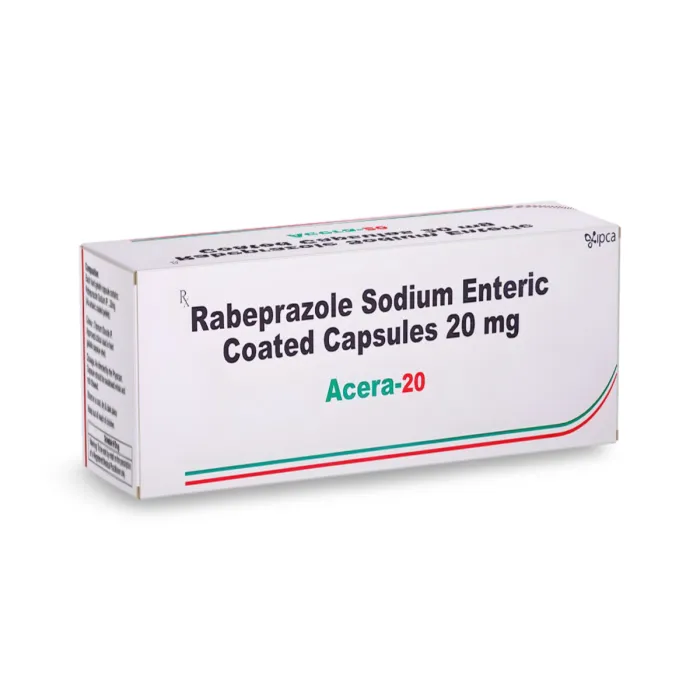
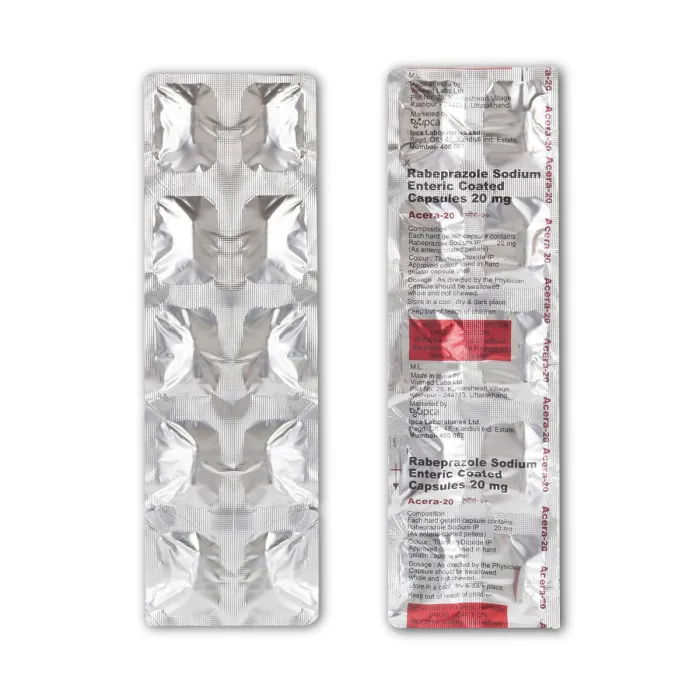
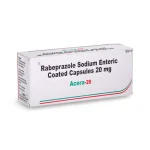
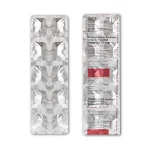
Acera 20 Capsule (Rabeprazole)
Price range: $84.20 through $177.55Required
| Pack Size | Price | Unit Price | Quantity | |
|---|---|---|---|---|
| 100 Capsule/s | $84.20 | $0.84 / capsule | ||
| 200 Capsule/s | $134.39 | $0.67 / capsule | ||
| 300 Capsule/s | $177.55 | $0.59 / capsule |
About Acera 20 Capsule (Rabeprazole)
Medicine information
- Active ingredient
- Rabeprazole sodium
- Indication
- Acid-related gastrointestinal disorders, including gastroesophageal reflux disease (GERD), peptic ulcer disease, and pathological gastric acid hypersecretion such as Zollinger-Ellison syndrome. Rabeprazole may also be used as part of combination treatment for Helicobacter pylori eradication when prescribed with appropriate antibiotics.
- Manufacturer
- Vivimed Labs Ltd (verified manufacturing site for Acera 20 Capsules); marketed by Ipca Laboratories Ltd
- Packaging
- 10 capsules
- Strength
- 20 mg
- Dosage form
- Hard gelatin capsule containing enteric-coated pellets
- Route
- Oral
Medicine overview
Acera 20 Capsule contains rabeprazole sodium 20 mg in an enteric-coated pellet formulation. It belongs to the proton pump inhibitor (PPI) class of medicines, which reduce the amount of acid produced by the stomach. Rabeprazole is used for acid-related conditions such as gastroesophageal reflux disease, peptic ulcer disease, and certain disorders that cause excessive acid production. The Acera brand is listed by Ipca Laboratories as a gastrointestinal medicine supplied in packs of 10 capsules.
What it is used for
Rabeprazole is used to treat symptomatic GERD and to help heal acid-related inflammation or ulceration of the oesophagus. It is also used for duodenal ulcers and pathological hypersecretory conditions such as Zollinger-Ellison syndrome. In appropriate patients, rabeprazole may form part of a combination regimen with antibiotics to eradicate Helicobacter pylori and reduce the risk of recurrent duodenal ulcer disease.
How it works
Rabeprazole is a proton pump inhibitor. After activation in the acid-producing cells of the stomach, it blocks the gastric H+/K+-ATPase enzyme, commonly called the proton pump. This is the final step involved in secreting stomach acid. By suppressing this pump, rabeprazole lowers gastric acidity, which can reduce reflux symptoms and allow acid-damaged tissue in the oesophagus or digestive tract to heal. Acid suppression begins after the first doses and becomes more pronounced with continued treatment.
Important warnings
Do not use rabeprazole if there is a known allergy to rabeprazole, substituted benzimidazoles, or any ingredient in the medicine. Proton pump inhibitors including rabeprazole are contraindicated with rilpivirine-containing medicines because reduced stomach acidity can lower rilpivirine exposure. Important risks include acute tubulointerstitial nephritis, persistent Clostridioides difficile-associated diarrhoea, bone fractures with prolonged or high-dose PPI use, cutaneous or systemic lupus erythematosus, vitamin B12 deficiency with long-term treatment, low magnesium levels, and fundic gland polyps with prolonged use. Warfarin may require INR monitoring, and high-dose methotrexate exposure may increase when taken with a PPI. New or persistent alarm symptoms, including gastrointestinal bleeding, unexplained weight loss, difficulty swallowing, severe persistent diarrhoea, serious rash, reduced urination, or symptoms of a severe allergic reaction, need prompt medical assessment.
Side effects and monitoring
Common adverse effects reported with rabeprazole in adults include abdominal or general pain, sore throat, gas, infection, and constipation; headache, abdominal discomfort, diarrhoea, dizziness, and nausea may also occur. Less common but serious reactions include acute tubulointerstitial nephritis, severe allergic or skin reactions, Clostridioides difficile-associated diarrhoea, low magnesium, blood-cell abnormalities, liver problems, lupus-like reactions, and bone fractures associated with prolonged PPI exposure. People receiving long-term treatment, especially those also taking digoxin or medicines that lower magnesium, may require magnesium monitoring. Warfarin users may require INR and prothrombin-time monitoring. Seek medical attention promptly for severe rash, swelling or breathing difficulty, persistent watery diarrhoea, seizures, abnormal heartbeat, markedly reduced urination, jaundice, or other severe symptoms.
Pregnancy
Human pregnancy data for rabeprazole are insufficient to determine a medicine-associated risk of major birth defects or miscarriage. Animal studies did not show developmental harm at specified exposures, but pregnancy use should still be based on a clinician's assessment of the expected benefit and potential risk.
Breastfeeding
It is not known whether rabeprazole is present in human breast milk or whether it affects a breastfed infant or milk production. Rabeprazole has been detected in rat milk. A healthcare professional should weigh the benefits of breastfeeding, the mother's clinical need for treatment, and any potential risk to the infant.
Frequently asked questions
How quickly does rabeprazole start reducing stomach acid?
Acid suppression begins after the first dose. In clinical pharmacology studies, a measurable effect occurred on the first day and became more pronounced after several days, although symptom improvement can vary between patients.
What should I do if reflux symptoms continue while I am taking rabeprazole?
Do not increase the dose or change treatment on your own. Persistent or worsening symptoms should be reviewed by the prescriber because symptom relief does not rule out other gastrointestinal conditions.
Is it safe to take rabeprazole for a long time?
Long-term treatment may be appropriate for some conditions, but prolonged PPI use is associated with risks including vitamin B12 deficiency, low magnesium, bone fractures, and fundic gland polyps. The need for continued treatment should be reviewed periodically by the prescriber.
Can rabeprazole cause low magnesium?
Yes, although it is uncommon. Low magnesium has been reported after at least three months of PPI treatment and more often after a year or longer; monitoring may be considered in people receiving prolonged treatment or medicines such as digoxin or diuretics.
Can rabeprazole be taken with warfarin?
It can interact with warfarin in some patients. Increased INR and prothrombin time have been reported, so closer laboratory monitoring may be required when the medicines are used together.
Can I take Acera 20 Capsule with food?
NOT VERIFIED
Can I open or crush Acera 20 Capsule?
NOT VERIFIED
What symptoms need urgent medical attention while taking rabeprazole?
Seek urgent medical care for a severe allergic reaction, serious or blistering skin rash, persistent severe diarrhoea, seizures or abnormal heartbeat that could indicate electrolyte disturbance, or symptoms suggesting serious kidney injury.
Sources
Medical information notice: This information does not replace advice from a qualified healthcare professional. Use prescription medicine only as directed by the prescriber and the approved product information.
| Packaging | Qty |
|---|---|
| Delivery Time | 6 To 15 days |
Related products
Balsacol 750 Mg (Balsalazide)

Ciplox OZ 500 Mg/500 Mg Tablet (Ciprofloxacin And Ornidazole)
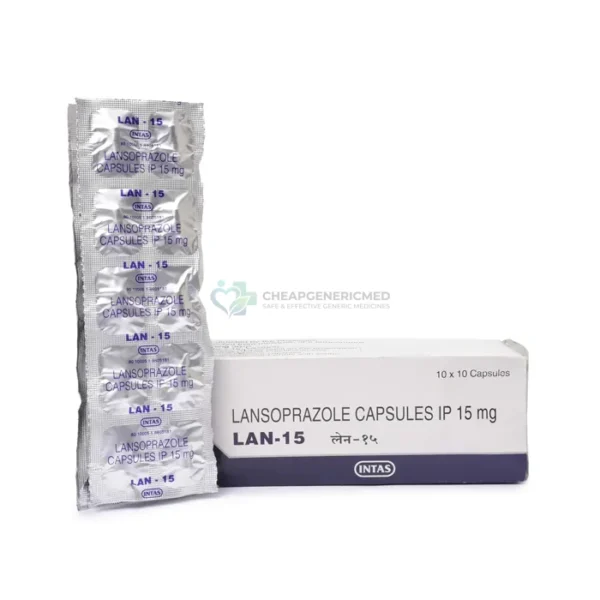
Lan 15 Mg (Lansoprazole)
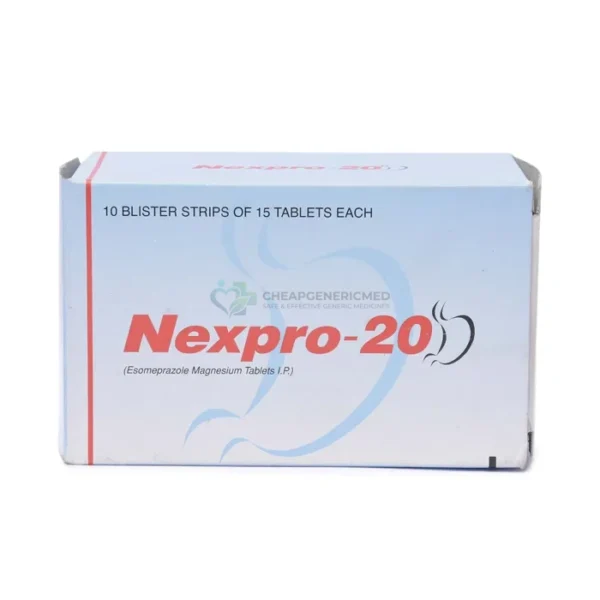
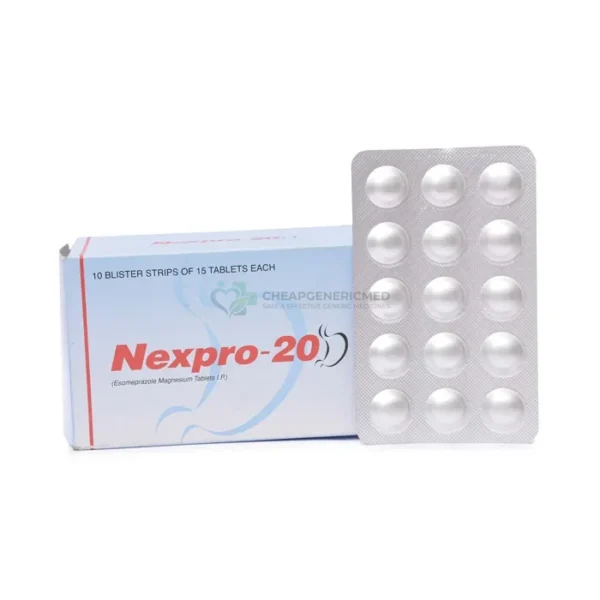
Nexpro 20 Mg (Esomeprazole)
Pantop 40 Mg Injection (Pantoprazole)
Pentaloc D 10 Mg/20 Mg Tablet (Domperidone)
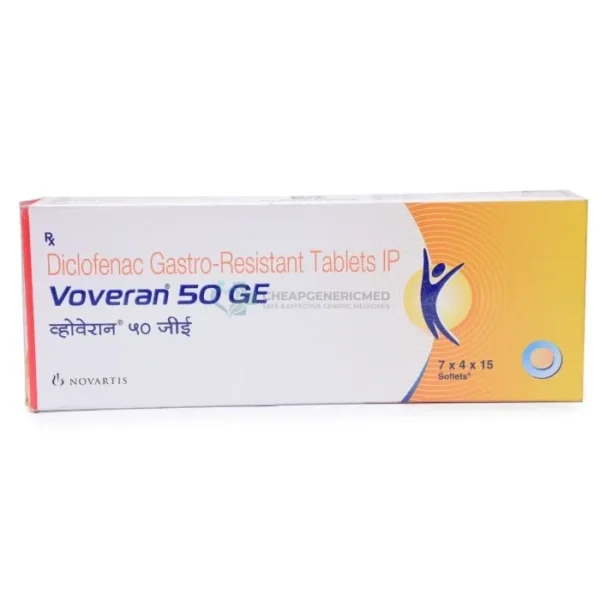
Voveran GE 50 Mg (Diclofenac)


Reviews
There are no reviews yet.