

Accufine 10 Mg Capsule (Isotretinoin)
Price range: $72.00 through $132.00Required
| Pack Size | Price | Unit Price | Quantity | |
|---|---|---|---|---|
| 100 Capsule/s | $72.00 | $0.72 / capsule | ||
| 200 Capsule/s | $104.00 | $0.52 / capsule | ||
| 300 Capsule/s | $132.00 | $0.44 / capsule |
| Packaging | Qty |
|---|---|
| Delivery Time | 6 To 15 days |
About Accufine 10 Mg Capsule (Isotretinoin)
Medicine information
- Active ingredient
- Isotretinoin
- Indication
- Severe recalcitrant nodular acne that has not responded adequately to conventional treatment, including systemic antibiotics.
- Strength
- 10 mg
- Dosage form
- Capsule
- Route
- Oral
Medicine overview
Accufine 10 Mg Capsule is presented as an oral isotretinoin medicine for severe acne. Isotretinoin is a retinoid, a medicine related to vitamin A, that reduces several processes involved in acne formation. Authoritative isotretinoin labeling reserves treatment for severe, persistent nodular acne that has not responded adequately to conventional therapy. Isotretinoin requires medical supervision because it can cause serious adverse effects and is highly harmful to an unborn baby if taken during pregnancy.
What it is used for
Isotretinoin is used to treat severe recalcitrant nodular acne, particularly when adequate courses of conventional treatment, including systemic antibiotics, have not worked. It can reduce severe inflammatory acne and the biological processes that contribute to blocked pores and excessive oil production. Because of its safety risks, isotretinoin is not generally used as a first treatment for mild acne.
How it works
Isotretinoin belongs to the retinoid family and is closely related to vitamin A. It acts on several processes involved in acne. In particular, it substantially reduces activity of the sebaceous glands and the amount of sebum, or skin oil, they produce. It also affects the formation of keratin within hair follicles, helping reduce blocked pores. These combined effects make the skin environment less favorable for the inflammation and follicular blockage associated with severe acne.
How it is taken
Take isotretinoin capsules by mouth exactly as prescribed. The appropriate dose and treatment duration depend on the individual and must be determined by the prescriber; do not create or change a dosing schedule yourself. Administration with food can depend on the specific isotretinoin formulation, so follow the product leaflet and prescriber's instructions. If a dose is missed, authoritative labeling advises skipping the missed dose rather than taking two doses together.
Important warnings
Isotretinoin must not be used during pregnancy because exposure can cause severe, potentially life-threatening birth defects, miscarriage, premature birth, or fetal death. Do not take it with tetracycline antibiotics or vitamin A supplements unless specifically directed by the treating clinician. Important risks include psychiatric symptoms, intracranial hypertension, pancreatitis, high triglycerides, liver injury, serious skin reactions, hearing or vision problems, inflammatory bowel disease, and musculoskeletal effects. Seek prompt medical attention for severe headache with visual disturbance, severe abdominal pain, jaundice, severe skin blistering or peeling, major mood or behavioral changes, suicidal thoughts, or serious allergic symptoms. Blood donation should be avoided during treatment and for at least one month afterward.
Side effects and monitoring
Common effects include very dry or chapped lips, dry skin, dry eyes, nose dryness or nosebleeds, and musculoskeletal discomfort. More serious problems can include liver injury, marked increases in triglycerides, pancreatitis, psychiatric symptoms, severe skin reactions, intracranial hypertension, and hearing or visual changes. Seek medical attention for severe or unusual symptoms, particularly severe headache with vision changes, significant mood or behavioral changes, severe abdominal symptoms, jaundice, or a serious skin reaction. Liver function and fasting lipid levels, including triglycerides, should be assessed as clinically required; pregnancy monitoring is essential for patients who can become pregnant.
Pregnancy
Contraindicated in pregnancy. Isotretinoin is highly teratogenic and can cause severe birth defects, miscarriage, premature birth, or fetal death even with short exposure. Patients who can become pregnant require strict pregnancy-prevention measures and appropriate pregnancy testing according to the applicable prescribing program. If pregnancy occurs or is suspected during treatment, isotretinoin should be stopped and urgent medical advice obtained.
Breastfeeding
Breastfeeding is not recommended while taking isotretinoin. Authoritative patient guidance also advises against breastfeeding for one month after stopping treatment.
Food, drink and interactions
It is best to avoid alcohol during isotretinoin treatment because both alcohol and isotretinoin can affect the liver, and isotretinoin can also increase blood triglycerides. Discuss alcohol use with the prescriber, particularly if liver tests or triglyceride levels are abnormal.
Food and drink
Normal foods can generally be eaten during isotretinoin treatment. The effect of food on absorption differs between isotretinoin formulations, so follow the instructions supplied with the specific product rather than assuming all brands are interchangeable. Avoid vitamin A supplements unless specifically advised because combining them with isotretinoin can increase vitamin A-related adverse effects.
Frequently asked questions
Is it normal for acne to get worse after starting isotretinoin?
Acne can sometimes worsen during the early part of treatment before improving. Do not change the dose yourself if this happens; discuss significant or persistent worsening with the treating dermatologist.
Are dry lips and dry skin normal with isotretinoin?
Yes. Dry or chapped lips and dry skin are among the commonly reported effects of isotretinoin. Tell your clinician if dryness becomes severe, painful, or difficult to manage.
Do I need to take isotretinoin with fatty food?
It depends on the formulation. Food affects the absorption of some isotretinoin products differently from others, so follow the instructions for the exact product prescribed rather than applying advice from another brand.
Can I drink alcohol while taking isotretinoin?
It is best to avoid alcohol because isotretinoin and alcohol can both affect the liver, and isotretinoin can increase triglycerides. Discuss alcohol use with your prescriber.
Why do I need blood tests while taking isotretinoin?
Isotretinoin can affect liver function and blood fats, particularly triglycerides. Liver function and fasting lipid tests are therefore used before treatment and may be repeated during treatment as clinically appropriate.
Can I take doxycycline or other tetracycline antibiotics with isotretinoin?
Concomitant tetracycline treatment should be avoided. Combining tetracyclines with isotretinoin increases concern for intracranial hypertension, which can cause symptoms such as severe headache and visual disturbance.
Can I take vitamin A supplements while using isotretinoin?
No, unless your prescriber specifically tells you to. Vitamin A supplements can add to isotretinoin's retinoid effects and increase the risk of adverse reactions.
Can isotretinoin be used during pregnancy?
No. Isotretinoin is contraindicated during pregnancy because it can cause severe birth defects, miscarriage, premature birth, and fetal death. Strict pregnancy-prevention requirements apply to patients who can become pregnant.
Is isotretinoin a prescription medicine?
Yes. Isotretinoin is a prescription medicine and requires medical supervision because of its significant safety risks and monitoring requirements.
Sources
Medical information notice: This information does not replace advice from a qualified healthcare professional. Use prescription medicine only as directed by the prescriber and the approved product information.
Related products

Acnesol A Nano Gel (Adapalene Topical)
Acnesol CL Gel (Clarithromycin Topical)

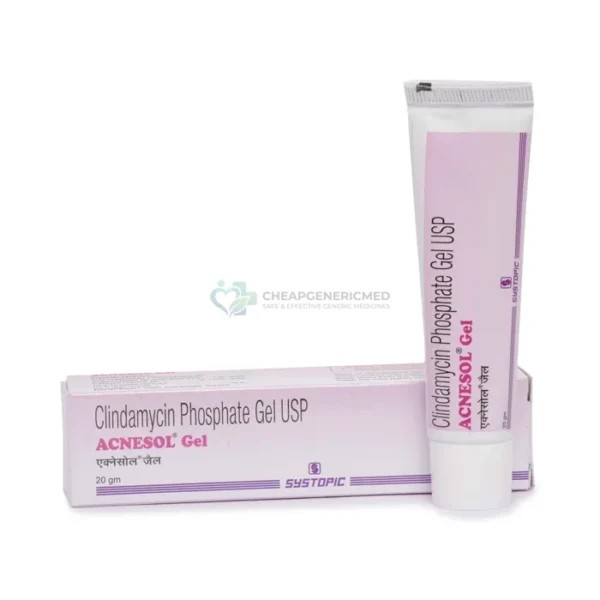
Acnesol Gel 1% (20 gm)

Acnevit Anti Acne Facial Cleansing Gel (Sodium Ascorbyl Phosphate)

Aziderm Cream 20% (15 gm)


Benzac AC 5% Gel (Benzoyl Peroxide)
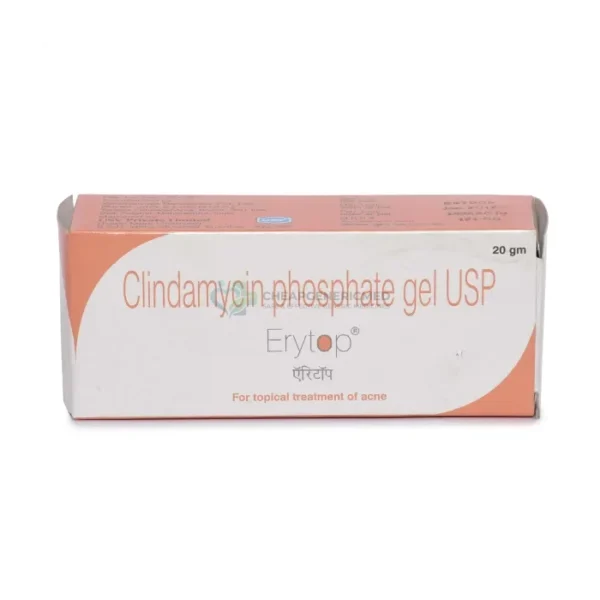
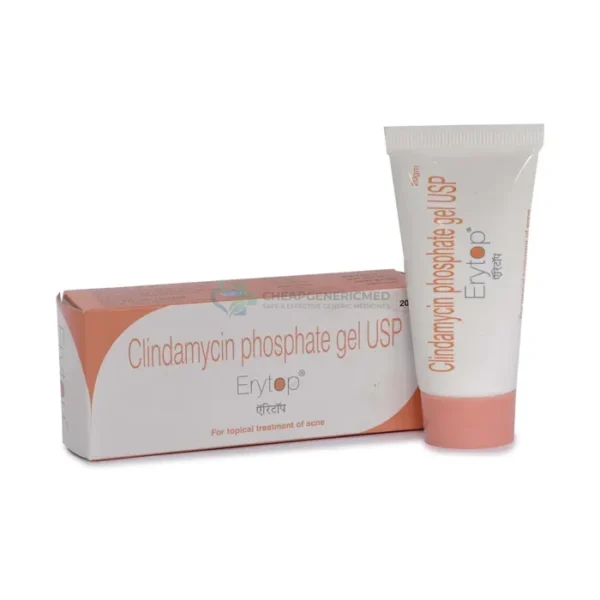
Erytop 1% Gel 20 gm (Clindamycin Phosphate Gel)
Reviews
There are no reviews yet.