
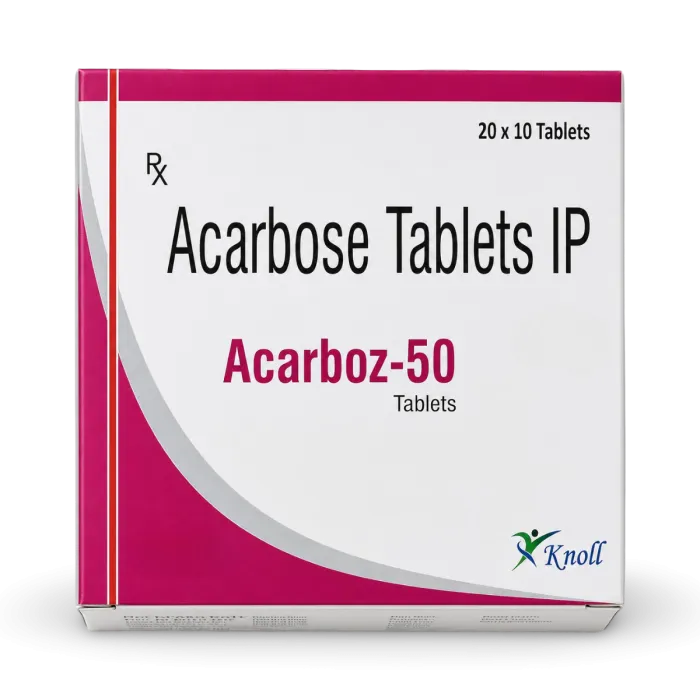


Acarboz 50mg Tablet (Acarbose)
Price range: $46.40 through $74.20Required
| Pack Size | Price | Unit Price | Quantity | |
|---|---|---|---|---|
| 30 Tablet/s | $46.40 | $1.55 / tablet | ||
| 60 Tablet/s | $61.10 | $1.02 / tablet | ||
| 90 Tablet/s | $74.20 | $0.82 / tablet |
| Packaging | Qty |
|---|---|
| Delivery Time | 6 To 15 days |
About Acarboz 50mg Tablet (Acarbose)
Medicine information
- Delivery time
- United States, United Kingdom, Canada, and Australia: typically 10–14 business days after dispatch, with a planning window of up to 30 days including possible customs delays. Other destinations vary according to the approved international shipping framework.
- Indication
- Adjunct to diet and exercise to improve glycemic control in adults with type 2 diabetes mellitus.
- Packaging
- ALU pack, 20 × 10 tablets.
- Strength
- 50 mg
Medicine overview
Acarboz 50mg Tablet contains 50 mg of acarbose, an oral alpha-glucosidase inhibitor used in adults with type 2 diabetes. It works mainly in the intestine, where it slows the digestion of carbohydrates and reduces the sharp rise in blood glucose that can occur after meals. The medicine is used alongside appropriate diet and exercise and may be prescribed with other diabetes medicines when clinically appropriate.
What it is used for
Acarboz 50mg Tablet is used to help control blood glucose in adults with type 2 diabetes mellitus. Acarbose primarily reduces post-meal rises in blood glucose by delaying carbohydrate digestion. It is used as part of diabetes management together with diet and exercise and may be combined with other glucose-lowering medicines when prescribed.
How it works
Acarbose inhibits alpha-glucosidase enzymes in the small intestine. These enzymes normally help break carbohydrates into sugars that can be absorbed into the bloodstream. By slowing this process, acarbose delays carbohydrate digestion and absorption, producing a smaller rise in blood glucose after eating. Its effect therefore depends on being taken at the start of a meal containing carbohydrates.
How it is taken
Take acarbose by mouth at the start of a main meal, with the first bite of food. The dose and frequency must follow the prescriber's instructions because acarbose treatment is individualized according to blood-glucose response and gastrointestinal tolerance. Continue the diet, exercise, and glucose-monitoring plan recommended for diabetes management.
Important warnings
Do not use acarbose in people with hypersensitivity to acarbose, diabetic ketoacidosis, cirrhosis, inflammatory bowel disease, colonic ulceration, partial intestinal obstruction or a predisposition to obstruction, significant disorders of intestinal digestion or absorption, or conditions that could worsen because of increased intestinal gas. Treatment is not recommended in significant renal dysfunction because adequate long-term studies are lacking. When acarbose is combined with insulin or a sulfonylurea, hypoglycemia can occur; oral glucose (dextrose), rather than ordinary table sugar (sucrose), should be used for rapid treatment of mild-to-moderate hypoglycemia. Intestinal adsorbents such as charcoal and carbohydrate-splitting digestive enzymes can reduce acarbose's effect. Rare serious reactions include hepatitis or jaundice, intestinal obstruction, severe hypersensitivity reactions, thrombocytopenia, and pneumatosis cystoides intestinalis.
Side effects and monitoring
Common effects are gastrointestinal and include flatulence, diarrhea, abdominal discomfort or pain, and bloating; these effects often become less troublesome with continued treatment. Less common or serious reported effects include elevated liver enzymes, jaundice or hepatitis, allergic skin reactions, edema, thrombocytopenia, ileus or intestinal obstruction, and pneumatosis cystoides intestinalis. Seek medical attention for jaundice, severe or persistent abdominal symptoms, rectal bleeding, severe allergic symptoms, or suspected intestinal obstruction. Blood glucose and HbA1c should be monitored during treatment. Liver transaminase monitoring is also recommended, particularly during the first year of therapy.
Pregnancy
Safety in pregnant women has not been established. Acarbose should be used during pregnancy only when clearly needed and under medical supervision; diabetes during pregnancy requires careful glucose management.
Breastfeeding
It is not known whether acarbose is excreted in human milk. The prescribing information advises that acarbose should not be administered to a nursing woman.
Food, drink and interactions
Alcohol can lower blood glucose and may make diabetes control less predictable. Ask a healthcare professional about whether alcohol is appropriate while taking acarbose, particularly when other glucose-lowering medicines are also being used.
Food and drink
Take acarbose with the first bite of each main meal. Continue the dietary plan recommended for diabetes because not following the prescribed diet can worsen gastrointestinal side effects. If hypoglycemia develops while acarbose is being used with insulin or a sulfonylurea, use glucose/dextrose rather than sucrose-containing table sugar for rapid correction.
Storage
Store in a cool, dark, dry place and protect from light. Keep out of the reach of children.
Frequently asked questions
Why does acarbose cause so much gas or bloating?
Acarbose leaves more undigested carbohydrate in the lower intestine, where intestinal bacteria can produce gas. Flatulence, diarrhea, and abdominal discomfort are among its most common side effects and often lessen over time.
Do I need to take Acarboz with food?
Yes. Acarbose should be taken at the start of a main meal, with the first bite of food, so it can slow the digestion of carbohydrates from that meal.
Can acarbose cause low blood sugar?
Acarbose used alone does not usually cause hypoglycemia, but the risk increases when it is combined with insulin or a sulfonylurea. If low blood sugar occurs in this situation, glucose or dextrose should be used rather than ordinary table sugar because acarbose delays sucrose breakdown.
What should I do if the stomach side effects become severe?
Contact your healthcare professional if abdominal discomfort, diarrhea, or other intestinal symptoms become persistent or strongly distressing. Severe abdominal pain, marked swelling, constipation with concerning symptoms, or rectal bleeding needs prompt medical assessment.
Does acarbose affect the liver?
Liver-enzyme elevations can occur, and rare cases of serious liver injury have been reported. Periodic liver-function monitoring is recommended during treatment, particularly during the first year.
How is blood sugar monitored while taking acarbose?
Periodic blood-glucose testing is used to assess response, and HbA1c is recommended for monitoring longer-term glucose control. Your healthcare professional determines the appropriate monitoring schedule.
Can Cheap Generic Med ship Acarboz 50mg Tablet to the United States?
Cheap Generic Med serves the United States under its international shipping model. Delivery is typically estimated at 10–14 business days after dispatch, although customs or carrier delays can extend transit; prescription and personal-import requirements may also apply.
Will my Cheap Generic Med order have tracking?
Tracked international shipping is used under the standard fulfilment model. A tracking number should be provided after dispatch, although carrier systems may take 24–72 hours to begin showing movement.
Sources
Medical information notice: This information does not replace advice from a qualified healthcare professional. Use prescription medicine only as directed by the prescriber and the approved product information.
Related products
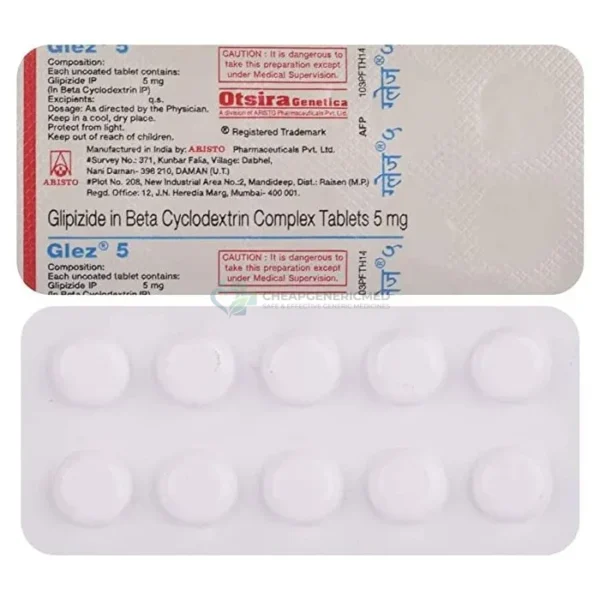
Glez 5 Mg (Glipizide)


GLIZID 80 Mg (Gliclazide)
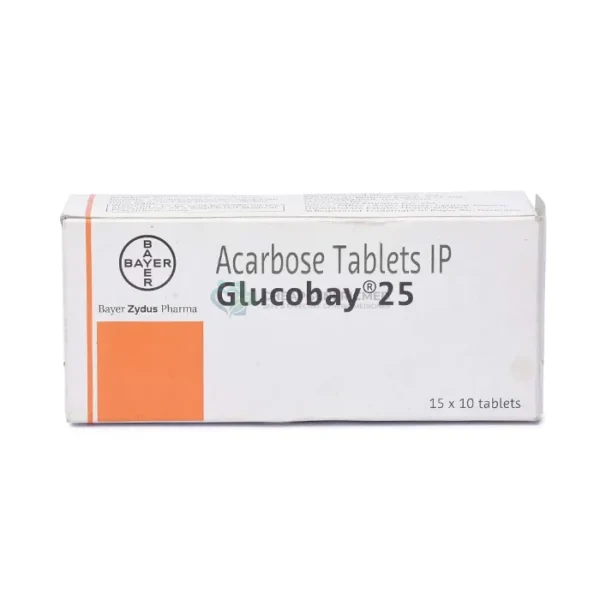
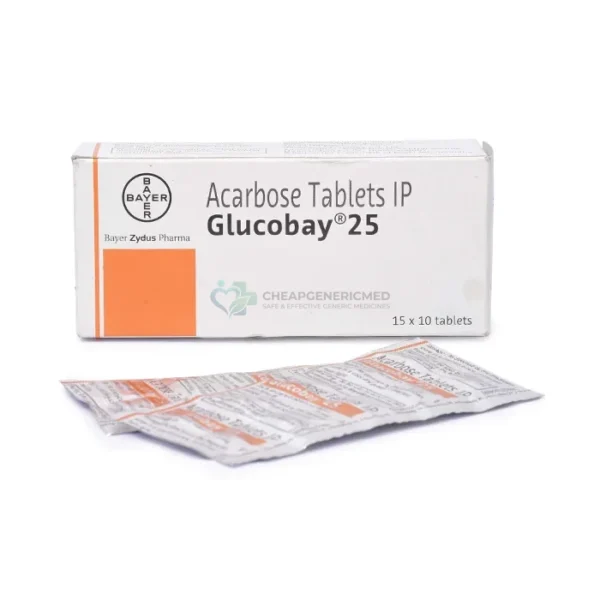
Glucobay 25 Mg (Acarbose)


Glucobay 50 Mg (Acarbose)


Glypride 4 Mg (Glimepiride)


Januvia 50 Mg (Sitagliptin)

PGlitz 30 Mg (Pioglitazone)


Reviews
There are no reviews yet.