


Acarboz 25 Mg (Acarbose)
Price range: $41.40 through $60.70Required
| Pack Size | Price | Unit Price | Quantity | |
|---|---|---|---|---|
| 30 Tablet/s | $41.40 | $1.38 / tablet | ||
| 60 Tablet/s | $51.60 | $0.86 / tablet | ||
| 90 Tablet/s | $60.70 | $0.67 / tablet |
| Packaging | Qty |
|---|---|
| Delivery Time | 6 To 15 days |
About Acarboz 25 Mg (Acarbose)
Medicine information
- Active ingredient
- Acarbose
- Delivery time
- 10-14 business days after dispatch for the United States, United Kingdom, Canada, and Australia; other destinations vary under the store shipping framework. Delivery estimates are not guaranteed and may be extended by customs or local carrier delays.
- Indication
- Adjunct to diet and exercise to improve glycemic control in adults with type 2 diabetes mellitus.
- Manufacturer
- Knoll Healthcare Pvt. Ltd.
- Packaging
- Strip of 10 tablets
- Strength
- 25 mg
- Dosage form
- Tablet
- Route
- Oral
Medicine overview
Acarboz 25 Mg is an oral diabetes medicine containing 25 mg of acarbose. It belongs to the alpha-glucosidase inhibitor class and is used to help control blood glucose in adults with type 2 diabetes. Acarbose acts mainly in the intestine, where it slows the digestion of carbohydrates. This reduces the sharp rise in blood glucose that can occur after meals. The medicine is intended to be used alongside an appropriate diet and exercise plan.
What it is used for
Acarboz 25 Mg is used to improve blood glucose control in adults with type 2 diabetes mellitus. It particularly targets the increase in glucose that occurs after eating. Acarbose may be used as part of diabetes management alongside diet and exercise and, when prescribed, may also be combined with other glucose-lowering medicines such as metformin, a sulfonylurea, or insulin.
How it works
Acarbose slows carbohydrate digestion by reversibly inhibiting alpha-glucosidase enzymes in the intestine and pancreatic alpha-amylase. These enzymes normally help break complex carbohydrates into smaller sugars that can be absorbed. By delaying this process, acarbose slows glucose absorption and reduces the rise in blood glucose after a meal. It does not work by stimulating the pancreas to release more insulin.
How it is taken
Take Acarboz orally exactly as prescribed, at the start of a main meal with the first bite of food. Acarbose dosing must be individualized according to effectiveness and gastrointestinal tolerance. Continue the diet, exercise, and blood-glucose monitoring plan advised by the healthcare professional. Do not independently increase, decrease, or otherwise change the prescribed regimen.
Important warnings
Do not use acarbose in people with hypersensitivity to acarbose, diabetic ketoacidosis, cirrhosis, inflammatory bowel disease, colonic ulceration, partial intestinal obstruction or a predisposition to obstruction. It is also contraindicated in chronic intestinal disorders causing substantial problems with digestion or absorption and conditions that could worsen because of increased intestinal gas. Significant renal dysfunction is an important precaution. Acarbose can increase the risk of hypoglycemia when combined with insulin or sulfonylureas. If this occurs, oral glucose (dextrose) should be used rather than ordinary table sugar (sucrose), because acarbose delays sucrose breakdown. Intestinal adsorbents such as charcoal and digestive enzyme preparations containing carbohydrate-splitting enzymes can reduce its effect. Acarbose can alter digoxin bioavailability. Liver enzyme elevations and rare serious hepatic reactions have been reported.
Side effects and monitoring
Common adverse effects are gastrointestinal, particularly flatulence, diarrhea, and abdominal discomfort or pain. These effects are related to undigested carbohydrates reaching the lower intestine and may become more troublesome when the recommended diet is not followed. Less common or serious reported effects include elevated liver enzymes, jaundice or hepatitis, hypersensitivity skin reactions, edema, thrombocytopenia, ileus or subileus, and rare pneumatosis cystoides intestinalis. Seek medical attention for jaundice or other signs of liver problems, severe or persistent abdominal symptoms, rectal bleeding, severe allergic symptoms, or severe hypoglycemia. Blood glucose and HbA1c should be monitored during treatment; periodic liver-function monitoring may also be required.
Pregnancy
The safety of acarbose during human pregnancy has not been established adequately. The prescribing information states that it should be used during pregnancy only if clearly needed. Diabetes during pregnancy requires careful medical management because abnormal blood glucose itself can harm maternal and fetal health.
Breastfeeding
It is not known whether acarbose is excreted in human milk. Available prescribing information advises that acarbose should not be administered to a nursing woman.
Food, drink and interactions
Alcohol can lower blood glucose and may complicate diabetes control. Ask a healthcare professional about whether alcohol is appropriate while taking acarbose, particularly when other glucose-lowering medicines are also being used.
Food and drink
Acarbose should be taken at the start of a main meal, with the first bite of food. Follow the prescribed diabetes diet because dietary non-adherence can increase gastrointestinal adverse effects. If hypoglycemia develops while acarbose is being used with insulin or a sulfonylurea, use glucose (dextrose) rather than sucrose-containing table sugar for rapid correction.
Storage
Store below 25°C (77°F) and protect from moisture.
Frequently asked questions
Why does acarbose cause so much gas or bloating?
Acarbose delays carbohydrate digestion, so more undigested carbohydrate can reach the lower intestine, where intestinal bacteria produce gas. Flatulence, diarrhea, and abdominal discomfort are among its most common side effects.
Do I really need to take acarbose with the first bite of food?
Yes. Acarbose is intended to act on carbohydrates as a meal is being digested, so it should be taken at the start of a main meal with the first bite.
Can acarbose cause low blood sugar?
Acarbose used by itself generally does not cause hypoglycemia, but the risk can increase when it is combined with insulin or a sulfonylurea. Patients using these combinations should know how to recognize and manage low blood glucose.
Why should I use glucose rather than table sugar if my blood sugar becomes low?
Acarbose delays the breakdown of sucrose, or ordinary table sugar. Glucose (dextrose) can be absorbed directly and is therefore recommended for treating mild to moderate hypoglycemia associated with acarbose plus insulin or a sulfonylurea.
Will the stomach side effects get better with time?
They may. Gastrointestinal effects such as gas, diarrhea, and abdominal discomfort are often most noticeable during the first weeks of treatment and may decrease with continued use. Persistent or severe symptoms should be discussed with the prescriber.
Does acarbose need blood tests while I am taking it?
Yes, monitoring is part of treatment. Blood glucose and HbA1c are used to assess diabetes control, and liver enzymes may need periodic monitoring because elevations have occurred during acarbose treatment.
Can I drink alcohol while taking acarbose?
Alcohol can lower blood glucose and interfere with diabetes management. Ask your healthcare professional what amount, if any, is appropriate for you, especially if you also use insulin or another medicine that can cause hypoglycemia.
Can Cheap Generic Med ship Acarboz 25 Mg to the United States?
Cheap Generic Med serves the United States under its international shipping model. Delivery is typically estimated at 10-14 business days after dispatch, although customs or carrier delays can extend transit; prescription and import requirements may also apply.
Will my Acarboz order have tracking?
Under the standard Cheap Generic Med fulfilment model, tracked international shipping is used and a tracking number should be provided after dispatch. New tracking numbers may take 24-72 hours to begin showing movement in the carrier system.
Sources
Medical information notice: This information does not replace advice from a qualified healthcare professional. Use prescription medicine only as directed by the prescriber and the approved product information.
Related products


GLIZID 80 Mg (Gliclazide)


Glucobay 50 Mg (Acarbose)

Glycomet 1000 Mg (Metformin Hcl)
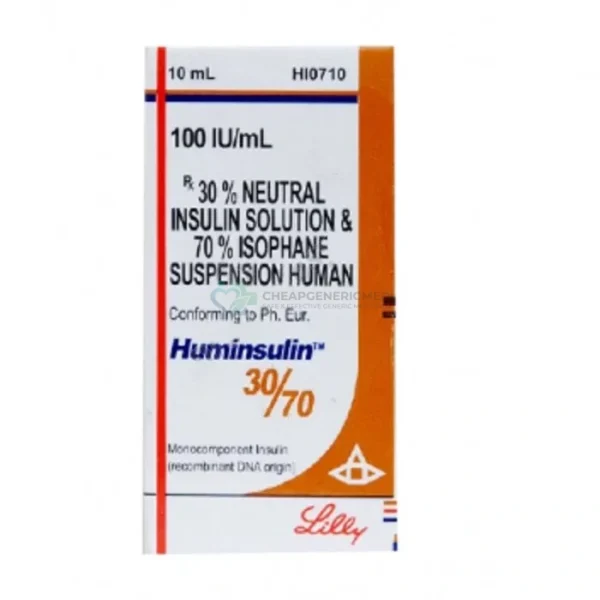
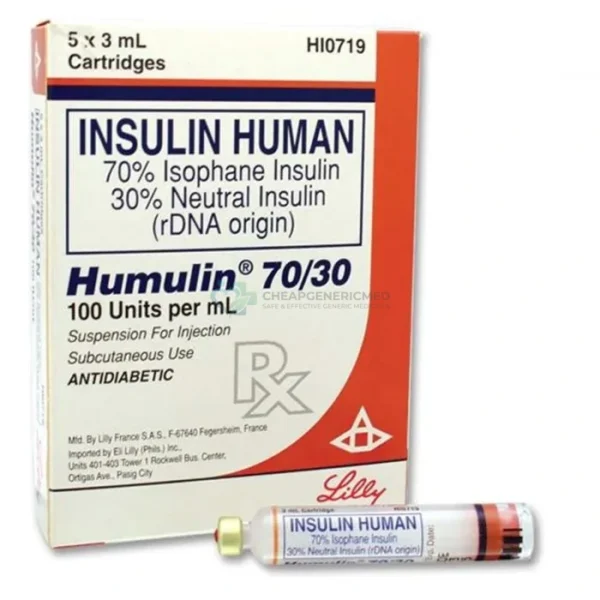
Huminsulin 30/70 100IU/ml Cartridge 3ml (Human Insulin Regular Human Insuline Isophane)
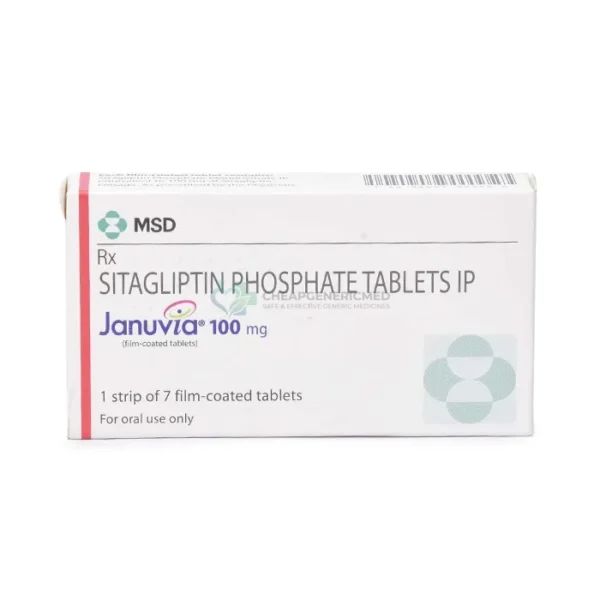
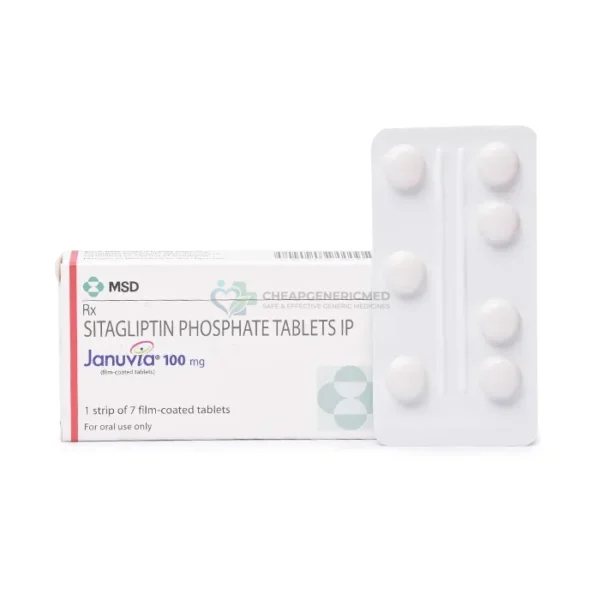
Januvia 100 Mg (Sitagliptin)


Januvia 50 Mg (Sitagliptin)

PGlitz 30 Mg (Pioglitazone)


Reviews
There are no reviews yet.