
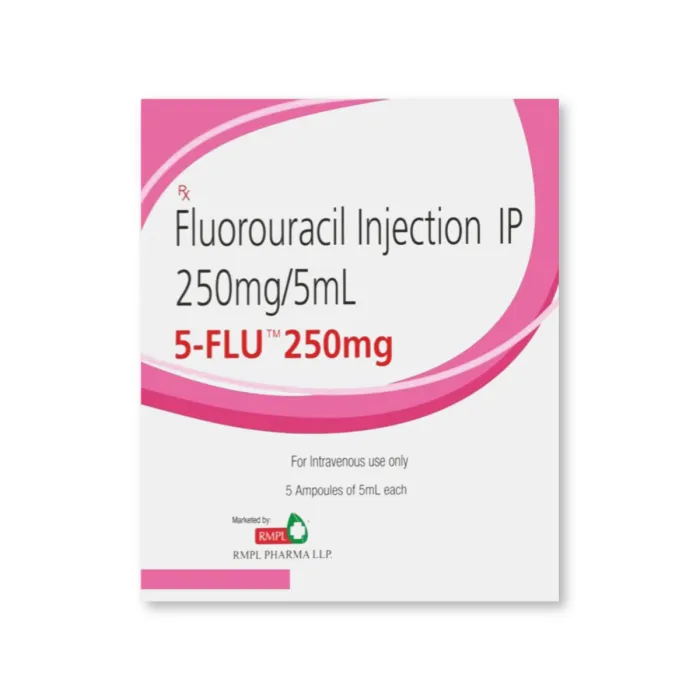
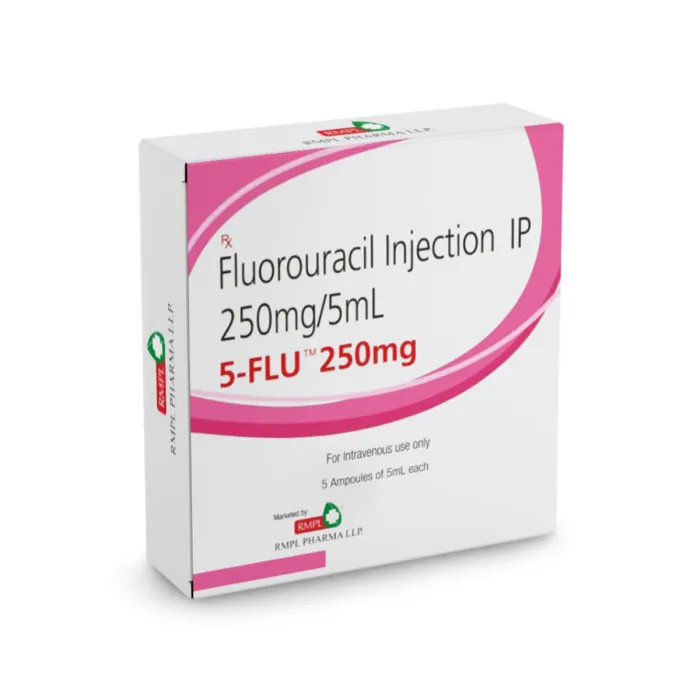
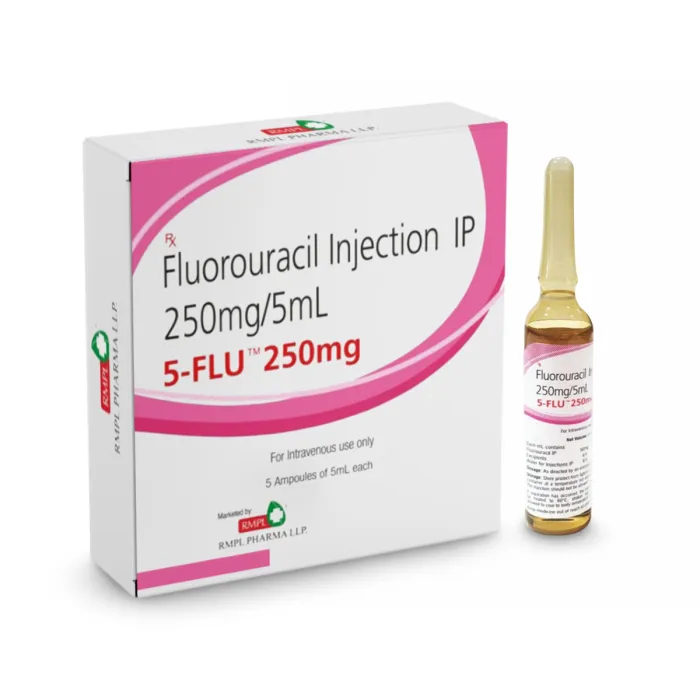


5FU Cbc 250 Mg Injection (5-Fluorouracil)
Price range: $56.79 through $99.91Required
| Pack Size | Price | Unit Price | Quantity | |
|---|---|---|---|---|
| 30 Injection | $56.79 | $1.89 / injection | ||
| 60 Injection | $80.89 | $1.35 / injection | ||
| 90 Injection | $99.91 | $1.11 / injection |
About 5FU Cbc 250 Mg Injection (5-Fluorouracil)
Medicine information
- Active ingredient
- Fluorouracil
- Indication
- Fluorouracil injection is an antineoplastic chemotherapy medicine used in established treatment regimens for adenocarcinoma of the colon and rectum, breast, stomach, and pancreas.
- Strength
- 250 mg
- Dosage form
- Solution for injection
- Route
- Intravenous
Medicine overview
5FU Cbc 250 Mg Injection contains 250 mg of fluorouracil, also called 5-fluorouracil or 5-FU. Fluorouracil is an antimetabolite chemotherapy medicine that interferes with processes cancer cells need to grow and divide. Injectable fluorouracil is administered into a vein by trained healthcare professionals and is used as part of treatment regimens for several cancers, including colorectal, breast, stomach, and pancreatic cancers. The exact manufacturer and packaging of the named “5FU Cbc” product could not be reliably verified.
What it is used for
Fluorouracil injection is used in cancer chemotherapy, commonly in combination with other anticancer medicines. Established indications include adenocarcinoma of the colon and rectum, breast, stomach, and pancreas. The precise regimen varies according to the cancer being treated and other clinical factors, so fluorouracil injection must be administered under specialist oncology supervision.
How it works
Fluorouracil is a nucleoside metabolic inhibitor, a type of antimetabolite chemotherapy. Inside cells, it is converted into active metabolites that interfere with the production and function of DNA and RNA. These processes are necessary for cells to reproduce and function normally. Because many cancer cells divide rapidly, disrupting DNA and RNA formation can slow their growth and lead to cell death. Fluorouracil can also affect healthy rapidly dividing cells, which accounts for several of its important adverse effects.
How it is taken
Fluorouracil injection is given intravenously by a doctor, nurse, or other appropriately trained healthcare professional in a medical facility. Depending on the prescribed cancer regimen, intravenous fluorouracil may be administered by injection or infusion. The dose and treatment schedule depend on the cancer regimen and the patient's clinical response; they should not be determined or changed without the treating oncology team. Blood tests are required during treatment. Current U.S. labeling recommends testing for relevant DPYD genetic variants before starting fluorouracil unless immediate treatment is necessary.
Important warnings
Fluorouracil can cause severe or fatal toxicity in people with complete dihydropyrimidine dehydrogenase (DPD) deficiency. Current U.S. labeling recommends DPYD genetic testing before treatment unless immediate therapy is necessary and advises avoiding fluorouracil in patients with certain variants resulting in complete DPD deficiency. Other major risks include severe bone-marrow suppression, severe diarrhea and mucositis, hand-foot syndrome, neurologic toxicity, hyperammonemic encephalopathy, and cardiotoxicity including angina, myocardial ischemia or infarction, arrhythmias, and heart failure. Warfarin and related anticoagulants require close coagulation monitoring because fluorouracil can substantially increase INR. Seek urgent medical attention for chest pain, severe or persistent diarrhea or vomiting, severe mouth sores, fever or signs of infection, unusual bleeding, marked confusion or other neurologic changes, or an unexpectedly severe early reaction.
Side effects and monitoring
Commonly reported effects include nausea, loss of appetite, tiredness or weakness, dizziness, headache, hair loss, skin changes, watery or light-sensitive eyes, and injection-site reactions. Important serious effects include severe diarrhea or vomiting, mouth and throat sores, hand-foot syndrome, bone-marrow suppression with neutropenia, anemia or thrombocytopenia, infection, unusual bleeding, cardiotoxicity, neurologic toxicity, and severe reactions associated with DPD deficiency. Complete blood counts should be checked before treatment cycles and at intervals appropriate to the regimen. Fever, chest pain, severe diarrhea, significant mouth sores, unusual bleeding, breathing difficulty, confusion, or other severe symptoms require prompt medical assessment.
Pregnancy
Fluorouracil can cause fetal harm because of its mechanism of action. Pregnancy should be avoided during treatment, and patients who are pregnant or could become pregnant should discuss the risks and appropriate contraception with their oncology team. If pregnancy occurs during treatment, the treating healthcare professional should be contacted promptly.
Breastfeeding
Breastfeeding is not recommended during fluorouracil treatment because of the potential for serious adverse reactions in a nursing infant. U.S. prescribing information advises discontinuing nursing or discontinuing fluorouracil, taking into account the importance of treatment to the mother.
Food and drink
No specific routine dietary restriction is established in the patient information reviewed. Unless the treating healthcare professional advises otherwise, patients may continue their normal diet. Cancer treatment can affect appetite, hydration, and gastrointestinal function, so individual dietary instructions from the oncology team should be followed.
Storage
Product-specific storage for the exact 5FU Cbc 250 Mg Injection could not be verified.
Frequently asked questions
What should I expect when I start 5-FU chemotherapy?
Effects vary with the cancer regimen and other medicines being given. Nausea, reduced appetite and fatigue can occur, while severe diarrhea, mouth sores, fever, chest pain or unexpectedly severe early toxicity should be reported promptly to the oncology team.
Why does my oncology team check blood counts during 5-FU treatment?
Fluorouracil can suppress the bone marrow and lower neutrophils, platelets and red blood cells. Blood counts help the treatment team identify potentially serious myelosuppression.
Can 5-FU cause mouth sores or severe diarrhea?
Yes. Mucositis, which means inflammation and sores of the mouth or digestive tract, and diarrhea are important fluorouracil toxicities. Severe symptoms need prompt medical assessment because treatment may need to be withheld or otherwise managed by the oncology team.
Why might I need a DPYD test before receiving fluorouracil?
Certain DPYD gene variants can cause severe DPD deficiency, leaving the body unable to break down fluorouracil normally and greatly increasing the risk of serious or fatal toxicity. Current U.S. labeling recommends testing for relevant DPYD variants before starting treatment unless immediate treatment is necessary.
Can 5-FU cause hand-foot syndrome?
Yes. Fluorouracil can cause palmar-plantar erythrodysesthesia, commonly called hand-foot syndrome, with symptoms involving the palms and soles. Tell the oncology team promptly if painful redness, swelling, peeling or other significant hand or foot symptoms develop.
Can fluorouracil affect the heart?
Yes. Fluorouracil has been associated with angina, myocardial ischemia or heart attack, abnormal heart rhythms and heart failure. Chest pain or other new significant cardiac symptoms during treatment require urgent medical assessment.
Is 5-FU given at home or in hospital?
Fluorouracil is administered intravenously under medical supervision. Some treatment regimens use a portable infusion pump after the patient leaves the treatment unit, but whether this applies depends on the prescribed regimen and infusion system.
Can Cheap Generic Med ship 5FU Cbc 250 Mg Injection internationally?
NOT VERIFIED
Sources
Medical information notice: This information does not replace advice from a qualified healthcare professional. Use prescription medicine only as directed by the prescriber and the approved product information.
| Packaging | Qty |
|---|---|
| Delivery Time | 6 To 15 days |
Related products
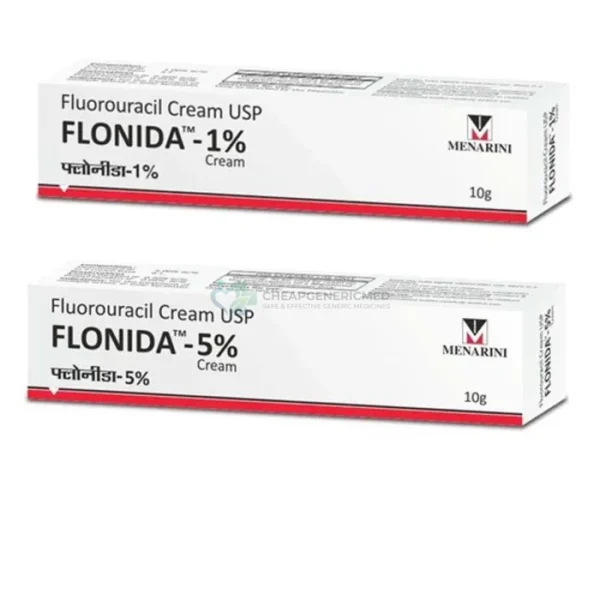
Flonida 5 % (10 gm)


Hisone 5 Mg (Hydrocortisone)
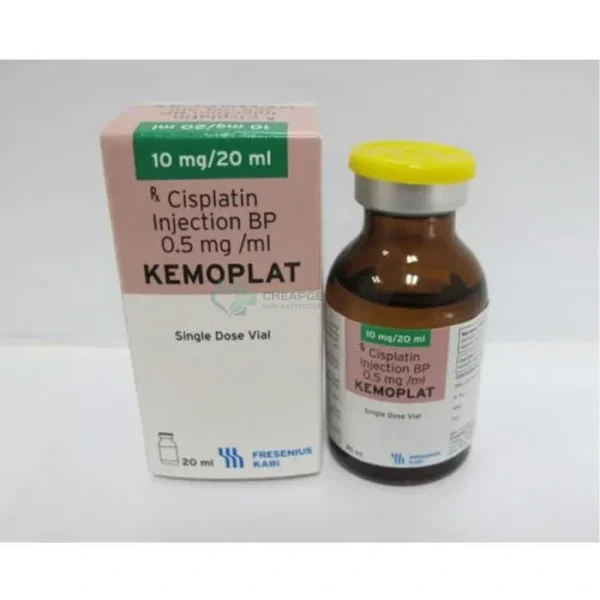

Kemoplat 50 Mg/50 ml (Cisplatin)

Oxitan 100 Mg/25ml (Oxiplatin)


Tamodex 10 Mg (Tamoxifen Citrate)
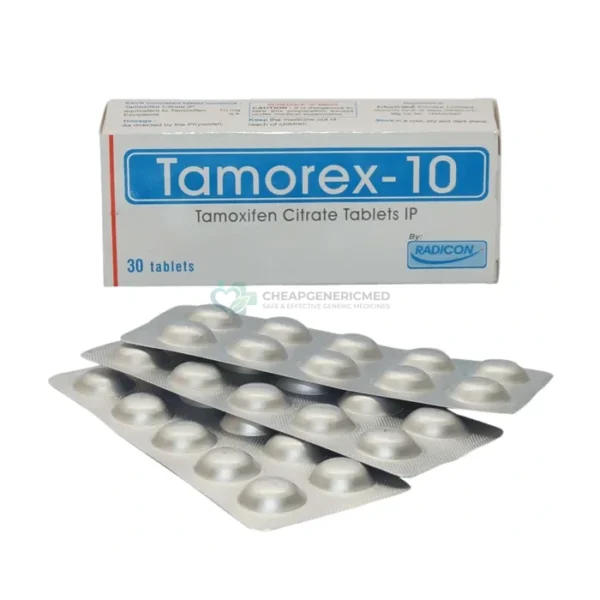
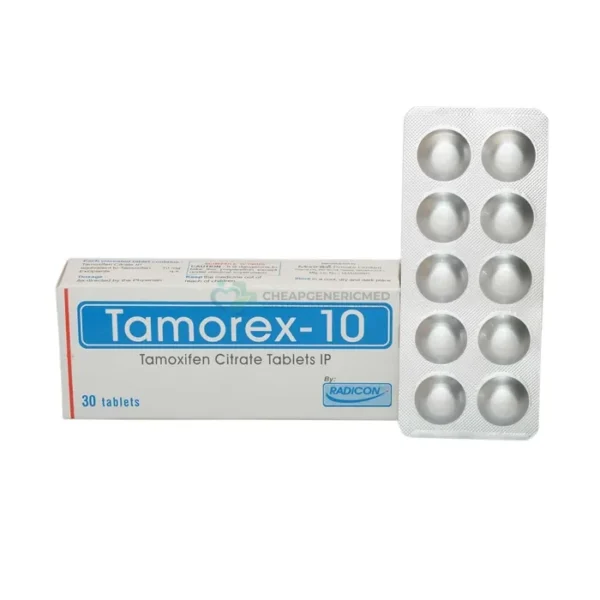
Tamorex 10 Mg (Tamoxifen Citrate)

Temoget 20 Mg (Temozolomide)


Reviews
There are no reviews yet.