
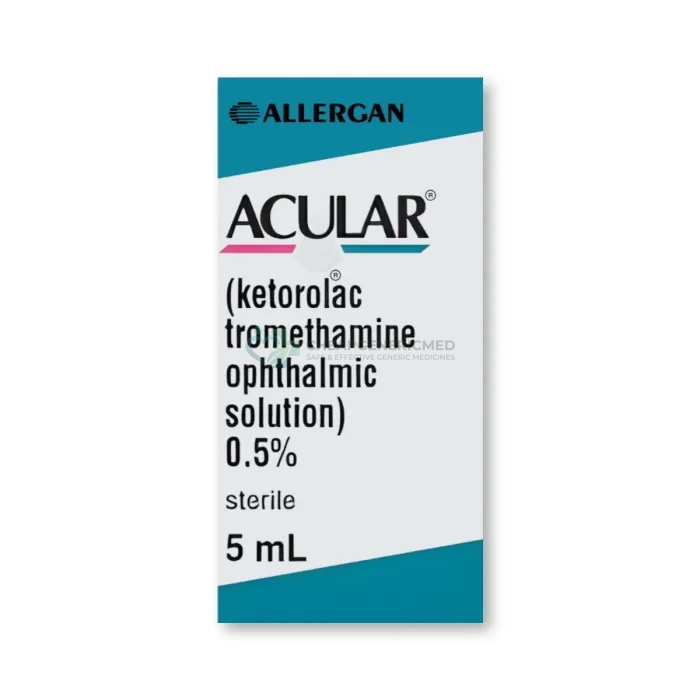
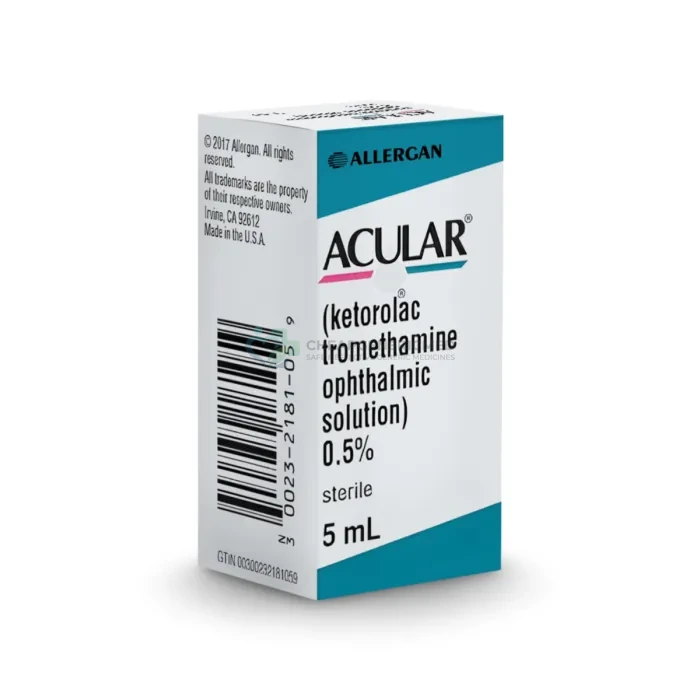

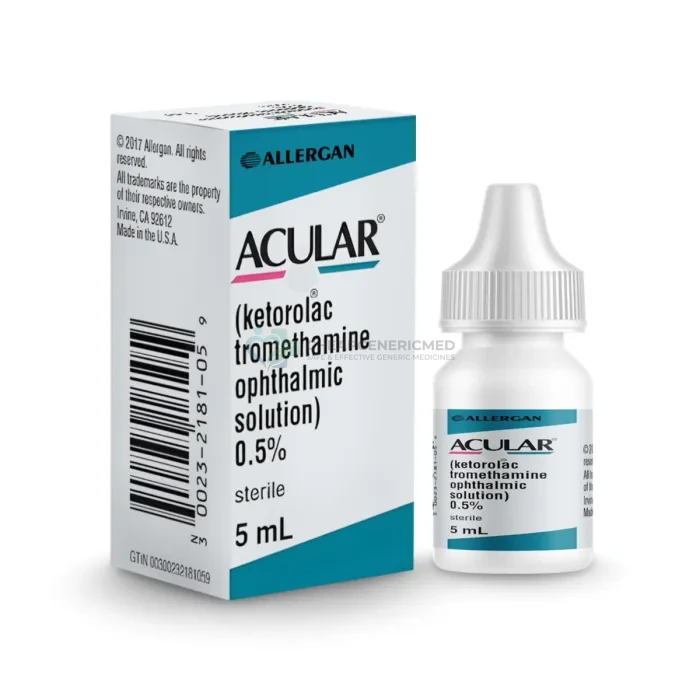


Acular 0.5% 5 ml (Ketorolac)
Price range: $45.60 through $74.40Required
| Pack Size | Price | Unit Price | Quantity | |
|---|---|---|---|---|
| 4 Eye Drop | $45.60 | $11.40 / eye drop | ||
| 8 Eye Drop | $60.40 | $7.55 / eye drop | ||
| 12 Eye Drop | $74.40 | $6.20 / eye drop |
About Acular 0.5% 5 ml (Ketorolac)
Medicine information
- Active ingredient
- Ketorolac tromethamine
- Indication
- Temporary relief of ocular itching due to seasonal allergic conjunctivitis; treatment of inflammation following cataract surgery.
- Manufacturer
- Allergan, Inc.
- Packaging
- 5 mL sterile ophthalmic solution in a 10 mL white opaque LDPE bottle with dropper and cap.
- Strength
- 0.5 %
- Dosage form
- Ophthalmic solution
- Route
- Ophthalmic
Medicine overview
Acular 0.5% is a prescription eye medicine containing ketorolac tromethamine, a nonsteroidal anti-inflammatory drug (NSAID). Each mL contains 5 mg of ketorolac tromethamine. It is used to temporarily relieve itchy eyes caused by seasonal allergic conjunctivitis and to treat inflammation after cataract surgery. The medicine is supplied as a sterile ophthalmic solution for application directly to the eye. It reduces the production of prostaglandins, substances involved in inflammation and allergic eye symptoms.
What it is used for
Acular 0.5% has two approved uses. It provides temporary relief from ocular itching associated with seasonal allergic conjunctivitis, where exposure to allergens causes itchy and irritated eyes. It is also used to control inflammation following cataract extraction. Treatment after cataract surgery is intended to reduce postoperative inflammatory changes in the affected eye.
How it works
Ketorolac tromethamine is an NSAID that inhibits the production of prostaglandins. Prostaglandins are naturally produced substances involved in inflammation and can contribute to changes such as increased blood-vessel permeability within the eye. By reducing prostaglandin production, Acular helps control inflammatory responses after cataract surgery and reduces itching associated with seasonal allergic conjunctivitis.
How it is taken
Acular is applied directly into the affected eye or eyes. For seasonal allergic eye itching, the verified U.S. prescribing information specifies one drop in the affected eye(s) four times daily. For inflammation after cataract surgery, it specifies one drop in the affected eye four times daily, beginning 24 hours after surgery and continuing through the first 2 postoperative weeks. Follow the prescribed directions. Do not touch the dropper tip to the eye or surrounding surfaces. Remove contact lenses before use. When using other topical eye medicines, separate them from Acular by at least 5 minutes.
Important warnings
Do not use Acular if you have had hypersensitivity to ketorolac or another ingredient in the formulation. Cross-sensitivity can occur in people sensitive to aspirin or other NSAIDs, and bronchospasm or worsening asthma has been reported. Topical NSAIDs can slow healing, particularly when used with topical corticosteroids. Ketorolac may increase bleeding of eye tissues and requires caution in people with bleeding tendencies or medicines that prolong bleeding. Serious corneal complications, including keratitis, epithelial breakdown, thinning, ulceration, erosion, and perforation, can occur and may threaten vision. Risk may be higher after complicated or repeated eye surgery and in people with corneal defects, diabetes, dry eye disease, rheumatoid arthritis, or corneal denervation. Avoid touching the bottle tip to the eye or other surfaces because contamination can cause serious infection. Do not administer while wearing contact lenses.
Side effects and monitoring
The most common effects are temporary stinging and burning after the drops are applied; these occurred in up to 40% of clinical-trial participants. Other reported effects include eye irritation or pain, eye swelling or redness, itching, corneal swelling, iritis, superficial keratitis, ocular inflammation, and superficial eye infections. Rare effects include dry eye, blurred vision, headache, corneal infiltrates, and corneal ulcer. Serious postmarketing reactions include corneal erosion, thinning, epithelial breakdown or perforation, bronchospasm, and worsening asthma. Seek prompt medical assessment for significant eye pain, worsening vision, persistent redness or swelling, signs of infection, breathing difficulty, or suspected allergic reaction. Patients with evidence of corneal epithelial breakdown require prompt clinical assessment and close corneal monitoring.
Pregnancy
There are no adequate and well-controlled studies of Acular in pregnant women. Because prostaglandin-inhibiting medicines can affect the fetal cardiovascular system, Acular should be avoided during late pregnancy. Use during pregnancy should be discussed with the prescribing healthcare professional.
Breastfeeding
It is not known whether ketorolac administered topically to the eye is present in human milk. The prescribing information recommends caution when Acular is given to a breastfeeding woman.
Food and drink
No special dietary restrictions are identified for ophthalmic ketorolac; normal diet may be continued unless a healthcare professional advises otherwise.
Storage
Store Acular at 15°C to 25°C (59°F to 77°F) and protect it from light. Keep the bottle properly closed and avoid contaminating the dropper tip.
Frequently asked questions
Why do Acular eye drops sting when I put them in?
Temporary stinging or burning is the most frequently reported side effect of ketorolac eye drops. Contact your healthcare professional if the discomfort is severe, persistent, or accompanied by worsening vision or other concerning eye symptoms.
Can I wear contact lenses while using Acular?
No. Acular should not be administered while contact lenses are being worn. Remove your lenses before applying the medicine and follow your eye-care professional's instructions about when lens wear can resume.
Can I use Acular with other eye drops?
Acular can be used with certain other topical ophthalmic medicines when prescribed. Different eye drops should generally be administered at least 5 minutes apart.
How long is Acular used after cataract surgery?
The U.S. prescribing information specifies use beginning 24 hours after cataract surgery and continuing through the first 2 weeks after surgery. Follow the exact duration prescribed by your eye specialist because prolonged topical NSAID use can increase the risk of corneal complications.
What should I do if my eye becomes more painful or my vision gets worse?
Seek prompt medical advice. Topical ketorolac can rarely cause serious corneal problems, and worsening pain or vision changes should not be ignored.
Can I use Acular if aspirin or ibuprofen has caused an allergic reaction before?
Tell your prescriber before using it. Cross-sensitivity can occur between ketorolac and aspirin or other NSAIDs, and bronchospasm or worsening asthma has been reported in susceptible patients.
Why should the Acular bottle tip not touch my eye?
Contact with the eye, eyelids, or other surfaces can contaminate the dropper. A contaminated ophthalmic solution can cause serious eye infection and potentially damage vision.
Is Acular available without a prescription?
In the United States, Acular 0.5% is classified as a prescription medicine.
Does Cheap Generic Med ship Acular internationally?
Country-specific shipping availability for this exact product is NOT VERIFIED.
Sources
Medical information notice: This information does not replace advice from a qualified healthcare professional. Use prescription medicine only as directed by the prescriber and the approved product information.
| Indication | Used for allergic Conjunctivitis and eye irritation. |
|---|---|
| Packaging | Qty |
| Delivery Time | 6 To 15 days |
Related products

9 PM Eye Drop 2.5 ml (0.005%)
Albucid Eye Drop 20% 10 ml (Sulfacetamide)

Bimat 0.03% w/v

Dorzox Eye Drop 2% (5 ml) Eye Drop (Dorzolamide)


Eyemist E/D 10 ml (Hydroxypropyl Methylcellulose)
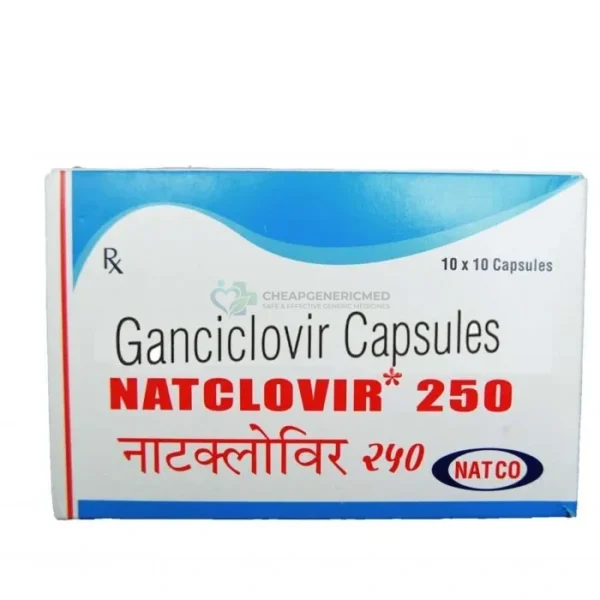
Natclovir 250 Mg (Of Natclovir)
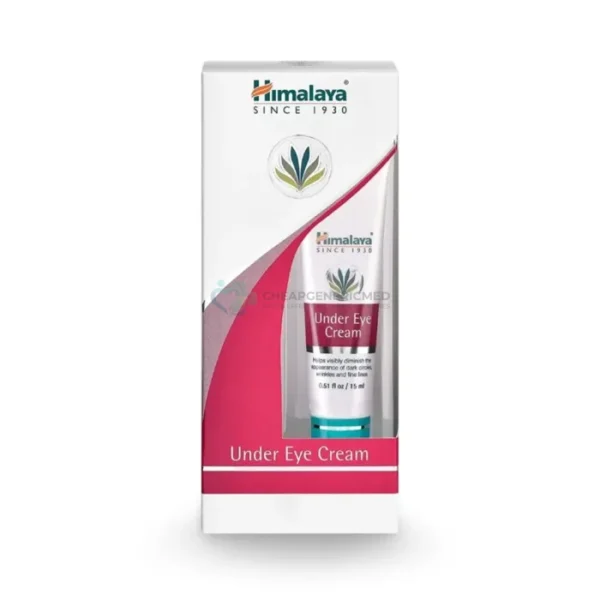
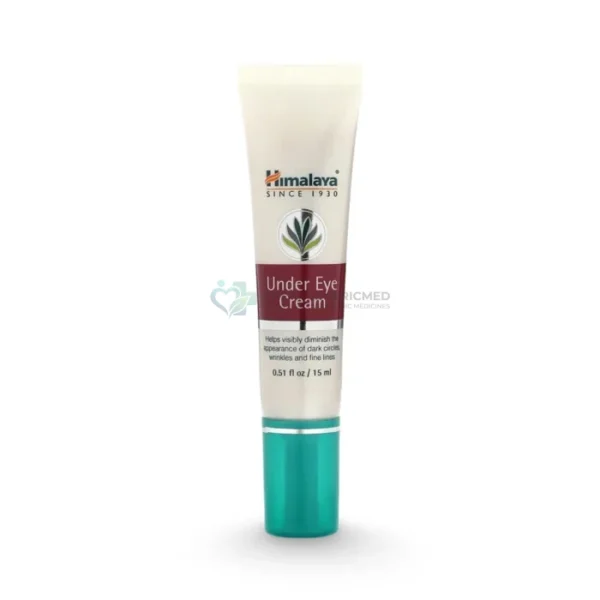
Under Eye Cream 15ml

Reviews
There are no reviews yet.