



Dr. Emily Brown
Dr. Ryan Mitchell
## What is Prolia injection
Prolia is a prescription-only medication used to treat Osteoporosis in postmenopausal women and lower fracture risk. Its active salt is Denosumab (60 mg/mL), a targeted monoclonal antibody and the first FDA-approved Receptor Activator of Nuclear factor Kappa-Β ligand (RANKL) inhibitor.
It is delivered as a sterile, preservative-free solution in a single-dose prefilled syringe containing sorbitol, acetate, polysorbate 20, and water for injection. The injection is manufactured by Amgen Inc. in a GMP-compliant facility.
Denosumab binds to and inhibits RANKL, a protein that stimulates osteoclasts (bone-destroying cells), lowering bone breakdown while boosting bone density. Prolia treats Osteoporosis in postmenopausal women and helps men at high fracture risk, bone loss caused by hormone suppression in Cancer patients, and glucocorticoid-induced bone loss.
The recommended dose is 60 mg administered subcutaneously (under the skin) every 6 months, into the upper arm, thigh, or abdomen, along with calcium 1000 mg and at least 400 IU vitamin D daily.
If a dose is missed, get it administered as soon as possible, then reschedule injections every 6 months from that date. An overdose can lead to severe Hypocalcemia (critically low blood calcium), requiring immediate medical help.
Frequently reported adverse effects include back pain, joint pain, and infections. Get immediate medical assistance if you experience facial swelling and symptoms of Urticaria, such as itchy and red skin.
Denosumab is not recommended in patients with severe Hypocalcemia, known hypersensitivity to Denosumab or its ingredients, and during pregnancy. Caution is also advised in patients with serious dental problems, kidney disorders, or a history of Osteonecrosis (bone tissue death) of the jaw. Keep the medication at 2°C–8°C; do not freeze.
## What are the benefits of taking Prolia injection
Prolia includes Denosumab, a monoclonal antibody that strengthens bones and lowers the incidence of fractures. It works by inhibiting the activity of RANKL, a protein that causes bone disintegration. Prolia promotes bone density and strength by decreasing bone loss over time. It is extensively used to treat Osteoporosis in postmenopausal women and men at high fracture risk.
Other potential benefits of Prolia include:
Enhanced bone mineral density
Lowered risk of spine, hip, and other fractures
Effective in treating bone weakening caused by Cancer treatment
Long-lasting impact, with a dose every six months
Stronger and healthier bones over time
Increased mobility and reduced fracture-related discomfort
## How to take Prolia injection
Prolia should be administered precisely as directed by a certified medical provider. A few general usage instructions are:
The dose should be taken on schedule for the best results.
It is given as a subcutaneous injection by a healthcare provider into the upper arm, thigh, or abdomen.
Do not self-adjust the dose or stop treatment without consulting your doctor, as this could increase the risk of bone loss or fractures.
Prolia is given as a single injection under the skin every 6 months, or as suggested by a doctor.
## Strengths and Substitutes
At the moment, this Osteoporosis treatment injection is available at Cheap Medicine Shop in a single strength only. If you need another dosage, speak with your healthcare provider before switching to another strength to confirm its safety for your specific medical condition.
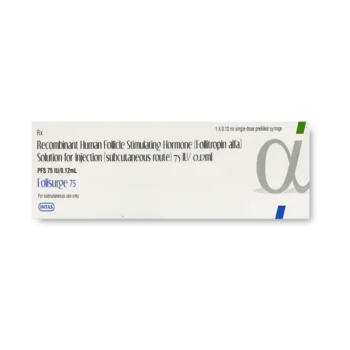
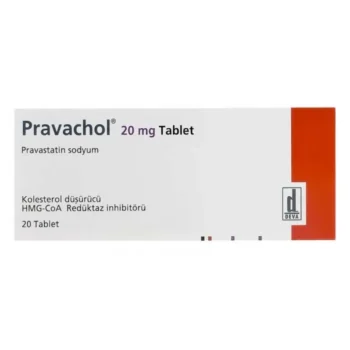
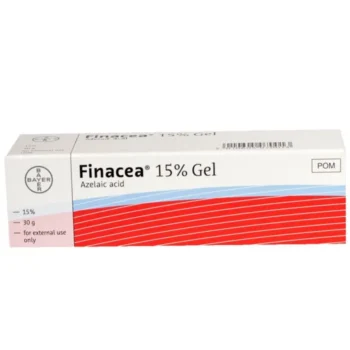
Some available Prolia alternatives are:
View all substitutes
## What are the side effects of Prolia injection
Patients using this bone-strengthening medicine could experience mild side effects such as:
Bone and muscle pain
Tiredness
Headaches
Nausea
Cough
These reactions often improve over time with continued usage, but medical advice is recommended if they continue or intensify.
## Safety Advice
Liver Disease
Since Prolia is not processed by the liver, people with liver issues can take it if prescribed. However, severe liver conditions could have an indirect effect on bone health, necessitating close monitoring and dose changes by a doctor.
Kidney Impairment
Prolia can be used in kidney patients with mild to moderate kidney impairment, but carries a higher risk of severe Hypocalcemia, especially with advanced Chronic Kidney Disease (CKD) or dialysis. Hence, patients with severe kidney issues should consult their doctor before use, as continuous monitoring and calcium and vitamin D supplementation are required.
Pregnant and Breastfeeding women
Prolia is contraindicated in pregnancy due to fetal harm risks, including skeletal abnormalities. It is also not recommended for breastfeeding women due to a lack of sufficient safety information while breastfeeding.
Avoid
Heavy alcohol consumption reduces calcium absorption and increases fracture risk, counteracting Prolia’s bone-strengthening benefits. Hence, avoid it during treatment.
## FAQs
## How does Prolia work?
Prolia works by blocking RANKL, a protein that activates bone-destroying cells called osteoclasts. This action slows bone loss, increases bone strength, and reduces the risk of fractures in people with Osteoporosis and other bone-related conditions.
## Does Prolia have to be given exactly every 6 months?
Prolia is usually given once every 6 months to maintain consistent bone protection. Delaying doses could increase the risk of bone loss and fractures. If a dose is missed, it should be administered as soon as possible under medical guidance.
## Is Prolia safe?
Prolia is generally safe when used under medical supervision for the treatment of Osteoporosis and bone loss. However, some patients could experience mild side effects, including back pain, joint pain, and low calcium levels. Serious risks like jaw problems or unusual fractures are rare but require prompt medical attention.
## What is the rebound effect of stopping Prolia?
Prolia could cause a rebound effect after stopping treatment, leading to rapid bone loss and an increased risk of multiple spinal fractures. Doctors often recommend switching to another Osteoporosis medicine to help maintain bone strength and reduce fracture risk.
## What are patient complaints about Prolia?
Patients using Prolia commonly complain about bone, joint, or muscle pain, fatigue, headaches, skin reactions, and jaw discomfort. Some also report severe weakness or difficulty sleeping, while others experience no major side effects and notice improved bone strength over time.
## How long can you take Prolia?
Prolia can be taken long-term under medical supervision, often for several years, depending on bone health and fracture risk. Doctors regularly monitor bone density and calcium levels, as stopping treatment suddenly may increase the risk of fractures or rapid bone loss.
## How is Prolia administered?
Prolia is given as a subcutaneous injection into the upper arm, thigh, or abdomen by a healthcare provider. The usual dose is 60 mg once every 6 months, along with adequate calcium and vitamin D supplementation during treatment.
| Delivery Time | 6 To 15 days |
|---|









Reviews
There are no reviews yet.