
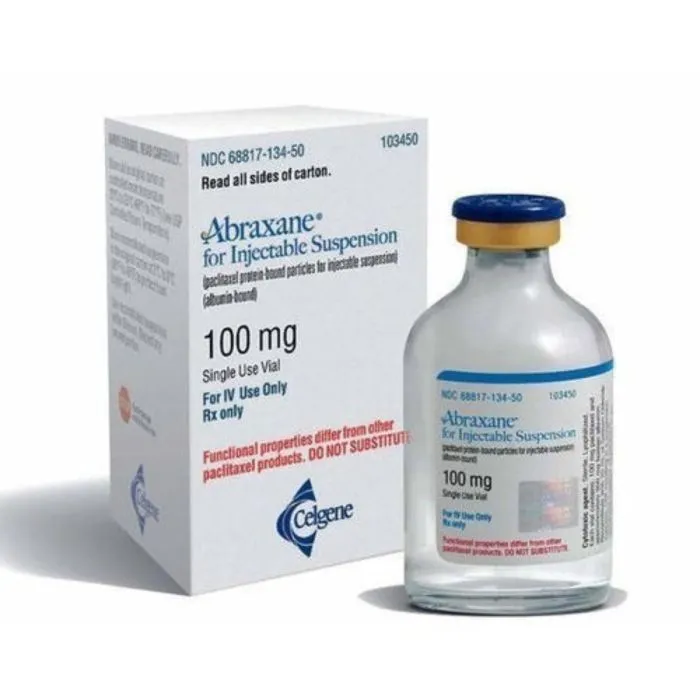
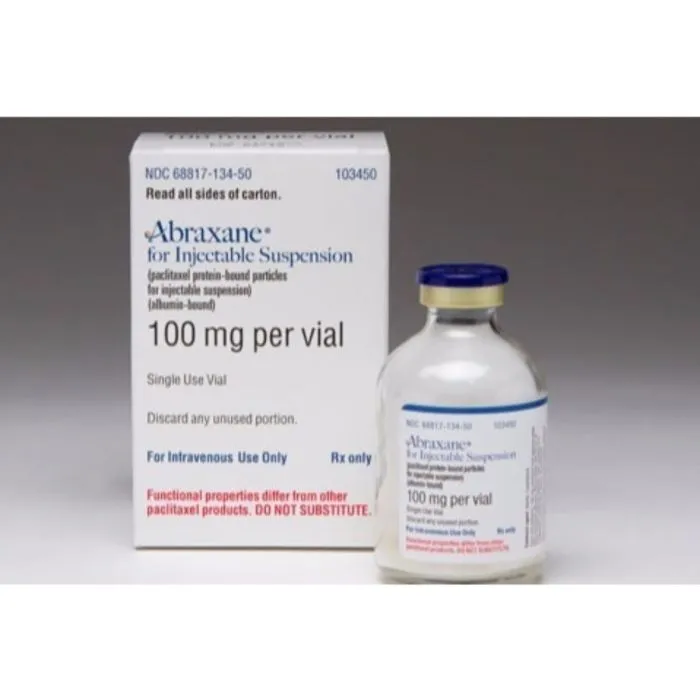
Abraxane 100 Mg Injection (Nanoparticle Albumin-Bound Paclitaxel)
Price range: $680.00 through $1,902.00Required
| Pack Size | Price | Unit Price | Quantity | |
|---|---|---|---|---|
| 2 Injection | $680.00 | $340.00 / injection | ||
| 4 Injection | $1,298.80 | $324.70 / injection | ||
| 6 Injection | $1,902.00 | $317.00 / injection |
About Abraxane 100 Mg Injection (Nanoparticle Albumin-Bound Paclitaxel)
Medicine information
- Indication
- Treatment of metastatic breast cancer after failure of combination chemotherapy for metastatic disease or relapse within 6 months of adjuvant chemotherapy, where prior therapy included an anthracycline unless contraindicated; first-line treatment of locally advanced or metastatic non-small cell lung cancer in combination with carboplatin when curative surgery or radiation is not suitable; and first-line treatment of metastatic adenocarcinoma of the pancreas in combination with gemcitabine.
- Packaging
- One carton containing one 20 mL single-dose vial of sterile lyophilized powder with 100 mg paclitaxel. NDC 68817-134-50.
- Strength
- 100 mg
Medicine overview
Abraxane 100 mg is an anticancer medicine containing paclitaxel bound to human albumin in very small particles. It belongs to the taxane group of microtubule inhibitors and is supplied as a sterile lyophilized powder that must be reconstituted before intravenous infusion. Depending on the cancer being treated, Abraxane may be used alone or with carboplatin or gemcitabine. Its formulation and administration requirements differ from conventional paclitaxel products, so they must not be substituted for one another.
What it is used for
Abraxane is used for selected advanced cancers. It is approved for certain patients with metastatic breast cancer after previous chemotherapy, for locally advanced or metastatic non-small cell lung cancer as first-line treatment with carboplatin, and for metastatic pancreatic adenocarcinoma as first-line treatment with gemcitabine. The exact treatment regimen depends on the cancer type, previous treatment and clinical assessment.
How it works
Paclitaxel is a microtubule inhibitor. Microtubules are structures that cells use when dividing. Paclitaxel binds to these structures and prevents their normal breakdown and reorganization, disrupting cell division and ultimately causing susceptible cancer cells to die. In Abraxane, paclitaxel is formulated as nanoparticles bound to human albumin rather than in the solvent-containing formulation used by some other paclitaxel products.
How it is taken
Abraxane is prepared and administered by a healthcare professional as an intravenous infusion after the powder has been reconstituted. The prescribing information uses infusion times of about 30 minutes for breast and lung cancer regimens and 30–40 minutes for pancreatic cancer regimens. The dose and treatment schedule differ by indication and are calculated clinically, so Abraxane should not be substituted for another paclitaxel formulation. The infusion site should be monitored for leakage or infiltration during administration.
Important warnings
Abraxane can cause severe bone-marrow suppression, especially neutropenia, which can lead to serious or life-threatening infection. It is contraindicated when the baseline neutrophil count is below 1,500 cells/mm³ and in patients with a history of severe hypersensitivity to Abraxane. Severe peripheral neuropathy, sepsis, pneumonitis and sometimes fatal allergic reactions can occur. Cross-hypersensitivity with other taxanes has been reported. Liver impairment can increase paclitaxel exposure and toxicity, and use is not recommended in certain degrees of severe hepatic impairment. Medicines that inhibit or induce CYP2C8 or CYP3A4 may affect paclitaxel exposure. Abraxane contains human albumin and must not be substituted with other paclitaxel formulations. Seek prompt medical attention for fever or infection symptoms, new persistent cough or shortness of breath, severe allergic-reaction symptoms, or significant numbness, tingling, pain or weakness.
Side effects and monitoring
Common effects vary with the cancer and combination regimen but include hair loss, tiredness, nausea, diarrhea or vomiting, decreased appetite, muscle or joint pain, peripheral neuropathy, anemia and reduced white blood cell or platelet counts. Serious effects include severe neutropenia and infection, sepsis, severe neuropathy, pneumonitis, serious hypersensitivity reactions and severe infusion-site injury. Patients should contact their oncology team promptly for fever, infection symptoms, persistent vomiting or diarrhea, dehydration, new breathing problems, allergic-reaction symptoms or worsening numbness, tingling, pain or weakness. Complete blood counts must be checked regularly; liver function and other laboratory tests are also monitored as clinically appropriate.
Pregnancy
Abraxane can cause fetal harm. Pregnancy status should be checked before treatment in females of reproductive potential. Effective contraception is advised during treatment and for at least 6 months after the last dose for females; males with female partners who can become pregnant should use effective contraception and avoid fathering a child during treatment and for at least 3 months after the last dose.
Breastfeeding
Do not breastfeed during treatment with Abraxane or for 2 weeks after the last dose because of the potential for serious adverse reactions in a breastfed child.
Storage
Store unopened vials in the original carton at 20°C to 25°C (68°F to 77°F) and protect them from bright light. Reconstituted suspension should normally be used immediately; when necessary, specified refrigerated storage at 2°C to 8°C is permitted for a limited period. The combined refrigerated storage time in the vial and infusion bag must not exceed 24 hours, after which the prepared infusion bag may remain at approximately 25°C for a maximum of 4 hours. Discard unused product.
Frequently asked questions
Will Abraxane make my hair fall out?
Hair loss is a common side effect of Abraxane, although the amount and timing can vary between patients and treatment regimens.
Can Abraxane cause numbness or tingling in my hands and feet?
Yes. Peripheral sensory neuropathy is a frequent and sometimes severe side effect. Tell the oncology team promptly about new or worsening numbness, tingling, pain or weakness because treatment may need clinical reassessment.
Is Abraxane the same as regular Taxol or other paclitaxel injections?
No. Abraxane contains paclitaxel formulated as albumin-bound nanoparticles and has different preparation, dosing and administration instructions. The prescribing information specifically states that it must not be substituted for other paclitaxel formulations.
Can I receive Abraxane if I previously had an allergic reaction to another taxane?
This requires careful medical assessment. Cross-hypersensitivity between Abraxane and other taxanes has been reported, including severe reactions, so patients with a previous taxane allergy need close monitoring when Abraxane is started.
Does everyone need allergy premedication before Abraxane?
Not routinely according to the prescribing information. Premedication may be considered in patients who have previously experienced a hypersensitivity reaction to Abraxane, while anyone who has had a severe Abraxane hypersensitivity reaction should not be rechallenged.
How long does an Abraxane infusion take?
The labeled infusion time is generally about 30 minutes for breast and lung cancer regimens and 30–40 minutes for the pancreatic cancer regimen. Preparation and other medicines given during the treatment visit can make the overall appointment longer.
Why are blood tests needed during Abraxane treatment?
Abraxane can substantially reduce neutrophils, platelets and other blood cells. Regular complete blood counts help the oncology team identify bone-marrow suppression and decide whether treatment can safely proceed.
Can I breastfeed while receiving Abraxane?
No. Breastfeeding is not advised during treatment or for 2 weeks after the final dose because of the potential for serious harm to a breastfed child.
Sources
Medical information notice: This information does not replace advice from a qualified healthcare professional. Use prescription medicine only as directed by the prescriber and the approved product information.
| Packaging | Qty |
|---|---|
| Delivery Time | 6 To 15 days |
Related products
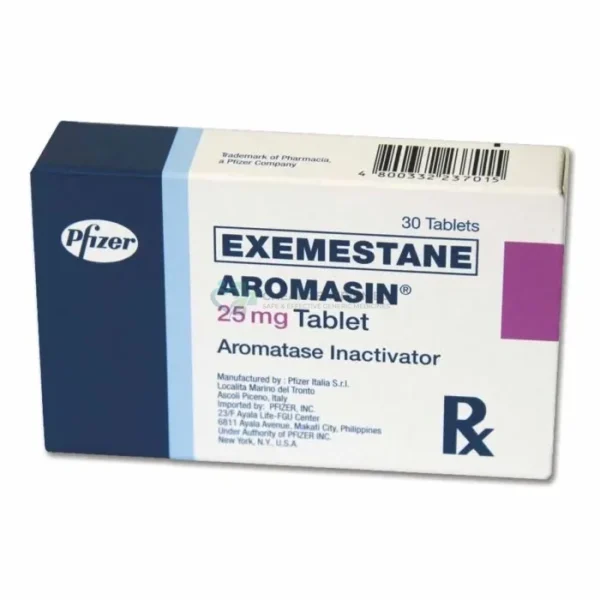
Aromasin 25 Mg (Exemestane)
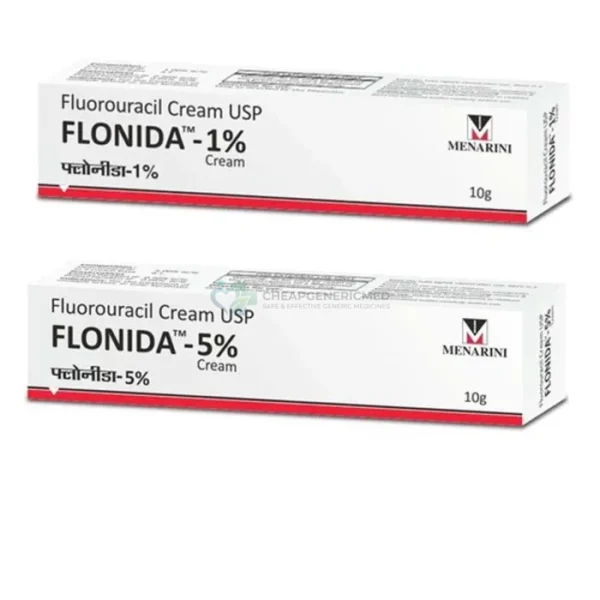
Flonida 5 % (10 gm)
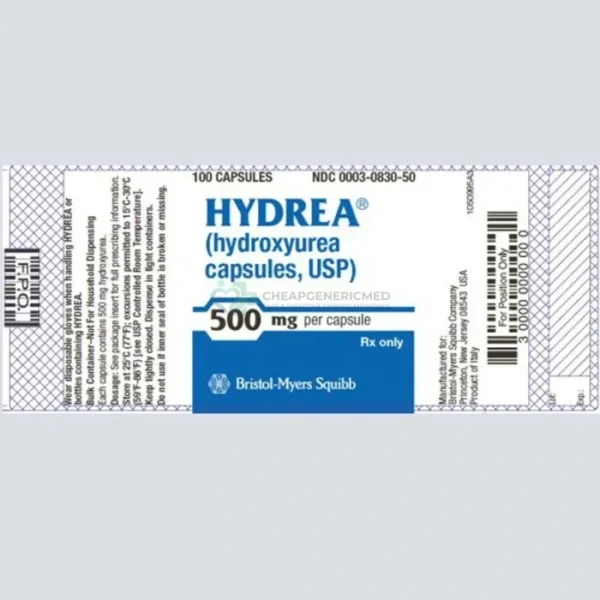
Hydrea 500 Mg (Hydroxyurea)
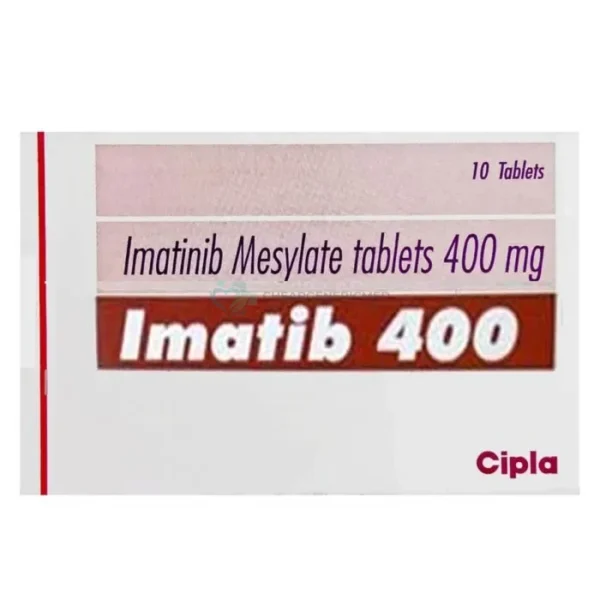

Imatib 400 Mg (Imatinib)

Oxitan 100 Mg/25ml (Oxiplatin)
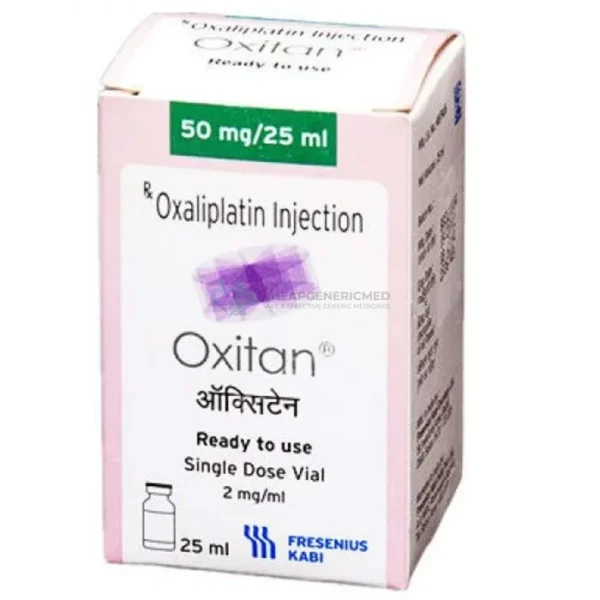
Oxitan 50 Mg/25ml (Oxiplatin)
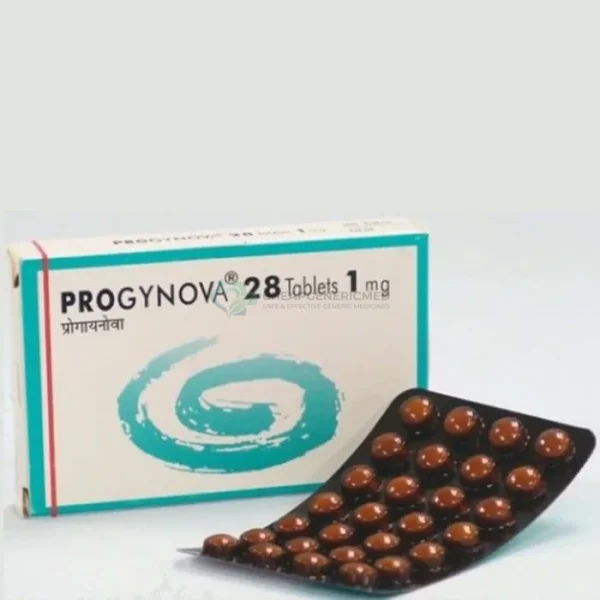
Progynova 1 Mg (Estradiol)


Reviews
There are no reviews yet.