
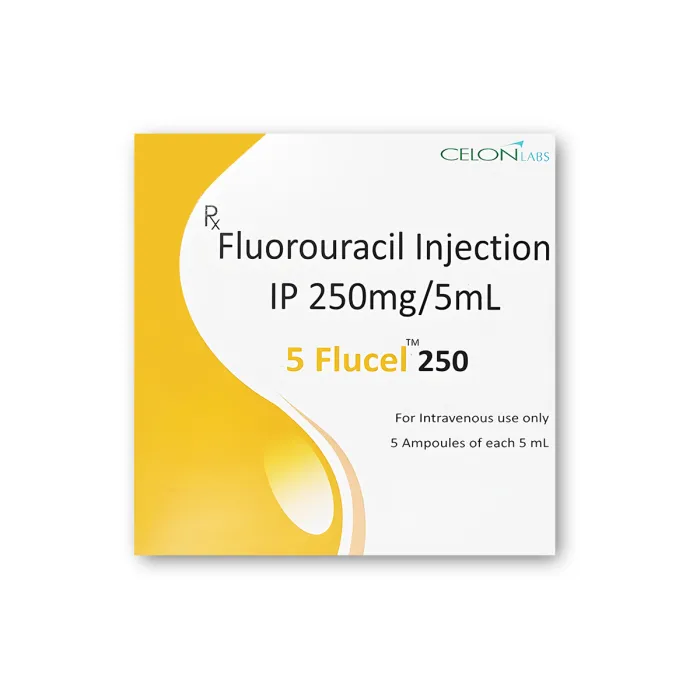
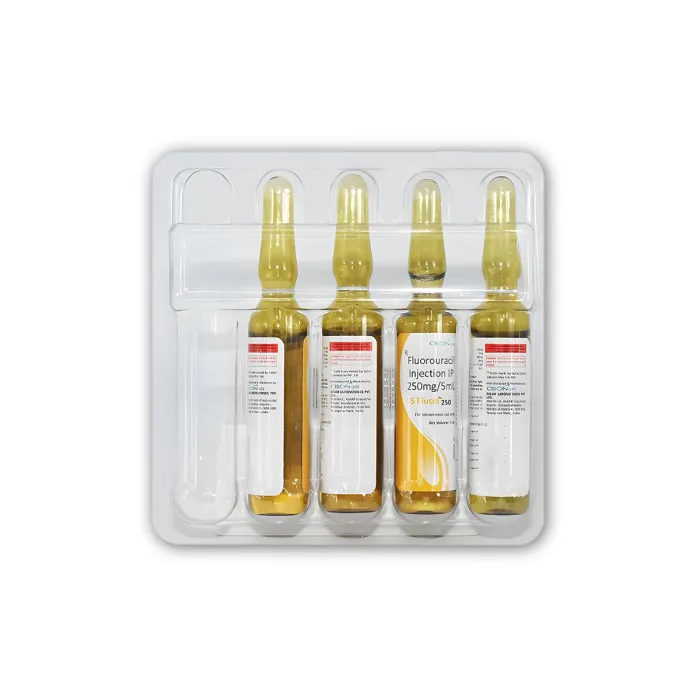
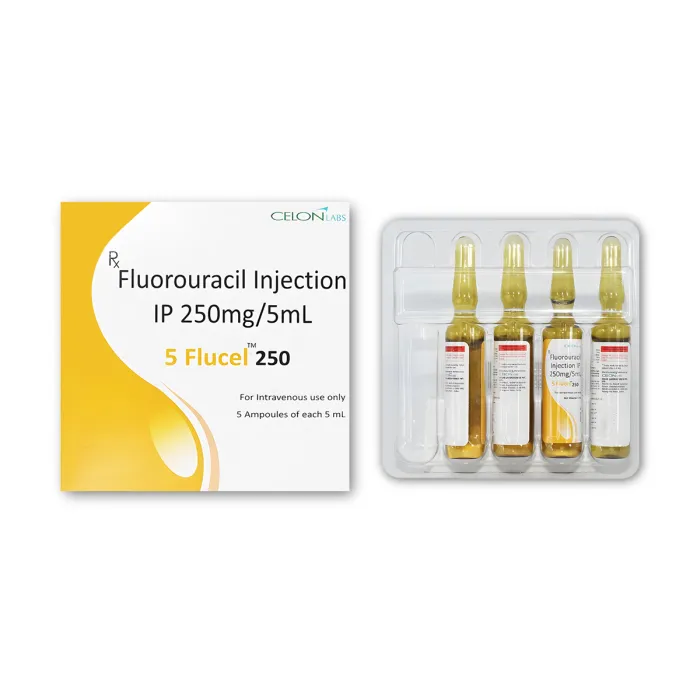
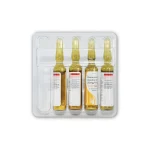
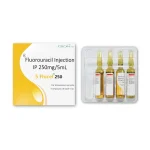
5 Flucel 250 Mg Injection 5 ml (Flucytosine)
Price range: $41.81 through $60.83Required
| Pack Size | Price | Unit Price | Quantity | |
|---|---|---|---|---|
| 30 Injection | $41.81 | $1.39 / injection | ||
| 60 Injection | $52.44 | $0.87 / injection | ||
| 90 Injection | $60.83 | $0.68 / injection |
About 5 Flucel 250 Mg Injection 5 ml (Flucytosine)
Medicine information
- Active ingredient
- Fluorouracil
- Delivery time
- 10-14 business days after dispatch for the United States, United Kingdom, Canada, and Australia; estimates may be extended by customs or local carrier delays.
- Indication
- Treatment of certain cancers. Authoritative fluorouracil labeling supports use in adenocarcinoma of the colon and rectum, breast, stomach, and pancreas. The exact 5 Flucel product is marketed as an antineoplastic fluorouracil injection.
- Manufacturer
- Celon Laboratories Pvt Ltd
- Packaging
- 5 mL vial
- Strength
- 250 mg
- Dosage form
- Injection
- Route
- Intravenous
Medicine overview
5 Flucel 250 mg Injection 5 mL is an intravenous chemotherapy medicine containing 250 mg of fluorouracil, equivalent to 50 mg/mL. It is manufactured by Celon Laboratories Pvt Ltd. Fluorouracil is an antimetabolite, also described as a nucleoside metabolic inhibitor, that interferes with processes cancer cells need to grow and divide. It is used as part of medically supervised treatment for several cancers. Despite the product name supplied in the request, verified product listings identify 5 Flucel as fluorouracil, not flucytosine.
What it is used for
Fluorouracil injection is used in cancer treatment, usually alone or as part of a combination chemotherapy regimen. Authoritative prescribing information includes adenocarcinoma of the colon and rectum, breast, stomach, and pancreas among its indications. The particular cancer, combination of medicines, treatment cycle, and method of administration are determined by the oncology team.
How it works
Fluorouracil is converted inside cells into active substances that interfere with DNA and RNA production. One important action is inhibition of thymidylate synthase, an enzyme needed to make DNA. These effects interfere with cell division and can lead to cancer-cell death. Rapidly dividing healthy cells can also be affected, which explains adverse effects involving the bone marrow, digestive tract, mouth, skin, and other tissues.
How it is taken
5 Flucel is administered intravenously by trained healthcare professionals. Fluorouracil may be given as an intravenous injection or infusion according to the prescribed cancer-treatment regimen. It should not be self-administered. The dose and treatment schedule depend on the cancer and chemotherapy regimen and require specialist supervision. Current fluorouracil labeling recommends evaluation for dihydropyrimidine dehydrogenase (DPD) deficiency before treatment according to the applicable prescribing information.
Important warnings
Fluorouracil can cause severe or fatal toxicity in people with complete DPD deficiency; current labeling recommends testing for genetic variants associated with DPD deficiency before starting treatment unless immediate treatment is necessary. Serious toxicities include severe diarrhea and mucositis, profound myelosuppression, cardiotoxicity such as angina, myocardial ischemia or infarction, arrhythmias and heart failure, neurologic toxicity, and hyperammonemic encephalopathy. Warfarin and other CYP2C9 substrates may require particular attention because fluorouracil can increase anticoagulant effects. Patients should urgently report chest pain, severe or persistent diarrhea, severe mouth sores, fever or infection symptoms, unusual bleeding, or new confusion or other significant neurologic symptoms.
Side effects and monitoring
Common or clinically important effects of fluorouracil include diarrhea, nausea, vomiting, mouth inflammation or sores, reduced appetite, and effects on blood-cell production. Hand-foot syndrome, hair loss, and skin changes can also occur. Serious effects include severe myelosuppression with infection or bleeding, cardiotoxicity, severe gastrointestinal toxicity, encephalopathy and other neurologic toxicity, and unusually severe early toxicity associated with DPD deficiency. Oncology teams generally monitor blood counts and assess patients for gastrointestinal, cardiac, neurologic, and other treatment-related toxicity. Urgent medical assessment is needed for fever, severe diarrhea, severe mouth sores, chest pain, significant bleeding, confusion, loss of coordination, or other rapidly worsening symptoms.
Pregnancy
Fluorouracil can cause fetal harm when administered during pregnancy. Patients who are pregnant or may become pregnant should discuss the risks with their oncology team. Effective contraception is advised for females of reproductive potential during treatment and for the period specified in the applicable prescribing information after the final dose; male patients with female partners of reproductive potential also require contraception for the specified period.
Breastfeeding
Breastfeeding is not recommended during fluorouracil treatment. Authoritative labeling advises discontinuing nursing because of the potential for serious adverse reactions in a breastfed child.
Food, drink and interactions
NOT VERIFIED
Food and drink
No product-specific food interaction could be reliably verified for this intravenous product. Because fluorouracil is administered intravenously rather than swallowed, food does not determine absorption in the way it can with oral medicines. Follow the oncology team's advice about eating and drinking during chemotherapy, particularly if nausea, vomiting, diarrhea, or mouth sores occur.
Storage
Store at controlled room temperature. Authoritative fluorouracil injection labeling specifies 20°C to 25°C (68°F to 77°F), protected from light, retained in the carton until use, and not frozen. Product-specific 5 Flucel listings also indicate storage below 30°C, but the exact Celon package-insert storage wording was not independently located.
DailyMed
+1
Frequently asked questions
Is 5 Flucel 250 mg Injection flucytosine?
No. The exact 5 Flucel 250 mg Injection 5 mL product located during product verification contains fluorouracil 250 mg (50 mg/mL), not flucytosine. Flucytosine and fluorouracil are different medicines and must not be treated as interchangeable.
Why does DPD deficiency matter before fluorouracil treatment?
DPD is an enzyme that helps the body break down fluorouracil. Complete DPD deficiency can cause dangerously high exposure and severe or fatal toxicity, so current labeling recommends testing for relevant genetic variants before treatment unless immediate therapy is necessary.
Can 5 Flucel be injected at home by the patient?
No. Fluorouracil injection is cytotoxic chemotherapy and should be prepared and administered by appropriately trained healthcare professionals according to the prescribed oncology regimen.
What symptoms during fluorouracil treatment need urgent attention?
Severe diarrhea or mouth sores, fever or infection symptoms, unusual bleeding, chest pain, or new confusion and other significant neurologic symptoms require prompt medical assessment. These can indicate serious fluorouracil toxicity.
Can fluorouracil cause heart problems?
Yes. Fluorouracil can cause cardiotoxicity, including angina, myocardial ischemia or infarction, abnormal heart rhythms, and heart failure. New chest pain or significant cardiac symptoms during treatment require urgent medical evaluation.
Does fluorouracil affect blood counts?
Yes. It can suppress bone-marrow function and reduce white blood cells, platelets, and other blood cells. Blood counts are therefore monitored during treatment, and fever, infection symptoms, or unusual bleeding should be reported promptly.
Can fluorouracil be used during pregnancy?
Fluorouracil can harm an unborn baby. Pregnancy prevention and reproductive risks should be discussed with the oncology team before and during treatment.
Can I breastfeed while receiving fluorouracil?
No. Authoritative prescribing information advises against breastfeeding during fluorouracil therapy because of the potential for serious adverse reactions in the child.
Sources
Medical information notice: This information does not replace advice from a qualified healthcare professional. Use prescription medicine only as directed by the prescriber and the approved product information.
| Indication | Stomach Cancer is also treated by targeting and damaging Cancer cells in the stomach. |
|---|---|
| Packaging | Qty |
| Delivery Time | 6 To 15 days |
Related products
Aprecap 125 Mg+80 Mg (Palonosetron/Netupitant)
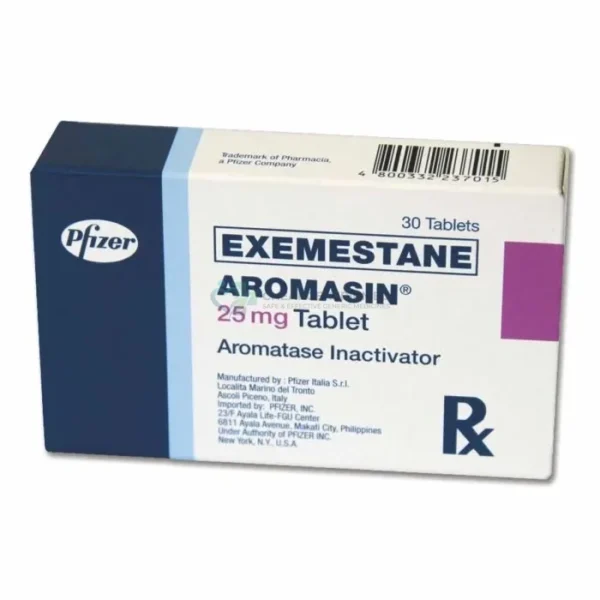
Aromasin 25 Mg (Exemestane)
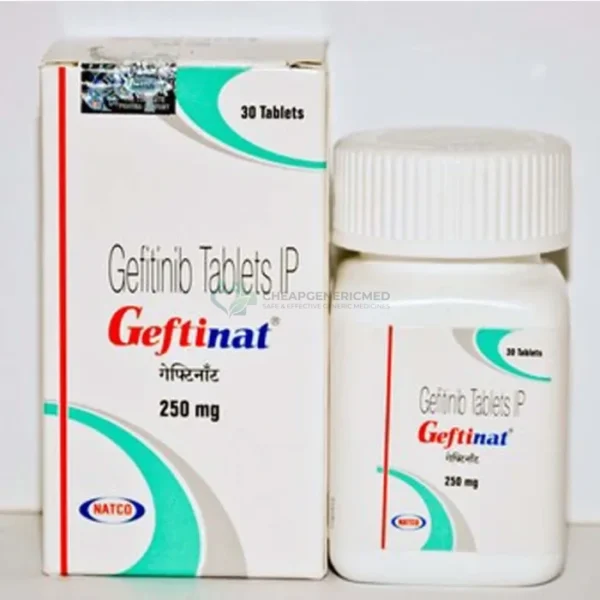
Geftinat 250 Mg (Gefitinib)
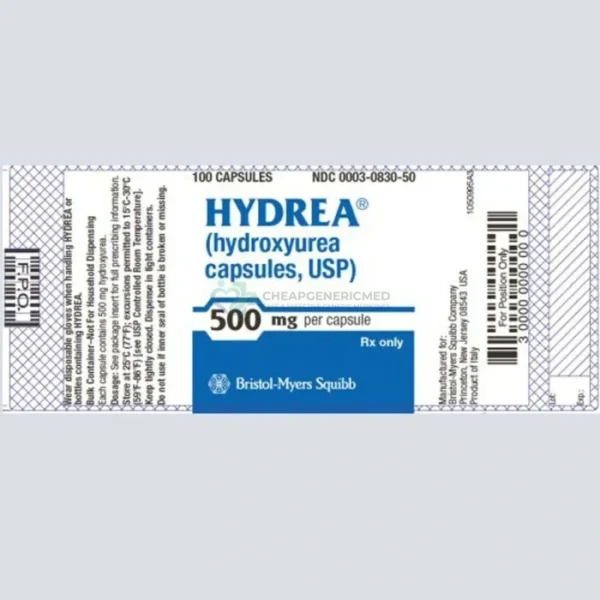
Hydrea 500 Mg (Hydroxyurea)

Lomustine 40 Mg (Lomustine)
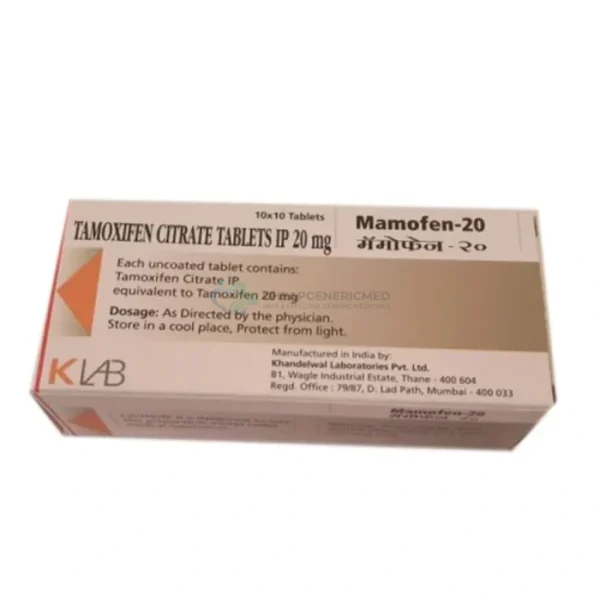
Mamofen 20 Mg (Tamoxifen Citrate)
Oxitan 50 Mg/25ml (Oxiplatin)
Reviews
There are no reviews yet.